


You may have heard of inflammation as the body's natural defence mechanism: the redness around a cut, swelling after an injury or fever during an infection. But what happens when inflammation quietly continues without obvious symptoms? This is where silent inflammation, often used to describe low-grade chronic inflammation, comes into the picture.
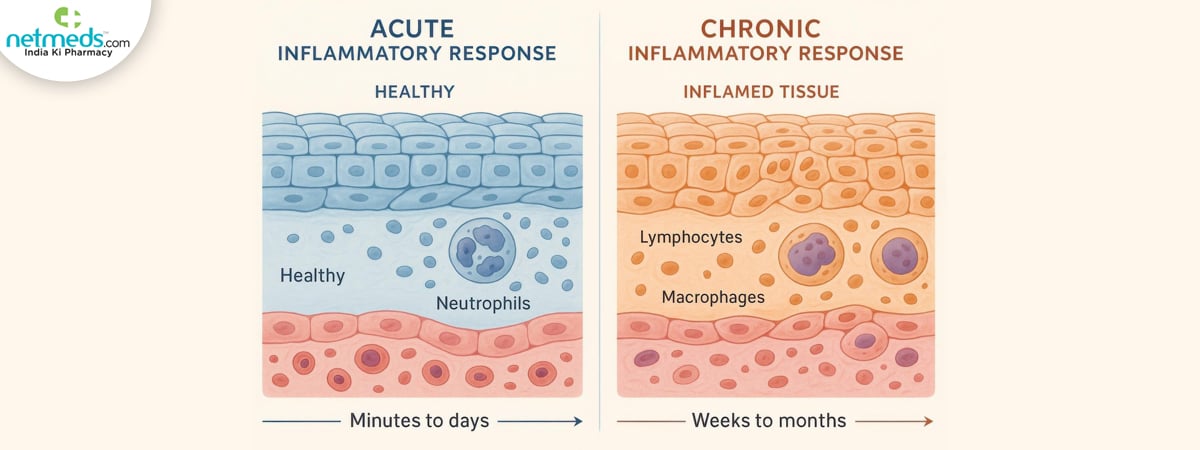
Unlike acute inflammation, which is usually noticeable and short-lived, chronic inflammation can persist for months or years. It may be associated with several long-term health conditions, including cardiovascular disease, diabetes and some metabolic disorders. Recognising potential warning signs and adopting healthy lifestyle habits can help support your overall health.
Also Read: Inflammation: Types, Causes, Symptoms And Treatment
Note: “Silent inflammation” is not a diagnosis by itself. Persistent or unexplained symptoms should be evaluated by a healthcare professional.

What Is Silent Inflammation?
Silent inflammation generally refers to a persistent, low-grade inflammatory state that may not cause obvious swelling, pain or fever.
Inflammation itself isn't necessarily bad. It is an essential part of the immune system's response to injury or infection. The concern arises when inflammatory activity persists after the original trigger has resolved.
Chronic inflammation has been linked with several diseases and conditions, including cardiovascular disease, type 2 diabetes, certain cancers and autoimmune disorders.
What Causes Chronic Inflammation?
There isn't one single cause. Several lifestyle, environmental and medical factors can contribute to prolonged inflammation.
Common contributors include:
Smoking and tobacco exposure
Excess body fat, particularly abdominal fat
Poor dietary patterns
Physical inactivity
Chronic stress
Inadequate or poor-quality sleep
Excessive alcohol consumption
Long-term infections or inflammatory diseases
Exposure to certain environmental pollutants
Some medical conditions can themselves involve chronic inflammation, so lifestyle changes should complement, not replace, appropriate medical care.
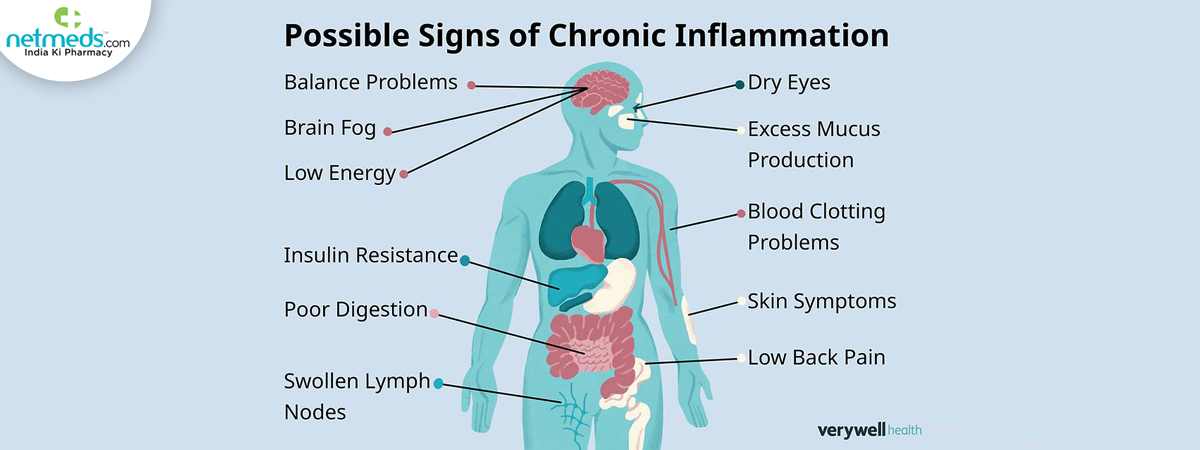
10 Early Warning Signs of Silent Inflammation
Because chronic low-grade inflammation can be subtle, there isn't a definitive list of symptoms that proves someone has it. However, certain persistent symptoms can signal that something may need attention.
Persistent Fatigue
Feeling unusually tired despite adequate rest can have numerous causes. Chronic inflammatory activity may be one possible contributor, but fatigue can also result from anaemia, thyroid problems, sleep disorders, infections, stress and other conditions.
If tiredness persists or interferes with daily activities, consult a doctor rather than assuming inflammation is responsible.
Unexplained Joint or Muscle Discomfort
Ongoing aches, stiffness or joint discomfort can occur with inflammatory conditions. However, injuries, overuse, arthritis and other health problems can produce similar symptoms.
Persistent pain, swelling or morning stiffness deserves medical evaluation.
Digestive Problems
Recurring bloating, abdominal discomfort, diarrhoea or constipation may indicate digestive issues. Some gastrointestinal diseases involve inflammation, but everyday digestive symptoms aren't automatically signs of chronic inflammation.
Skin Changes
Recurring redness, rashes or flare-ups may occur with inflammatory skin conditions such as eczema or psoriasis. Acne and other skin concerns can also involve inflammatory processes.
Sudden or persistent skin changes should be assessed according to their appearance and severity.
Poor Sleep
Sleep and inflammation have a two-way relationship. Poor sleep can influence immune and inflammatory processes, while certain inflammatory or health conditions can interfere with sleep.
Aim for consistent, sufficient sleep rather than relying on supplements marketed as “anti-inflammatory.”
Frequent Digestive Discomfort
Repeated digestive symptoms, especially when accompanied by weight loss, blood in the stool, persistent pain or changes in bowel habits, should not be dismissed as “gut inflammation.” These symptoms warrant medical attention.
Difficulty Managing Weight
Excess adipose tissue, particularly visceral fat, is metabolically active and can contribute to inflammatory signalling. However, weight changes can have many causes, including diet, medications, hormonal conditions and genetics.
Brain Fog or Difficulty Concentrating
Occasional difficulty concentrating is common. Persistent cognitive changes, however, can have many potential causes, including poor sleep, stress, nutritional deficiencies and medical conditions.
Don't automatically attribute “brain fog” to inflammation without evaluation.
Frequent Headaches or General Malaise
Recurring headaches or a general feeling of being unwell are non-specific symptoms. They may accompany infections or other inflammatory conditions but are not reliable markers of silent inflammation on their own.
Frequent Health Flare-Ups
Repeated episodes of unexplained symptoms may warrant a broader health assessment. Keeping track of when symptoms occur, possible triggers, sleep, diet and medications can help your healthcare provider identify patterns.
How Is Chronic Inflammation Detected?
There is no single test that can diagnose “silent inflammation.”
Doctors may consider your symptoms, medical history and risk factors and, when appropriate, order blood tests such as C-reactive protein (CRP) or other inflammatory markers.
CRP can indicate inflammation somewhere in the body, but an elevated result doesn't identify the exact cause. Conversely, a normal result doesn't necessarily rule out every inflammatory condition.
Therefore, don't self-diagnose based on an inflammation blood test alone.
10 Prevention Tips To Reduce Chronic Inflammation Risk
While not every cause of chronic inflammation is preventable, several lifestyle habits can support healthier inflammatory balance.
Eat More Whole Foods
Build meals around vegetables, fruits, whole grains, pulses, nuts, seeds and other minimally processed foods.
A Mediterranean-style dietary pattern is associated with healthier inflammatory profiles and cardiovascular benefits.
Choose Healthy Fats
Include sources of unsaturated fats such as nuts, seeds, olive oil and fatty fish. Omega-3 fatty acids, particularly EPA and DHA, play important roles in immune and inflammatory processes.
Limit Ultra-Processed Foods
Reduce excessive intake of foods high in added sugars, refined carbohydrates, unhealthy fats and sodium. You don't need to eliminate favourite foods completely, focus on overall dietary quality.
Exercise Regularly
Regular physical activity supports cardiovascular and metabolic health and may help regulate inflammatory processes.
Adults should generally aim for 150–300 minutes of moderate-intensity aerobic activity per week, along with muscle-strengthening activities on at least two days, according to WHO recommendations.
Walking, cycling, swimming, yoga and strength training can all contribute.
Maintain a Healthy Weight
If you have overweight or obesity, gradual, sustainable weight loss can improve several metabolic health markers. Avoid crash diets and extreme fasting plans.
Prioritise Quality Sleep
Most adults need at least seven hours of sleep per night. Maintain consistent sleeping and waking times, limit late-night screen exposure and create a comfortable sleep environment.
Manage Stress
Chronic psychological stress can affect immune and inflammatory pathways. Try practical strategies such as meditation, deep breathing, yoga, hobbies, time outdoors or talking to someone you trust.
Don't Smoke
Smoking contributes to systemic inflammation and increases the risk of cardiovascular disease, respiratory illnesses and cancer. Quitting is one of the most valuable steps you can take for your health.
Limit Alcohol
If you drink alcohol, moderation matters. Avoid using alcohol as a stress-management strategy and speak with a healthcare professional if you're concerned about your consumption.
Stay On Top of Preventive Healthcare
Regular health check-ups can help identify conditions such as high blood pressure, abnormal blood sugar or cholesterol levels before complications develop.

Foods That May Support an Anti-Inflammatory Diet
Rather than searching for one “miracle anti-inflammatory food,” focus on dietary patterns.
Consider including:
Berries: Rich in polyphenols and other plant compounds.
Leafy greens: Provide folate, fibre, vitamins and antioxidants.
Fatty fish: Sources of EPA and DHA omega-3 fatty acids.
Nuts and seeds: Provide healthy fats, fibre and minerals.
Turmeric: Contains curcumin, a bioactive compound studied for its anti-inflammatory properties.
Ginger: Contains bioactive compounds with potential anti-inflammatory effects.
Whole grains: Provide fibre and beneficial plant compounds.
Legumes: Supply plant protein and fibre.
Remember, eating these foods doesn't “switch off” inflammation overnight. Their value comes from being part of a balanced long-term diet.
When Should You See a Doctor?
Don't ignore symptoms simply because they seem mild.
Seek medical advice if you experience persistent unexplained fatigue, ongoing pain or swelling, unexplained weight loss or gain, prolonged digestive problems, recurring fever, blood in stools, significant skin changes or other symptoms that don't improve.
Urgent medical attention is needed for severe symptoms such as chest pain, difficulty breathing, sudden weakness or severe abdominal pain.
Conclusion
Silent inflammation isn't a standalone disease, and its symptoms can overlap with many other health conditions. Instead of trying to diagnose inflammation based on vague symptoms or relying on “detox” products, focus on evidence-based habits: eat a balanced diet, exercise regularly, sleep well, manage stress, avoid smoking, limit alcohol and maintain a healthy weight.
Most importantly, persistent symptoms deserve professional evaluation. Your body doesn't need a trendy “anti-inflammatory cleanse”, it needs consistent, sustainable care.
References:
Chronic Inflammation and Disease Risk – Review
Useful for explaining chronic inflammation and its relationship with long-term conditions such as cardiovascular disease, diabetes and other chronic diseases.
PubMed – Chronic Inflammation and Disease
Obesity and Chronic Low-Grade Inflammation
Supports your section on excess body fat, particularly adipose tissue inflammation and its relationship with metabolic disorders.
PubMed – Obesity, Chronic Inflammation and Its Markers
Adipose Tissue Inflammation and Metabolic Dysfunction
Explains how inflammation in adipose tissue is associated with obesity, insulin resistance and metabolic disease.
PubMed – Adipose Tissue Inflammation and Metabolic Dysfunction
Anti-Inflammatory Diets – Systematic Review
Supports your recommendations around dietary patterns and their potential effects on inflammatory markers.
PubMed – Anti-Inflammatory Diets and Inflammation Markers
Mediterranean Diet and Inflammation – 2026 Meta-Analysis
A particularly useful recent source for your Mediterranean-diet section. The 2026 meta-analysis included 33 RCTs and found reductions in some inflammatory biomarkers, including hs-CRP and IL-6.
PubMed – Mediterranean Diet Reduces Inflammation in Adults
Dietary Patterns and Inflammatory Biomarkers – Systematic Review
Reviews evidence for Mediterranean, vegetarian and other dietary patterns and their relationship with inflammatory markers.
PubMed – Dietary Patterns Associated With Anti-Inflammatory Effects
Physical Activity – WHO Guidelines
Supports your recommendation of 150–300 minutes of moderate-intensity aerobic activity per week, along with muscle-strengthening activities.
WHO – Physical Activity Recommendations
Sleep Disturbance and Inflammation – Systematic Review & Meta-Analysis
Supports your discussion of the two-way relationship between poor sleep and inflammatory processes. The analysis included 72 studies involving more than 50,000 participants.
PubMed – Sleep Disturbance, Sleep Duration and Inflammation
Psychological Stress and Inflammatory Markers – Meta-Analysis
Useful for the section explaining how psychological stress can influence inflammatory pathways and inflammatory markers.
PubMed – Psychological Stress and Inflammatory Markers
C-Reactive Protein (CRP) – MedlinePlus
Directly supports your section on CRP. It explains that CRP is a general marker of inflammation and that an elevated result does not identify the specific cause or location of inflammation.
 Previous