


Monsoon brings the much-needed relief from the intense summer heat, but it also increases the risk of gut issues, seasonal infections, low immunity, and slows down metabolism. The humid conditions create a favourable environment for the growth of pathogens, making informed food choices especially important during this season.
As per the holistic system of Ayurveda, the digestive fire or Agni becomes weaker during the rainy season, making it difficult for the system to digest heavy, oily, spicy and fried foods. This is where Satvik foods play a key role. Fresh, light, nutritious, and naturally nourishing, Satvik foods are easy on the tummy and help maintain balance in the body and mind.
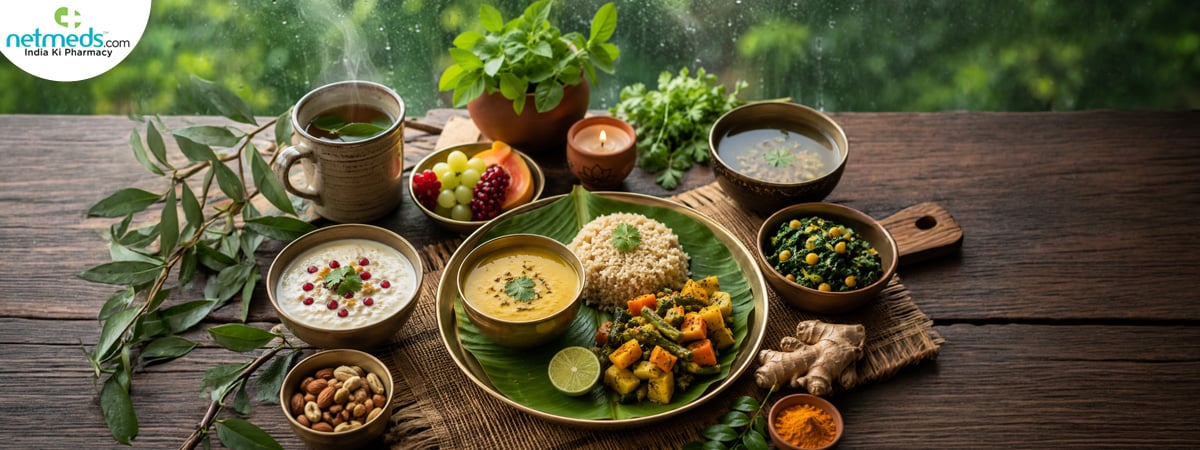
If you wish to stay energetic, bolster immunity, and keep digestive problems at bay during the monsoon season, including Satvik foods in your daily diet regimen is a smart and healthy choice.
What Are Satvik Foods?
Satvik foods are natural, whole, fresh, minimally processed foods and rich in life-nourishing nutrients. Rooted in Ayurvedic principles, these foods are well-known to promote physical health, mental well-being, emotional balance, and overall vitality.
Satvik foods are generally:
Freshly prepared
Seasonally and locally sourced foods
Mildly spiced and flavoured
Easy to digest
Heaped with vitamins, minerals, fibre, and antioxidants
Unlike highly processed or deep-fried foods, Satvik meals nourish the body without overburdening digestion.
Why Eat Satvik Foods During the Rainy Season?
The monsoon season weakens the digestive system and impedes normal digestion, which increases the likelihood of stomach infections. Adding Satvik foods helps by:
Supporting healthy and smooth digestion
Strengthening natural immunity
Preventing bloating and acidity
Providing a sustained source of fuel
Reducing inflammation
Keeping the body hydrated
Promoting mental well-being and better sleep
Best Satvik Foods for the Rainy Season
Moong Dal
Moong dal is one of the easiest legumes to digest even with weak gut health and is highly recommended during the rainy season. The immense benefits of adding moong dal are gentle on the stomach, a good source of plant protein and dietary fibre, promotes healthy digestion and muscle mass and offers a steady source of fuel.
Uses
Make wholesome khichdi
Dal curry or dal soup
Steamed moong pancakes (chilla)
Bottle Gourd (Lauki)
Bottle gourd is a highly nutritious, hydrating, cooling, and low-calorie vegetable perfect for the monsoon season. It supports hydration, is easy to digest, prevents digestive problems, and optimises heart health owing to its potassium content.
Uses
Lauki curry
Soup
Bottle gourd dosa
Steamed sabzi
Pumpkin
Pumpkin is an impressive source of beta-carotene, vitamin A, and antioxidants. It boosts the immune response, improves vision, and promotes digestion.
Uses
Nourishing Pumpkin soup
Stir-fried pumpkin
Pumpkin paratha
Pumpkin dal and curry
Barnyard Millet
Barnyard Millet, also known as samak rice, is a highly recommended grain during the rainy season. Its light grainy texture and richness of nutrients promote digestive function, boost immunity and offer a sustained source of energy.
Uses
Barnyard millet kichadi
Millet dosa
Turmeric
Turmeric is a powerful medicinal spice used commonly in the kitchen cabinet. It contains a vast profile of curcumin, a potent antioxidant and anti-inflammatory compound, which offers protection against oxidative stress and inflammation. Adding this medicinal herb to the meal plan supports boosting immune function, promotes faster wound healing, and mitigates inflammation.
Uses
Golden milk
Added liberally in vegetable curries
Herbal drinks
Seasonal Fruits
Choose fresh seasonal fruits that are properly washed and consumed soon after cutting. Fruits are loaded with vitamins A, C, E and high in antioxidants. They strengthen the immune system and promote hydration.
Uses
Mid-morning snack
Fruit bowl
Smoothies (without sugar)
Tulsi (Holy Basil)
Tulsi is a highly valued and most beneficial herb in Ayurveda's system of medicine. It exhibits potent medicinal and therapeutic traits that support respiratory health, strengthen the immune system, and keep seasonal infections at bay.
Uses
Herbal tea
Warm infused water
Kadha
Also Read: Monsoon Wellness: 5 Herbal Teas To Soothe Cough And Cold Naturally- Infographic
Foods to Avoid During the Monsoon
To support digestion and reduce the risk of foodborne illness, limit:
Deep-fried snacks
Street food
Stale or leftover meals
Highly spicy foods
Sugary beverages
Carbonated drinks
Raw leafy vegetables that are not thoroughly cleaned
Excess sweets and processed foods
Monsoon Lifestyle Tips
Along with including Satvik foods into a regular diet plan, it is important to adhere to these guidelines.
Drink warm or boiled water
Eat freshly cooked meals
Thoroughly wash fruits and vegetables
Practice good hand hygiene before meals
Add mild spices like cumin, coriander, ginger, and turmeric
Avoid overeating, especially at night
Stay physically active with yoga, stretching, or walking indoors when needed
Conclusion
The rainy season is the perfect time to embrace the minimalism and nourishment of Satvik eating. Fresh vegetables, wholesome grains, lentils, herbs, fruits, and naturally prepared meals help support digestion, strengthen immunity, and protect against common seasonal illnesses. Combined with healthy lifestyle habits and mindful eating, a Satvik diet can help you enjoy the monsoon while keeping your body light, energised, and resilient.
References:
https://www.researchgate.net/publication/349482813_SATVIK_FOOD_-ITS_INFLUENCE_AND_IMPORTANCE
https://pmc.ncbi.nlm.nih.gov/articles/PMC11992243/
A comprehensive review on the implications of Yogic/Sattvic diet in reducing inflammation in type 2 diabetes
Anupama Vallazhath 1,#, Pooja Yedehalli Thimmappa 1,#, Harshit B Joshi 2, Krishna Raghava Hebbar 2, Anupama Nayak 2, Shashikiran Umakanth 3, Apar Avinash Saoji 4, Nandi Krishnamurthy Manjunath 4, Basavaraj S Hadapad 2, Manjunath B Joshi
 Previous