When the intense heat has been draining your energy all day through the summer season, the arrival of monsoon brings the much-needed relief from the sweltering sun. However, the monsoon season also brings a few challenges for your health. Seasonal infections, fever, flu, foodborne infections, colds, coughs, and low energy are all common symptoms during the rainy season.
The human body is not just managing climate change. It is also dealing with a shift in digestive function, poor immunity and higher exposure to pathogens. That’s when diet becomes a key player in optimising your health. By making a few informed decisions and smart dietary swaps, you can maintain your digestive function, keep it running smoothly and uplift your energy levels.
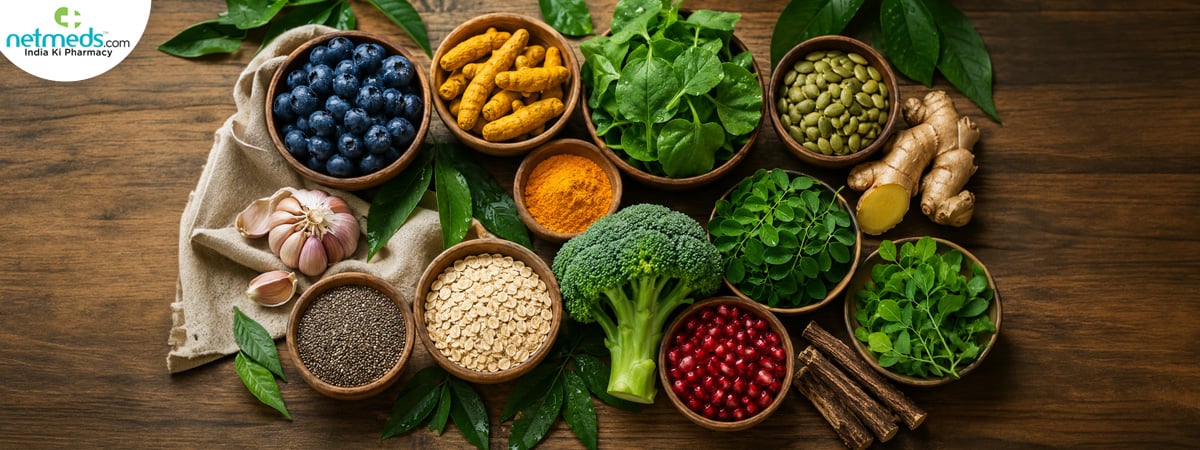
Having a wholesome diet rich in seasonal, nutrient-dense foods can bolster the immune system, promote smooth digestion, and augment overall wellness. Adding monsoon superfoods to your regular meals delivers vitamins, minerals, antioxidants, and bioactive compounds that may help the body fight infections naturally.
Here we have curated 8 top monsoon superfoods to include in your diet this rainy season.
9 Amazing Monsoon Superfoods
Turmeric
Turmeric is one of the most valued Ayurvedic spices, known for its remarkable medicinal and therapeutic properties. It has long been revered as a natural immunity booster owing to its powerful bioactive compound curcumin. Turmeric exhibits powerful anti-inflammatory, antioxidant, and antimicrobial effects that help strengthen immunity. Incorporating turmeric into daily cooking can actively trigger your immune cells in combating harmful pathogens. To reap its maximum benefits, always pair it with a pinch of black pepper.
Ways To Add
Add to curries, vegetable stir-fries and dals
Drink turmeric milk before bedtime
Mix into soups and herbal teas
Ginger
Ginger is a warming spice and a staple ingredient in every Indian kitchen, which helps the body adapt to cool, damp weather. It contains gingerol, a bioactive compound known for its anti-inflammatory and antioxidant traits that mitigates internal inflammation. Brewing ginger tea or adding it to your regular cooking triggers digestion, soothes an upset tummy, relieves a sore throat, helps clear congestion and strengthens the immune system.
Also Read: Ginger: 5 Astonishing Healing Power of This Wonder Spice-Infographic
Ways To Add
Vegetable soups
Stir-fries
Herbal decoctions
Garlic
Garlic is highly valued as nature’s antibacterial booster. Crushing raw garlic releases allicin, a potent sulfur compound that actively targets harmful bacteria and viruses in the system. Incorporating garlic into a regular meal plan can remarkably boost the activity of white blood cells to combat diseases. Additionally, the allicin compound also possesses strong antiviral and antifungal traits that offer protection against waterborne illnesses that spike during the rainy season.
Ways To Add
Add fresh garlic to curries
Soups
Chutneys
Stir-fried vegetables
Amla (Indian Gooseberry)
Amla or the Indian gooseberry is one of the impressive sources of vitamin C, which contains more of this vitamin than an orange. During the rainy season, when the immune system is weak and intake is deficient, adding amla can help immensely. Vitamin C supports the production of white blood cells, the body’s first line of defence against infection. Additionally, it also contains powerful antioxidants that help combat oxidative stress and improve immune function.
Ways To Add
Fresh amla shots
Fresh amla bites
Chutney
Blended in detox drinks
Pomegranate
Pomegranates are endowed with a high concentration of vitamin C and potent antioxidants like punicalagins and polyphenols that help protect cells from oxidative damage. The natural immune-boosting quality of pomegranates helps mitigate inflammation, combat harmful pathogens and promote faster recovery.
Ways To Add
How to include it
Fresh fruit as a standalone
Salads
Smoothies
Yogurt bowls
Mushrooms
Edible mushrooms are rich in selenium, vitamin D (when exposed to sunlight), B vitamins, and beta-glucans that support immune function, promote gut health and boost energy levels during monsoon season.
Ways To Add
Soups
Stir-fries
Whole wheat wraps
Vegetable curries
Yoghurt (Curd)
Fresh homemade yoghurt contains beneficial probiotics that support gut microbiota. Since nearly 70% of the immune system is associated with the gut, maintaining digestive health is essential. The goodness of beneficial gut bacteria boosts immunity improves nutrient absorption, and optimises overall health.
Ways To Add
Plain curd
Buttermilk or masala chaas
Raita
Yoghurt-based dips
Millets
There are a wide variety of millets, including ragi, foxtail millet, little millet, and jowar, that are nutrient-rich whole grains. Millets provide fibre, complex carbs, protein, calcium, iron and essential vitamins. Including millets as part of a balanced meal plan promotes digestive health, keeps you satiated, regulates blood sugar levels and strengthens the immune system.
Ways To Add
Ragi dosa
Foxtail millet khichdi
Jowar Upma
Millet Rotis
Tulsi (Holy Basil)
Tulsi is a highly revered medicinal herb in the Ayurvedic system of medicine that possesses strong antimicrobial, antiviral, and adaptogenic qualities. This humble herb is best known for promoting respiratory health, building a stronger immune system, relieving cough and cold and safeguarding against pathogens.
Also Read: Tulsi - Immune Booster For This Monsoon Season
Ways To Add
Tulsi tea
Herbal kadha
Fresh leaves
Infused water
Simple Lifestyle Measures to Stay Healthy During Monsoon
A nutritious and balanced diet works well when combined with healthy lifestyle habits.
Maintain personal hygiene.
Keep your surroundings dry and clean.
Exercise for at least 30 minutes daily.
Practice yoga or meditation, or breathing exercises to ease stress.
Avoid walking barefoot in stagnant water.
Wear dry, clean clothes to prevent risk of fungal infections.
Stay well hydrated throughout the day.
When To Seek Medical Help?
Seek medical advice if you experience:
High fever existing for more than two days
Frequent loose stools or vomiting
Dehydration
Breathing issue
Continuous cough
Extreme weakness or fatigue
Early diagnosis helps prevent complications associated with seasonal infections.
Frequently Asked Questions
Which foods are good for boosting immunity during monsoon?
Turmeric, ginger, garlic, amla, and tulsi are some of the immunity-boosting foods for the rainy season.
Why is immunity weaker during the monsoon?
Humidity, fluctuating climates, increased exposure to bacteria, viruses, and contaminated food or water can increase the risk of infections during the monsoon.
Is curd good during the rainy season?
Yes. Fresh homemade curd is an amazing source of probiotics that support gut and immune health. It is best consumed during the daytime.
Conclusion
The monsoon season is the right time to nourish and revamp your body with wholesome, immunity-supporting foods. Incorporating these superfoods into your daily diet can help strengthen your immune system, improve digestion, reduce inflammation, and protect against common monsoon illnesses.
References:
Common foods for boosting human immunity: A review
Deo Narayan Singh 1, Jitendra Singh Bohra 2, Tej Pratap Dubey 3,✉, Pushp Raj Shivahre 4, Ram Kumar Singh 2, Tejbal Singh 2, Deepak Kumar Jaiswal
https://pmc.ncbi.nlm.nih.gov/articles/PMC10630845/
https://www.ijisrt.com/assets/upload/files/IJISRT24SEP1331.pdf
Indigenous Food System During
Monsoon in the Context of India
Dr. Rashmi Singh
Assistant Professor
Kajal Rawal, Kanishka Khewal
Miranda House, University of Delhi
 Previous