


Mountains are filled with several foods beyond what we can imagine. Ferns, among al,l have been recognized as edible medicinal plants for centuries, especially in India, China, and other Asian countries. One such hidden treasure is the fiddlehead fern, a wild edible green that grows in high-altitude forest regions during spring. A seasonal edible vegetable harvested from the young, tightly coiled fronds of certain fern species before they unfurl, these bright green spiral shoots resemble the head of a violin, which is how they have gotten this name. As interest in organic greens, wild edible plants, and Himalayan superfoods, fiddlehead fern or fiddlehead green is becoming increasingly popular among health-conscious consumers.
This article explains what fiddlehead fern is, where it is commonly found, and how you can prepare a simple and delicious recipe using this rare, nutritious green vegetable.
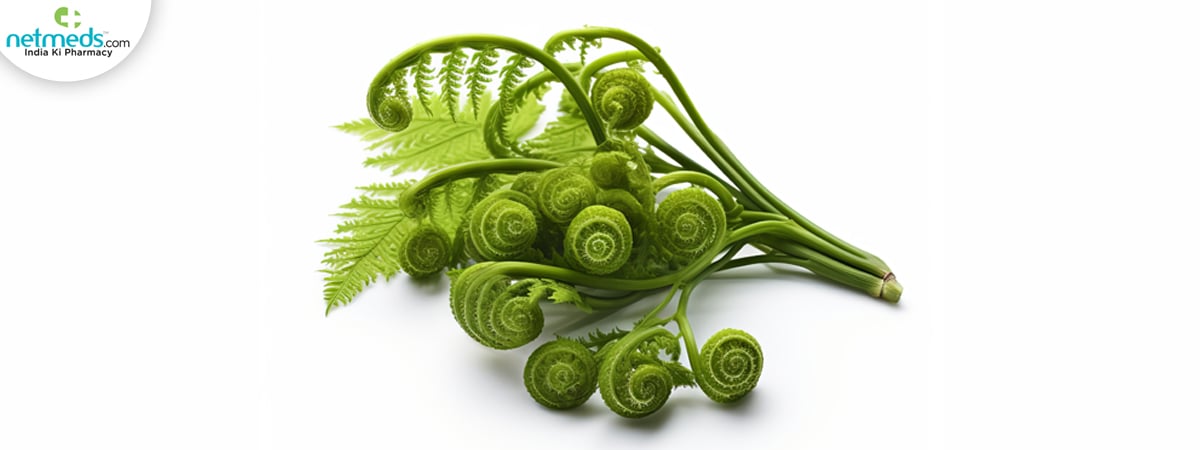
Nutritional Value of Fiddlehead Fern
Fiddlehead fern is a low-calorie, nutrient-dense vegetable rich in essential vitamins and minerals. Because of its impressive nutrient profile, fiddlehead fern is often considered a natural immunity booster and an iron-rich green vegetable. Key Nutrients in Fiddlehead fern are:
· Vitamin A
· Vitamin C
· Iron
· Potassium
· Manganese
· Dietary Fiber
· Antioxidants
Also Read: Agathi Leaves:5 Incredible Health Benefits Of This Nutrient-Dense Green Vegetable
What Health Benefits Fiddlehead Greens Offer?
Popular in the Himalayas, Northeast India, Nepal, and North America, these coiled fern shoots, known for their earthy, nutty flavour, tender texture, high nutritional value, and only seasonal spring availability, offer the following health benefits:
Boosts Immunity Naturally
Fiddlehead greens are rich in vitamin C and powerful antioxidants that help strengthen the immune system. These nutrients protect the body against infections and support overall immune response, making this seasonal vegetable excellent for maintaining year-round health.
Supports Healthy Digestion
High in dietary fibre, fiddlehead fern promotes smooth digestion and prevents constipation. Fiber also supports a healthy gut microbiome, improves nutrient absorption, and helps maintain digestive balance, contributing to better overall gastrointestinal health.
Promotes Heart Health
Fiddlehead greens contain potassium, an essential mineral that helps regulate blood pressure levels. Balanced blood pressure reduces strain on the heart, lowers cardiovascular risks, and supports proper circulation, making this vegetable beneficial for long-term heart wellness.
Enhances Energy Levels
With a good amount of iron and essential minerals, fiddlehead fern supports red blood cell production and oxygen transport in the body. This helps reduce fatigue, improve stamina, and maintain steady energy levels throughout the day.
Ideal For Healthy Weight Management
Low in calories yet rich in nutrients, fiddlehead greens are ideal for weight-conscious diets. Their fibre content reduces unnecessary snacking and supports balanced nutrition without adding excess calories to daily meals.
Also Read: 5 Nourishing Leaf Juices That Nurture Physical And Mental Wellbeing - Infographic
How to Clean and Cook Fiddlehead Fern Safely
· Rinse thoroughly under running water
· Remove brown papery husks
· Soak in salted water briefly
· Boil for about ten minutes
· Discard the boiling water
· Cook further before serving
· Proper cooking enhances flavour and prevents stomach discomfort.
Also Read: Plantain Leaf For Skin: Skincare Benefits, Uses, And Natural Healing Secrets
Where To Find Them?
You can find fiddlehead fern in local Himalayan markets during spring, Northeast India seasonal vegetable markets, farmers’ markets, specialty organic stores, and sometimes in frozen form at international grocery stores. When properly cleaned and cooked, they make a delicious, healthy, and seasonal addition to meals. So, here is a simple Himalayan-style fiddlehead stir fry recipe, highlighting the natural flavour of this seasonal green vegetable.
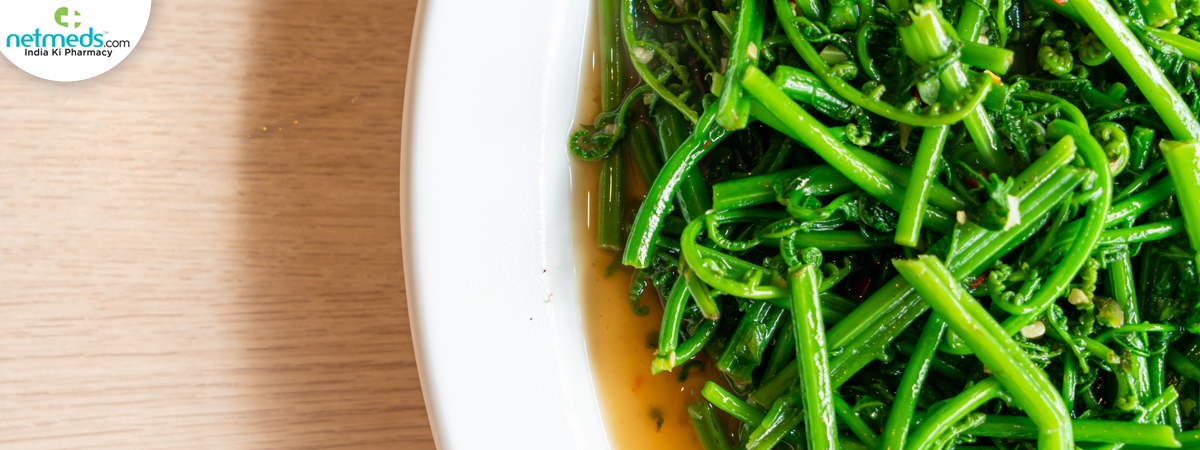
Fiddlehead Fern Recipe (Himalayan-Style Lingdu Sabzi)
Ingredients
· 2 cups cleaned fiddlehead ferns
· 1 tablespoon mustard oil
· 5 chopped garlic cloves
· 1 small, sliced onion
· 1 green chili
· ½ teaspoon turmeric powder
· A pinch of cumin seeds
· Salt to taste
Method
· Wash fiddleheads and boil in salted water for 10 minutes
· Drain and discard the water
· Heat oil in a pan
· Add cumin seeds and let them splutter
· Add chopped garlic and sauté until golden
· Add sliced onions and cook until soft
· Add turmeric and salt
· Add boiled fiddleheads
· Stir fry for ten minutes
· Cook until tender but slightly crisp
· Serve hot
Frequently Asked Questions
What Are Other Names Of Fiddlehead Fern?
Fiddlehead fern is known by different regional names across India. It is called Lingdu in Himachal Pradesh and Uttarakhand, Ningro in Jammu & Kashmir, and Dhekia in Assam and other parts of Northeast India.
Where Else In The World Are Fiddlehead Ferns Found?
Fiddlehead fern grows in temperate regions across the globe. It is commonly found in North America, particularly in Canada and the northeastern United States, as well as in Nepal, Bhutan, China, and other high-altitude Himalayan regions.
Why Should Fiddlehead Ferns Not Be Eaten Raw?
Raw fiddlehead fern can contain natural toxins and microorganisms that may cause stomach discomfort, nausea, or foodborne illness. Boiling, steaming, or cooking thoroughly destroys these harmful compounds, making the vegetable safe and enjoyable to eat.
References:
Nutritional and Antioxidant Potential of Fiddleheads from European Ferns
Marcela Dvorakova
https://pmc.ncbi.nlm.nih.gov/articles/PMC7923283/
https://www.researchgate.net/publication/391984449_Fiddlehead_Fern_Lingud_The_Powerhouse_of_Nutrients
 Previous


