


As parents, you make sure they eat well, get outside, and sleep enough. But when you think about supporting your child’s brain, there is one nutrient you hear about over and over: Omega-3 fatty acids.
People talk a lot about Omega-3s for good reasons. These healthy fats help with brain development, learning, memory, and just about everything tied to growing minds. Childhood is such a critical time for brain growth that parents often wonder: Does my kid get enough Omega-3s from their meals? Should I look at supplements?
Now, fatty fish, nuts, and seeds are all great sources, but let us be honest, not every child will touch salmon or chia seeds. That has led to a boom in kid-friendly Omega-3 supplements, from gummies and chewables to syrups and softgels.
But are these supplements actually necessary? What do they really do, and are they safe? How do you pick the best one? Here is what matters when you are thinking about Omega-3s for your child.
Support Your Child's Brain Development With Our Wide Range Of Kids' Brain Health Supplements Today!
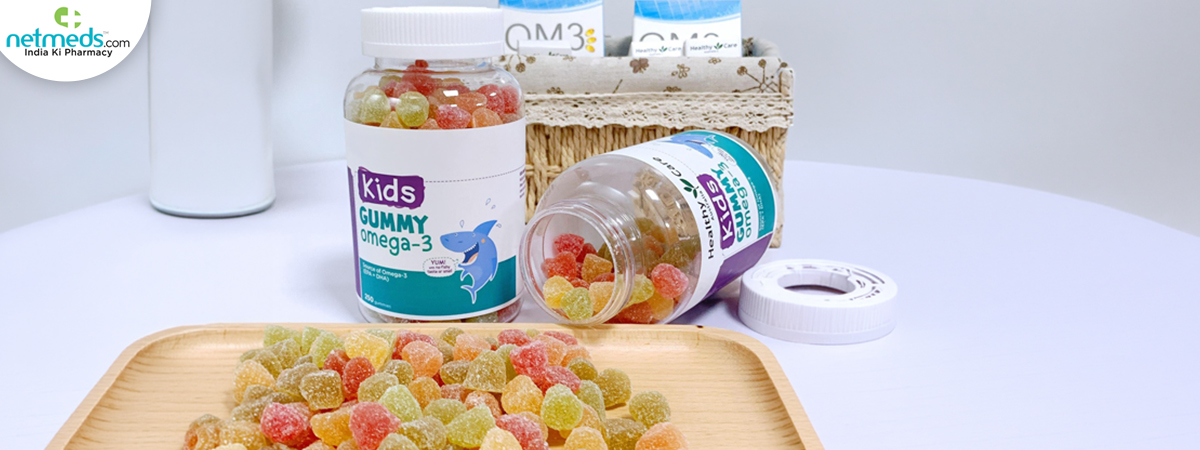
What Are Omega-3 Fatty Acids?
Omega-3s are healthy fats, polyunsaturated ones, to be exact, that your child’s growing body needs. There are three main types you should know:
DHA (Docosahexaenoic Acid)
DHA makes up a big part of the brain and eyes. It matters most during those early years when brains grow the fastest.
EPA (Eicosapentaenoic Acid)
EPA supports mood, keeps the immune system humming, and helps with overall health.
ALA (Alpha-Linolenic Acid)
You will find ALA in plant foods like flaxseeds, walnuts, and chia. Our bodies can turn a bit of ALA into DHA and EPA, but honestly, it isn’t very efficient.
Also Read: Top 5 Brain Health Supplements for Children: Benefits for Memory and Focus
Why Does Omega-3 Matter for Kids?
A child’s brain is working overtime in those first years and keeps developing right through the teen years. Omega-3s play a role in:
Brain growth and development
Learning and memory
Attention and focus
Nerve function
Mood and emotional wellness
The catch is, our bodies can’t make Omega-3s well. Kids need to get these fats from what they eat or from a supplement.

Top 10 Brain Benefits of Omega-3s for Kids
Helps the Brain Develop
DHA is a key building block for the brain. Enough of it means better neural connections and more learning power.
Sharpens Learning and Memory
Omega-3s help brain cells “talk” to each other, supporting memory and better information processing.
Promotes Focus
Some research hints that kids with solid Omega-3 intake pay better attention and may do better in class.
Supports Healthy Vision
Since DHA is found in the retina, getting enough Omega-3 helps eyes develop and work the way they should.
Improves Emotional Well-Being
Good Omega-3 levels support balanced moods and can help with emotional ups and downs.
Boosts Sleep
Studies point to a link between DHA and better sleep. Better sleep means better behaviour, learning, and growth.
Keeps the Nervous System Running Smoothly
Omega-3s help nerve cells send messages around the body the way they are supposed to.
Supports School Performance
When kids remember more and focus better, all their schoolwork might get a little easier.
Promotes Overall Wellness
Omega-3s help not just the brain but also the heart and immune system.
Closes Nutritional Gaps
If your child barely eats fish, supplements can make sure they get enough DHA and EPA.
How Do You Know if Your Child Needs More Omega-3?
Some kids just don’t like fish or have really picky eating habits. Signs your child may not be getting enough can include:
Rarely eating fish
Only eating a narrow range of foods
Trouble focusing
Little variety in the diet
These signs don’t always mean there is an Omega-3 problem, but if you notice them, it is a good idea to check with your child’s doctor.

Best Food Sources of Omega-3s
Before you go for a supplement, try to add more Omega-3-rich bites to your child’s plate.
Animal-based:
Salmon
Sardines
Mackerel
Tuna
Omega-3-enriched eggs
Plant-based:
Chia seeds
Walnuts
Hemp seeds
Soybeans
Are Omega-3 Supplements Safe for Kids?
Most kids can safely take Omega-3 supplements as long as you stick to the recommended doses. Always:
Follow serving sizes carefully
Buy from brands you trust
Talk to your pediatrician first, especially if your child has health issues
Tell your doctor about any medications your child uses
Types of Omega-3 Supplements for Kids
Fish oil: Packed with DHA and EPA
Algal oil: A vegetarian/vegan source, made from algae, rich in DHA
Gummies: Easy and tasty for kids to take
Chewable or syrups: Good for younger kids who can’t swallow pills
How Much Does Your Child Need?
It depends on age, what they are already eating, and their health. Most experts say it is best to get Omega-3s from food first. If you are thinking about supplements, check with your child’s doctor to find the right dose.
Tips for Giving Omega-3s to Kids
Pick kid-friendly formulas
Choose products that clearly tell you the DHA and EPA content
Give supplements with food to help your child absorb them better and avoid tummy upset
Go for third-party tested brands when you can
Remember, supplements fill in the gaps, they shouldn’t replace real, whole foods
Side Effects Of Omega-3 Supplments
Omega-3s are usually easy on the stomach, but once in a while kids might notice:
Mild tummy trouble
Fishy taste
Looser stools
These usually go away on their own. Still, be careful if your child has fish allergies, is on blood thinners, has a bleeding disorder, or other health conditions. And never go over the dosing instructions.
Frequently Asked Questions
Can Omega-3s boost my child’s intelligence?
Omega-3s help the brain work its best, but nothing can magically raise someone’s IQ. Good food, sleep, learning, and movement all matter too.
When can kids start Omega-3 supplements?
It depends on the product and your child’s needs. Always check the label and ask your pediatrician.
Are there vegetarian Omega-3 options?
Definitely. Algal oil is a great vegetarian and vegan choice, it is made from algae and provides DHA.
Can kids get enough Omega-3 from food?
Lots of kids can, as long as their diet includes enough Omega-3-rich foods like fish or plant sources.
Is daily use necessary?
Check with your healthcare provider and read the label for how often to give the supplement.
Conclusion
Omega-3s play a big role in brain development, learning, memory, vision, and more. If your child doesn’t eat much fish or other Omega-3 foods, a supplement can help. Just focus on quality, choose products meant for kids, and get advice from your doctor.
Overall, Omega-3s are one piece of the puzzle, keep encouraging healthy eating, movement, sleep, and a loving environment. That is how you help your child grow up strong, focused, and ready for what is ahead.
 Previous