Living with persistently dry eyes and a dry mouth may seem like a minor inconvenience at first. However, when these symptoms continue for months and are accompanied by fatigue, joint pain, or difficulty swallowing, they could point to something more serious, Sjögren's syndrome, a chronic autoimmune disorder that affects millions of people worldwide.
Observed annually on July 23, World Sjögren's Day aims to increase awareness about this often-overlooked autoimmune disease, encourage early diagnosis, and improve the quality of life of those living with the condition. The day also honors the birth anniversary of Swedish ophthalmologist Dr. Henrik Sjögren, who first described the syndrome in 1933.
Whether you have recently been diagnosed or simply wish to learn more, understanding the condition can help you recognize early warning signs and seek timely medical care.
World Sjögren's Day 2026 Theme
The theme for World Sjögren's Day 2026 is ‘Stronger With Sjögren's: Thriving in the New Era.’ This campaign emphasizes combining healthy daily lifestyle practices with advanced treatment options, while raising awareness about the widespread systemic effects of this autoimmune disorder.
Also Read: Sjogren's Syndrome: Causes, Symptoms, Risk factors And Treatment
Choose from our wide range of anti-inflammatory creams and moisturisers to treat skin dryness!
Signicance Of World Sjögren's Day
World Sjögren's Day serves as a global platform to educate people about an autoimmune condition that frequently goes undiagnosed for years. Since its symptoms often mimic those of ageing, menopause, stress, or other autoimmune disorders, many individuals experience significant delays in receiving appropriate treatment.
The observance helps:
Raise awareness among the public
Encourage people to recognize early symptoms
Promote timely diagnosis and medical intervention
Support ongoing autoimmune disease research
Advocate for improved patient care and healthcare policies
Ultimately, the goal is to ensure that patients receive the support, treatment, and understanding they deserve.
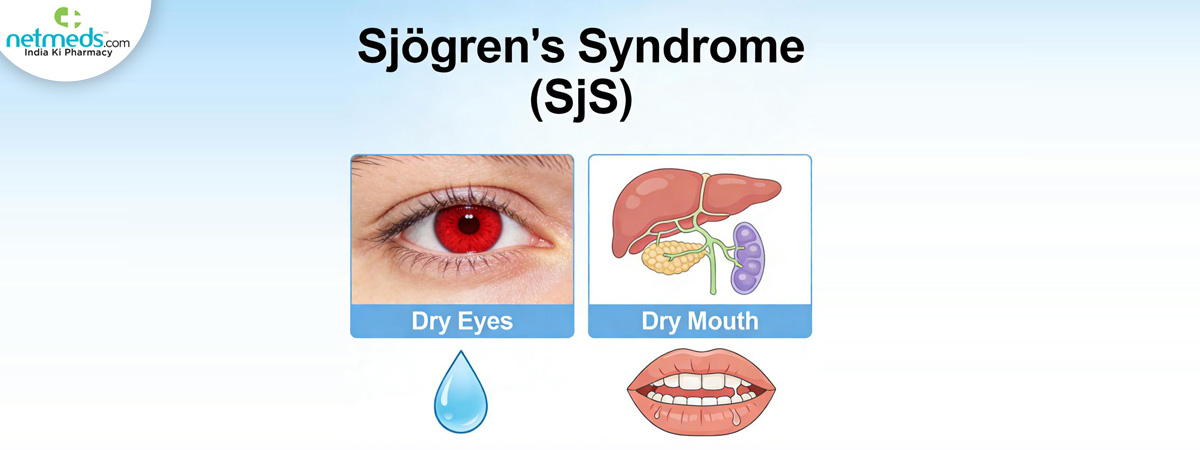
What Is Sjögren's Syndrome?
Sjögren's syndrome is a chronic autoimmune disease in which the body's immune system mistakenly attacks its own moisture-producing glands, particularly the salivary and tear glands.
As a result, people experience:
Dry eyes
Reduced tear production
Difficulty swallowing
Dry skin
In some individuals, the disease may also affect the:
Joints
Kidneys
Lungs
Liver
Nervous system
Blood vessels
The condition may occur:
Primary Sjögren's syndrome develops independently.
Secondary Sjögren's syndrome occurs alongside other autoimmune diseases such as rheumatoid arthritis or lupus.
Who Is At Greater Risk?
Although Sjögren's syndrome can affect anyone, certain individuals have a higher risk.
Risk factors include:
Women (especially over 40 years)
Family history of autoimmune diseases
Lupus
Thyroid disorders
Other autoimmune conditions
Women account for nearly 90% of diagnosed cases.
Early Symptoms You Should Never Ignore
Early recognition can significantly reduce long-term complications.
Common symptoms include:
Persistent dry eyes
Burning or gritty sensation in the eyes
Dry mouth
Difficulty chewing and swallowing
Frequent thirst
Cracked lips
Dry skin
Fatigue
Muscle aches
Swollen salivary glands
Hoarseness
Vaginal dryness (in women)
If these symptoms persist for several weeks, consult a healthcare provider.
Without further ado, here are some proven ways to manage this autoimmune disorder.

Effective Ways To Manage Sjögren's Syndrome
Although there is currently no cure, several treatments help reduce symptoms and improve quality of life.
Stay Well Hydrated
One of the simplest yet most effective ways to manage Sjögren's syndrome is to stay well hydrated throughout the day. Drinking plenty of water helps relieve dry mouth, supports saliva production, improves swallowing, and prevents dehydration. Carrying a water bottle and sipping water frequently can make daily activities much more comfortable.
Use Artificial Tears
Dry eyes are among the most common symptoms of Sjögren's syndrome. Using lubricating artificial tears regularly helps keep the eyes moist, reduces irritation, protects the corneal surface, and improves overall eye comfort. Follow your eye specialist's recommendations on the type and frequency of eye drops to use.
Maintain Good Oral Hygiene
Reduced saliva production significantly increases the risk of tooth decay, gum disease, and oral infections. Maintaining proper oral hygiene is essential. Brush your teeth twice daily using fluoride toothpaste, floss regularly, and schedule routine dental check-ups. Good oral care helps prevent cavities, keeps gums healthy, and supports long-term oral health.
Anti-Inflammatory Diet
A nutrient-rich, anti-inflammatory diet may help support immune function and reduce inflammation associated with Sjögren's syndrome. Include omega-3 fatty acid-rich foods, fresh fruits, vegetables, whole grains, nuts, and seeds in your daily meals. At the same time, limit processed foods, sugary snacks, and refined carbohydrates to promote overall wellness.
Protect Your Eyes
Taking simple precautions can help minimize eye dryness and irritation. Wear sunglasses whenever you go outdoors to shield your eyes from wind and sunlight, and avoid prolonged exposure to air conditioning, heaters, or direct fans. These measures help reduce tear evaporation and keep your eyes more comfortable.
Increase Indoor Humidity
Dry indoor environments can aggravate symptoms of Sjögren's syndrome. Using a humidifier at home or in your workplace adds moisture to the air, helping relieve dryness in the eyes, nose, throat, and respiratory tract. This can also improve breathing comfort, especially during winter or in air-conditioned rooms.
Exercise Regularly
Regular physical activity plays an important role in managing fatigue and maintaining joint health. Gentle exercises such as walking, swimming, yoga, stretching, and low-impact workouts improve blood circulation, support joint mobility, boost energy levels, and enhance overall mood without placing excessive strain on the body.
Take Medications as Prescribed
Treatment for Sjögren's syndrome varies depending on the severity of symptoms. Your healthcare provider may prescribe artificial tears, saliva stimulants, anti-inflammatory medications, immunosuppressive drugs, or pain relievers to manage specific concerns. Always take medications exactly as directed and avoid self-medication without consulting your doctor.
Manage Stress
Chronic stress can worsen autoimmune symptoms and negatively affect overall well-being. Incorporating stress-management techniques such as meditation, yoga, deep breathing exercises, mindfulness practices, and getting adequate sleep can help improve emotional health and may reduce symptom flare-ups.
Regular Medical Check-Ups
Routine medical follow-ups are essential for monitoring disease progression and identifying complications early. Regular consultations with your rheumatologist, ophthalmologist, and dentist ensure timely treatment adjustments and help improve long-term health outcomes.
Lifestyle Tips for Better Living with Sjögren's Syndrome
Along with medical treatment, adopting healthy lifestyle habits can make symptom management easier. Stay well hydrated throughout the day, avoid smoking, limit alcohol and caffeine intake, and apply lip balm regularly to prevent dry, cracked lips. If mouth sores develop, avoid overly spicy foods that may trigger irritation. Prioritize adequate sleep, maintain a healthy body weight, and consistently follow your prescribed treatment plan to support your overall health and quality of life.
Can Ayurveda Help?
Some Ayurvedic herbs and therapies are traditionally used to support overall immune balance, improve digestion, and promote general wellness. However, there is currently insufficient scientific evidence to recommend Ayurvedic remedies as a replacement for standard medical treatment for Sjögren's syndrome.
If considering complementary therapies, consult both your rheumatologist and a qualified Ayurvedic practitioner to ensure they are safe alongside your prescribed medications.
Conclusion
World Sjögren's Day 2026 reminds us that persistent dryness is not always a minor inconvenience, it may be an early sign of a chronic autoimmune disorder requiring medical attention. By recognizing symptoms early, seeking timely diagnosis, and following a comprehensive treatment plan, people with Sjögren's syndrome can effectively manage their condition and maintain a good quality of life.
References:
- National Institute of Arthritis and Musculoskeletal and Skin Diseases (NIAMS): https://www.niams.nih.gov/health-topics/sjogrens-syndrome
- Sjögren's Foundation: https://sjogrens.org
- National Eye Institute: https://www.nei.nih.gov
- American College of Rheumatology: https://rheumatology.org
- National Institutes of Health: https://www.ncbi.nlm.nih.gov
- Mayo Clinic: https://www.mayoclinic.org
 Previous