Do you ever feel like your body is running low on strength and energy even though you are eating well? Sometimes, the answer lies in time-tested herbs that quietly support the body from within. One such lesser-known yet powerful Ayurvedic herb is Meda (Polygonatum verticillatum).
Traditionally valued in Ayurveda as a rejuvenating herb, Meda is known for promoting strength, vitality, and tissue nourishment. It is often included in classical formulations aimed at improving immunity, supporting recovery, and enhancing overall well-being.
In this detailed guide, let us explore what Meda is, its medicinal qualities, Ayurvedic properties, health benefits, dosage, side effects, and precautions so you can understand how this herb works and whether it fits into your wellness routine.
Be in the pink of health with our wide range of Ayurvedic supplements today!
What Is Meda (Polygonatum verticillatum)?
Meda is a medicinal herb belonging to the Liliaceae family (sometimes classified under Asparagaceae) and is commonly found in the Himalayan regions of India. It is one of the important herbs in the Ashtavarga group, a rare set of rejuvenating plants used in classical Ayurvedic formulations like Chyawanprash.
The plant is especially valued for its underground rhizomes, which are rich in bioactive compounds and used in herbal preparations. Traditionally, Meda has been used to improve strength, promote longevity, support reproductive health, and nourish body tissues.
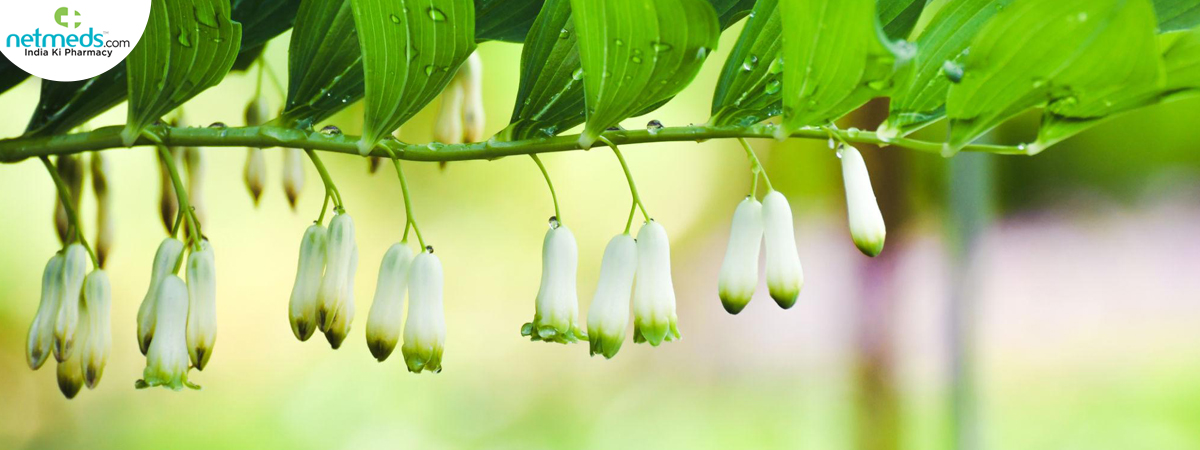
Plant Description Of Meda
Meda is a perennial herb that grows in cool, temperate climates, especially in mountainous regions.
The plant typically grows up to 60–120 cm in height
It has slender, arching stems with whorled (circularly arranged) leaves
Leaves are narrow, lance-shaped, and bright green
Flowers are small, tubular, and usually greenish white
The rhizome (underground stem) is thick, fleshy, and medicinally important
This unique structure allows the plant to store nutrients effectively, contributing to its rejuvenating properties.
Vernacular And Other Names Of Meda
Scientific Name: Polygonatum verticillatum
English: Whorled Solomon’s Seal
Hindi: Meda
Sanskrit: Meda
Tamil: Meda Kilangu (adapted)
Telugu: Meda Dumpa
Kannada: Meda Gedde
Malayalam: Meda Kizhangu
Marathi: Meda
Gujarati: Meda
Meda Medicinal Qualities
Meda contains a range of beneficial phytochemicals, including:
Saponins
Alkaloids
Glycosides
Flavonoids
Polysaccharides
These compounds contribute to its:
Rejuvenating (Rasayana) properties
Anti-inflammatory effects
Immune-supportive action
Adaptogenic potential
Tissue-nourishing abilities
Meda Ayurvedic Properties
From an Ayurvedic perspective, Meda is considered a powerful rejuvenating herb.
Rasa (Taste): Madhura (sweet)
Guna (Quality): Guru (heavy), Snigdha (unctuous)
Virya (Potency): Sheeta (cooling)
Vipaka (Post-digestive effect): Madhura
Dosha Effect: Pacifies Vata and Pitta, may increase Kapha in excess
Meda is known to nourish Rasa (plasma), Mamsa (muscle), and Shukra (reproductive tissue), making it useful for overall vitality and strength.

10 Astounding Health Benefits Of Meda
Boosts Immunity
Meda is highly valued in Ayurveda as a Rasayana herb that enhances the body’s natural immunity. It works by nourishing the deeper tissues and supporting immune cell function, helping the body fight infections more effectively. Regular consumption may improve resistance against seasonal illnesses, reduce susceptibility to fatigue, and promote faster recovery, making it an excellent herb for long-term immune support.
Also Read: Immunity Boosters: 6 Powerful Herb Infused Concoctions You Must Have For Enhanced Health
Energy Levels
If you frequently feel low on energy, Meda can act as a natural revitalizer. Instead of offering a temporary boost like caffeine, it improves energy levels by nourishing the body at a cellular level. This helps sustain stamina throughout the day, making it especially beneficial for individuals recovering from illness, experiencing chronic fatigue, or dealing with physical weakness.
Also Read: Ayurvedic Herbs For Stamina: 5 Natural Energizers To Fight Fatigue Fast - Infographic
Aids Digestion
Meda gently supports digestive health by improving Agni (digestive fire) without causing irritation. It helps the body absorb nutrients more efficiently, which is essential for overall health and vitality. Its soothing nature makes it ideal for those with sensitive digestion, helping reduce bloating, irregular appetite, and sluggish digestion over time.
Promotes Deep Tissue Nourishment
One of Meda’s most important benefits is its ability to nourish body tissues deeply. It supports Mamsa Dhatu (muscle tissue) and helps improve muscle strength, endurance, and recovery. This makes it particularly useful for undernourished individuals, those looking to build strength, or anyone recovering from physical exertion or illness.
Supports Respiratory Health
Meda has traditionally been used to support lung health and ease respiratory discomfort. Its cooling and soothing properties help calm irritation in the respiratory tract, making it beneficial for dry cough, throat irritation, and mild breathing issues. By nourishing lung tissues, it promotes smoother and more comfortable breathing.
Also Read: Respiratory Health: 5 Incredible Herbs To Boost Your Lung Power
Augments Reproductive Health
In Ayurveda, Meda is known to support Shukra Dhatu (reproductive tissue), which plays a vital role in overall vitality and reproductive health. It helps nourish reproductive tissues, improve strength, and support hormonal balance. This makes it beneficial for enhancing stamina, fertility, and overall reproductive wellness in both men and women.
Remedies Inflammation
Meda contains bioactive compounds with anti-inflammatory properties that help calm internal inflammation. This can be beneficial for individuals experiencing joint stiffness, muscle soreness, or general inflammation. By reducing inflammatory responses, Meda supports better joint mobility and overall physical comfort.
Improves Skin Health
Healthy skin reflects internal nourishment, and Meda supports this by hydrating and rejuvenating body tissues. Its antioxidant properties help protect skin cells from damage, while its nourishing action improves texture and elasticity. Regular use may help reduce dryness, promote a natural glow, and support overall skin health.
Helps In Post-Illness Healing
Meda is often recommended during recovery phases due to its strengthening and rejuvenating nature. It helps rebuild lost energy, restore tissue health, and accelerate healing. This makes it especially useful after illness, surgery, or periods of prolonged weakness, helping the body regain strength more efficiently.
Relieves Stress
Meda exhibits mild adaptogenic properties that help the body cope better with stress. It supports the nervous system by promoting calmness and reducing fatigue associated with mental and physical stress. Over time, it may help improve emotional balance, enhance overall well-being, and support a more stable mood.
Meda Dosage
There is no universally fixed dosage, but general guidelines include:
Powder (Churna): 3–6 grams per day with milk or warm water
Decoction (Kwath): 20–50 ml
Capsules/Tablets: As directed by a healthcare practitioner
Always start with a lower dose and consult an Ayurvedic practitioner for personalised advice.
Side Effects Of Meda
Meda is generally considered safe when used appropriately, but:
Excess consumption may lead to digestive heaviness
May increase Kapha if overused
Rare allergic reactions may occur in sensitive individuals
Precautions
Pregnant and breastfeeding women should consult a doctor before use
Avoid self-medication in chronic conditions
Use under professional guidance for long-term use
Ensure proper identification and sourcing of the herb
Note: Individuals with pre-existing medical conditions should seek medical advice before using Meda.
Frequently Asked Questions
Is Meda safe for daily use?
Yes, when taken in recommended doses under guidance, it is generally safe.
Can Meda boost immunity?
Yes, its Rasayana properties help strengthen the immune system naturally.
Is Meda good for weakness and fatigue?
Absolutely, it is traditionally used to improve strength and energy levels.
Can Meda be used for skin health?
Yes, it supports internal nourishment that reflects on skin health.
Does Meda have any side effects?
It is mostly safe, but excess intake may cause heaviness or mild digestive issues.
Conclusion
Meda (Polygonatum verticillatum) is a hidden gem in Ayurveda, offering a wide range of benefits from boosting immunity and energy to supporting tissue nourishment and overall vitality. Its rejuvenating properties make it especially valuable for those looking to improve strength, recovery, and long-term wellness.
However, like any herbal remedy, it works best when used mindfully and under proper guidance. With the right approach, Meda can be a powerful addition to your natural health routine.
References:
- https://www.ncbi.nlm.nih.gov/pmc/articles/PMC3215356/
- https://www.researchgate.net/publication/318509917
- https://ayurvedjournal.com
 Previous