


Looking for a balanced way to embrace vegetarian eating that combines the goodness of plant-based foods with the superb add-on benefits of dairy? A lacto-vegetarian diet could be a great option! An eating pattern that brings together nutrient-rich fruits, vegetables, whole grains, pulses, nuts, seeds, and dairy delights like milk, curd, paneer, and cheese, while keeping meat, poultry, fish, seafood, and eggs off the plate, this diet plan has plenty of wholesome food choices for sure!
In this article, let’s explore how a well-planned lacto-vegetarian diet can nourish your body, support overall health, and bring delicious variety to your everyday meals.
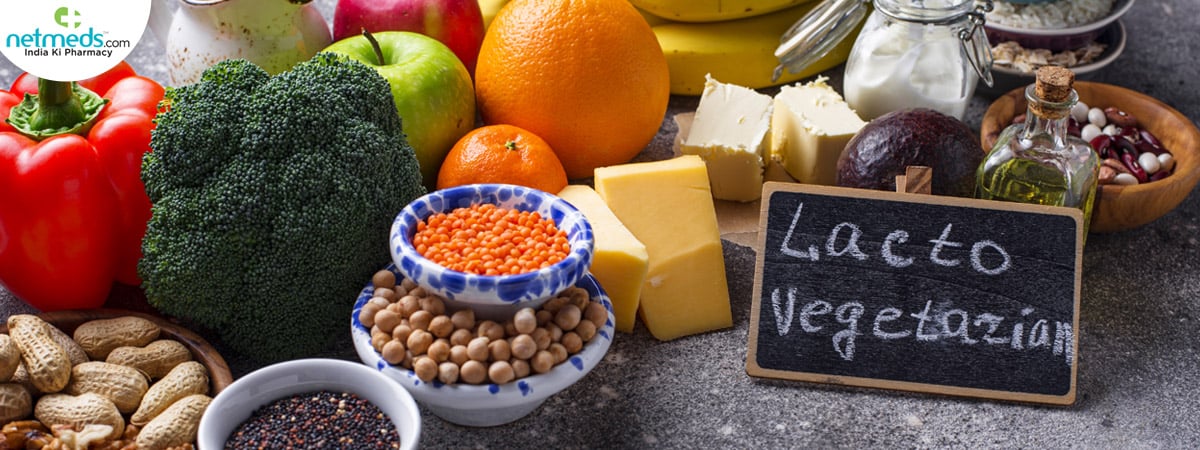
Foods to Eat on a Lacto-Vegetarian Diet
Unlike a vegan diet (which excludes dairy and other animal-derived foods), a lacto-vegetarian diet allows milk and its products. You can adapt it to Indian eating habits, with meals built around dal, roti, rice, seasonal vegetables, curd, and pulses. A lacto-vegetarian diet should include a variety of foods from the following groups.
Fruits and Vegetables
Include fruits and vegetables such as spinach, carrots, tomatoes, pumpkin, broccoli, guava, oranges, apples, and papaya. These provide fibre, vitamins, minerals, and beneficial plant compounds. Do not rely on just a few familiar vegetables; aim for variety. Whole fruits are generally preferable to fruit juices because they retain fibre.
Whole Grains and Millets
Choose whole-wheat roti, oats, brown rice, barley, ragi, jowar and bajra. Whole grains provide carbohydrates, fibre and other nutrients. Eating whole grains instead of refined grains more often can improve the overall nutritional quality of meals. Choose portions suited to your energy needs.
Pulses, Beans and Soy Foods
Dal, rajma, chana, peas, chickpeas, soybeans and tofu are sources of plant protein. They also provide fibre and minerals. Include a pulse or another protein-rich food in your meals. Combining pulses with cereals, such as dal with rice or rajma with roti, helps provide a range of amino acids across the day.
Milk and Dairy Products
Dairy is a great source of protein and calcium. Some products also contain vitamin B12, while Vitamin D may be present in fortified products. Prefer milk and curd for everyday use. Choose dairy products and portion sizes that suit your saturated fat and calorie intake.
Nuts and Seeds
Flaxseeds, chia seeds and walnuts are excellent additions to a lacto-vegetarian diet as they provide fats, protein and minerals. Fatty acids. Use appropriate portions as snacks or add them to porridge, curd and salads.
Healthy Fats
Use vegetable oils such as mustard, groundnut or olive oil in moderate quantities. Limit deep-fried foods and excessive butter, ghee and cream. These foods can add calories and saturated fat even when the overall diet is vegetarian.
What Food Can Be Avoided When On Lacto-Vegetarian Diet?
A strict lacto-vegetarian diet excludes meat and poultry and all meats. It also excludes fish and seafood, such as prawns, crabs and shellfish, as well as eggs and foods containing eggs. Depending on the product and your dietary preferences, you may also exclude certain animal-derived ingredients, such as gelatin. Milk, curd, paneer and cheese are permitted. You do not need to eliminate all packaged foods. However, limit frequent consumption of sugary drinks, sweets, biscuits, refined snacks and heavily fried foods. Vegetarian labels alone do not indicate that a product is nutritionally balanced. Check ingredient lists when avoiding eggs or specific animal-derived ingredients in bakery products, desserts, sauces and packaged foods.
Health Benefits of a Lacto-Vegetarian Diet
The potential benefits depend on the quality of the diet. A pattern rich in vegetables, fruits, pulses, whole grains, nuts and seeds is different from one dominated by carbohydrates, sweets and fried snacks. Plant foods provide fibre that supports gut health. Pulses and whole grains provide fibre and can help you feel satisfied after meals. Replacing some energy-dense foods with these options may support weight management. Milk, curd and paneer provide calcium, which is important for bones and teeth. Protein is also needed to maintain bone and muscle tissue. Vitamin D helps the body absorb calcium. Diets rich in whole grains, vegetables, fruits, pulses and nuts can support cardiovascular health. However, calorie intake, activity levels, sleep and portion sizes should be considered when on this diet plan. Large quantities of cheese, ghee, sweets and fried snacks can contribute to excessive calorie intake, so always be mindful.
Also Read: Autoimmune Disease: Learn What It Is About And Why It’s Hard To Detect
Nutrients to Watch on a Lacto-Vegetarian Diet
These nutrients need attention when planning a lacto-vegetarian diet:
Vitamin B12: Dairy provides some vitamin B12, but intake may still be insufficient. Fortified foods or supplements may be needed.
Iron: Lentils, beans, leafy greens, and seeds provide iron. Eating vitamin C-rich foods such as guava, amla or citrus fruits alongside them can improve iron absorption.
Vitamin D: Fortified foods and supplements may help when dietary intake or vitamin D status is inadequate.
Omega-3 fatty acids: Flaxseeds, chia seeds and walnuts supply alpha-linolenic acid, a plant-based omega-3 fatty acid.
Iodine: Use appropriately iodised salt to help meet iodine requirements.
Protein: Eat pulses, beans, soy foods, dairy, nuts and seeds rather than relying mainly on cereals.
A Simple Indian Lacto-Vegetarian Meal Plan
This one-day example can be adapted to your appetite, activity level, and nutritional needs.
Early morning: A glass of warm water and a small handful of almonds or walnuts.
Breakfast: Vegetable poha with curd, or oats prepared with milk and topped with nuts and seeds.
Mid-morning: One seasonal fruit, such as guava, an orange, or an apple.
Lunch: Two whole-wheat rotis, a bowl of dal, seasonal vegetable sabzi, salad, and curd.
Evening snack: Chana or sprouts chaat with lemon.
Dinner: Vegetable khichdi with curd, or paneer and vegetable curry with roti.
Optional bedtime snack: A small glass of milk if you are hungry and it suits your needs.
For balanced meals, include a protein-rich food in your main meals, choose whole grains regularly, and vary your vegetables and fruits. Portion sizes should be adjusted to individual requirements rather than following a fixed calorie target.
Frequently Asked Questions
Can Lacto-Vegetarians Eat Eggs?
No. A strict lacto-vegetarian diet excludes eggs, meat, poultry, and fish but permits dairy. A diet that includes both eggs and dairy is called lacto-ovo-vegetarian.
Is A Lacto-Vegetarian Diet Healthy?
It can be nutritionally adequate when well planned. Eating a variety of plant foods and suitable dairy products helps provide essential nutrients, but vitamin B12, iron, vitamin D and other nutrients may require attention.
Can You Lose Weight On A Lacto-Vegetarian Diet?
A lacto-vegetarian diet may support weight management when meals contain fibre-rich foods, adequate protein and appropriate portions. Weight loss depends on overall energy intake and calories burnt, as well as a good lifestyle.
Conclusion
A lacto-vegetarian diet can be a healthy way of eating that includes vegetables, fruits, whole grains, beans, nuts, seeds and dairy but excludes meat, fish and eggs. Its benefits depend on food quality, variety, and portion sizes. Focus on protein-rich foods, eat a wide range of fresh seasonal produce, limit highly processed foods, and pay attention to nutrients that may be lacking. If you have a medical condition or specific nutritional needs, seek advice from a qualified healthcare professional.
References:
https://www.icmr.gov.in/nutrition
https://medlineplus.gov/vegetariandiet.html
https://pubmed.ncbi.nlm.nih.gov/41474402/
https://www.nature.com/articles/s41387-026-00462-6.pdf
https://www.tandfonline.com/doi/full/10.1080/10408398.2025.2572983
https://cdn.nutrition.org/article/S2475-2991(25)02071-2/fulltext
https://cdn.nutrition.org/article/S2475-2991(25)02071-2/fulltext
https://www.ahajournals.org/doi/10.1161/circ.114.suppl_18.II_518-b
https://www.cambridge.org/core/journals/british-journal-of-nutrition/article/effects-of-a-3month-dietary-intervention-with-a-lactoovovegetarian-diet-on-vitamin-b12-levels-in-a-group-of-omnivores-results-from-the-cardiveg-cardiovascular-prevention-with-vegetarian-diet-study/6778C5CB8FE1A28FCBCB2A7511877765
 Previous


