


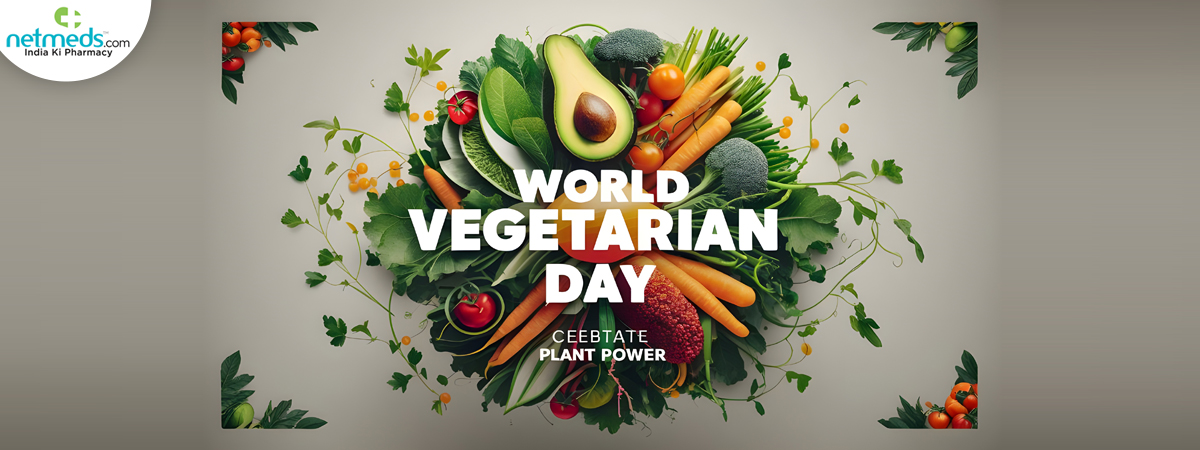
Every year, World Vegetarian Day is observed on October 1 to promote vegetarian eating and raise awareness of the potential health, ethical, and environmental benefits of being a vegetarian. The day also marks the beginning of Vegetarian Awareness Month. While the day encourages people to explore nutritious and flavourful meat-free meals instead of considering only non-vegetarian food options, it also helps people understand that being a vegetarian does not have any ill health effects, and a well-planned vegetarian diet can provide everything from protein, fibre, vitamins, and minerals to healthy fats and other essential nutrients. However, simply eliminating meat is not enough to guarantee a balanced diet. Let’s understand more about being a vegetarian.
Also Read: World Vegetarian Day 2024: Theme, Significance, And Top Myths Debunked
Significance Of World Vegetarian Day
World Vegetarian Day is more than a celebration of vegetarian recipes. It provides an opportunity to understand how a thoughtfully planned vegetarian lifestyle can fit into a healthy eating pattern. A vegetarian diet can be rich in dietary fibre, vitamins, minerals and beneficial plant compounds, particularly when meals are based on vegetables, fruits, legumes, whole grains, nuts and seeds. The American Heart Association also recommends emphasising vegetables and fruits, whole grains, beans and legumes, unsalted nuts and appropriate dairy foods as part of healthy meat-free eating. At the same time, vegetarian nutrition requires planning. Certain nutrients (particularly iron and vitamin B12) deserve attention because they may be present in smaller amounts or be less readily absorbed from vegetarian food sources. Vitamin B12 can be obtained from dairy, and people following vegan diets generally may also need fortified foods or supplements.
Also Read: World Vegetarian Day: 5 Essential Superfoods To Promote Overall Health
7 Best Foods Vegetarians Should Include for Complete Nutrition
There is no single food that provides every nutrient the body needs. The key to complete vegetarian nutrition is variety. Here are seven nutrient-dense food groups that can form the foundation of a balanced vegetarian diet.
Lentils And Pulses
Lentils, chickpeas, kidney beans, black beans and other pulses are excellent foods for vegetarians. Loaded with plant-based protein, dietary fibre, iron, folate and several other nutrients, most pulse-based dishes can be combined with whole grains to create satisfying meals. Pulses are particularly important for people who do not obtain protein from meat or fish.
Soy Foods
Soybeans and foods made from them (including tofu, tempeh and unsweetened soy products) are useful vegetarian sources of protein. They are great if added to stir-fries, salads, wraps and sandwiches. For people following a vegan diet, fortified soy drinks and other fortified soy foods can also contribute nutrients such as calcium and vitamin B12, depending on the product. Always check the nutrition label because fortification varies between products.
Whole Grains
Brown rice, oats, whole-wheat products, millets, quinoa and other whole grains can provide complex carbohydrates, fibre, B vitamins and minerals. Pairing grains with pulses also creates a nutrient-dense combination of carbohydrate and plant-based protein. Instead of relying mainly on refined grains, choosing whole grains can make vegetarian meals more nutritious and filling.
Nuts And Seeds
Almonds, walnuts, peanuts, chia seeds, flaxseeds, sunflower or pumpkin seeds are amazing additions to a vegetarian diet. They provide protein, healthy fats, fibre, vitamins and minerals, and also useful sources of plant-based omega-3 fatty acids. The body processes plant omega-3 differently from the omega-3 found in oily fish, but these foods can still be valuable components of a vegetarian eating pattern.
Green Leafy Vegetables
Spinach, fenugreek leaves, mustard greens, amaranth and other leafy vegetables can provide folate, vitamin K, carotenoids, fibre and minerals. Dark green vegetables are an ideal dietary iron source. Include vitamin C-rich foods with meals to improve the absorption of non-haem iron because plant-based iron is absorbed less efficiently than haem iron from animal foods.
Dairy Products And Fortified Alternatives
For lacto-vegetarians, yoghurt, milk and cheese can contribute protein, calcium and vitamin B12. People who avoid dairy can also go for fortified alternatives, such as calcium- and vitamin B12-fortified soy or other plant-based drinks. Choosing unsweetened and appropriately fortified products can make it easier to meet nutritional requirements without adding excessive sugar.
Colourful Fruits and Vegetables
A vegetarian diet should not be limited to grains and pulses. Fruits and vegetables provide fibre, vitamins, minerals and a wide range of plant compounds. Try to include different colours throughout the day—such as berries or other red fruits, carrots and pumpkin, leafy greens, citrus fruits, tomatoes and purple vegetables. Eating a variety of produce can help broaden the nutritional profile of the diet.
Also Read: World Vegetarian Day: Tasty High-Protein Recipes With Plant-Based Meat Substitutes
How to Build A Balanced Vegetarian Plate?
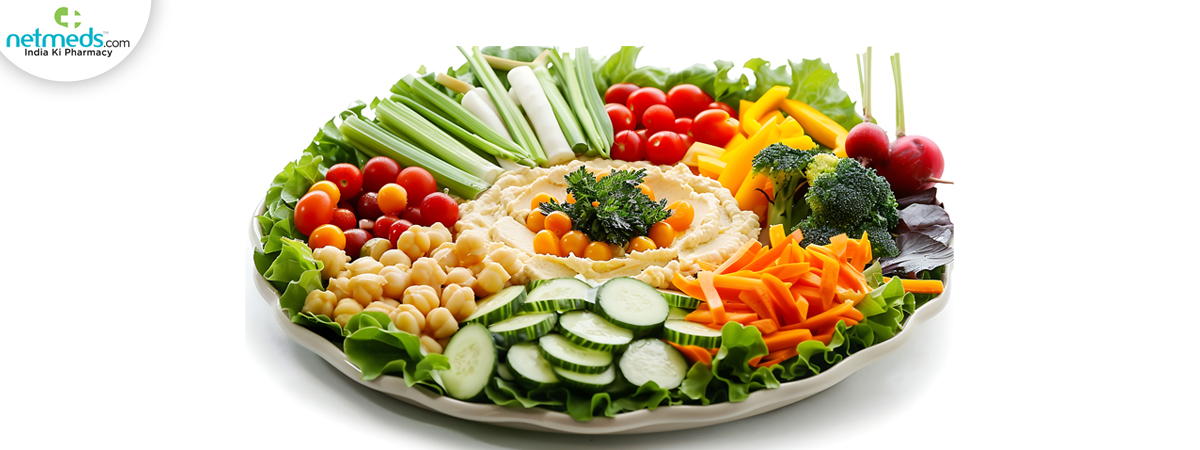
A simple way to improve vegetarian meal planning is to combine different food groups at every major meal. A balanced Indian vegetarian meal could include a major pulse for protein, whole-grain carbohydrates in the form of rice or bread, some seasonal vegetables, and a portion of curd. A fruit and a small serving of nuts can also be added to it. Vegetarians should also pay attention to iron, vitamin B12, calcium, vitamin D, iodine, zinc, protein, and omega-3 fatty acids, depending on their individual dietary pattern. Those following a vegan diet may have greater difficulty obtaining some nutrients and may require fortified foods or supplements.
Also Read: World Vegan Day 2022: 7 Science-Backed Health, Nutritional Benefits of This Diet Regimen
Frequently Asked Questions
Can a vegetarian diet provide enough protein?
Yes, a well-planned vegetarian diet can provide adequate protein through foods such as lentils, beans, chickpeas, soy foods, seeds, nuts, and dairy products. Eating a variety of protein sources throughout the day can help support overall nutritional adequacy.
Which nutrients should vegetarians pay special attention to?
Vegetarians should pay particular attention to nutrients such as iron and vitamin B12, while calcium, vitamin D, iodine, zinc, omega-3 fatty acids, and protein may also require consideration depending on the individual's diet.
Is a vegetarian diet automatically healthy?
Not necessarily. A vegetarian diet, if high in processed foods, may be high in refined carbohydrates, added sugar, salt, and saturated fats. So, choosing a wide variety of minimally processed and nutrient-dense foods is essential.
Conclusion
A chance to eat mindfully, World Vegetarian Day is an opportunity to look beyond the idea that vegetarian food is simply about avoiding meat. Vegetarians must include a variety of foods, particularly plant-based protein sources, whole grains, vegetables, fruits, nuts, seeds, and, depending on their dietary pattern. The focus should be on variety, adequate nutrition, and maintaining balance rather than simply eliminating one food group. If you have a medical condition or have specific nutritional requirements, you must consult a qualified healthcare professional or a registered dietitian before making major dietary changes.
References:
https://pmc.ncbi.nlm.nih.gov/
https://www.mayoclinic.org/healthy-lifestyle/nutrition-and-healthy-eating/in-depth/vegetarian-diet/art-20046446?
https://www.health.harvard.edu/diet-and-nutrition/becoming-a-vegetarian
https://www.heart.org/en/healthy-living/healthy-eating/eat-smart/nutrition-basics/how-does-plant-forward-eating-benefit-your-health
https://www.dietaryguidelines.gov/
https://pubmed.ncbi.nlm.nih.gov/27886704/
https://link.springer.com/article/10.1007/s00394-023-03086-z
https://www.nmcd-journal.com/article/S0939-4753(23)00149-7/fulltext
https://www.jandonline.org/article/S2212-2672(25)00830-5/fulltext
https://link.springer.com/article/10.1007/s00394-017-1416-0
 Previous


