Kshirakakoli (Lilium polyphyllum) is one of Ayurveda’s rare and highly valued medicinal herbs known for its rejuvenating, nourishing, and restorative properties. Traditionally included in the famous Ashtavarga group of herbs, this plant has long been used in classical Ayurvedic formulations to support vitality, immunity, reproductive health, and tissue nourishment.
What makes Kshirakakoli particularly special is its ability to strengthen body tissues, improve stamina, and promote overall rejuvenation. Because of its nourishing properties, it is often used in Rasayana therapies to improve longevity, enhance strength, and restore balance in the body.
In traditional Ayurvedic practice, Kshirakakoli has been recommended for managing weakness, fatigue, respiratory issues, infertility, and immune deficiencies. Though the herb is rare today, it continues to hold immense importance in classical herbal medicine and remains a part of several rejuvenating formulations.
In this blog, we explore what Kshirakakoli is, its plant characteristics, medicinal qualities, Ayurvedic properties, health benefits, dosage guidelines, possible side effects, and precautions, helping you understand this ancient herb practically and holistically.
What Is Kshirakakoli (Lilium polyphyllum)?
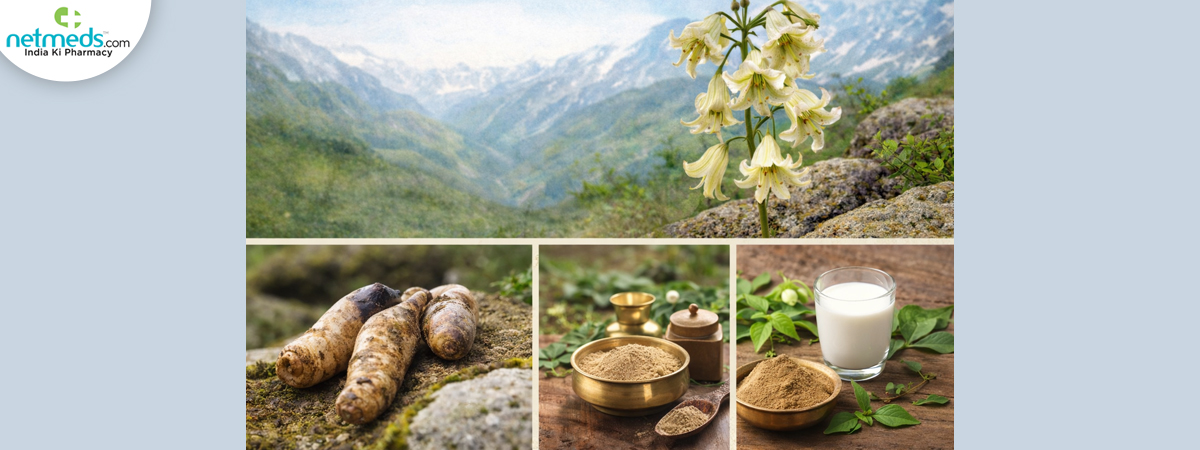
Kshirakakoli is a rare medicinal herb belonging to the Liliaceae family. It grows naturally in the Himalayan regions of India, Nepal, and Tibet, particularly at high altitudes where the climate remains cool and moist.
In Ayurveda, this herb is classified as a Rasayana, meaning it supports rejuvenation, vitality, and longevity. The name Kshirakakoli comes from the Sanskrit words ‘Kshira,’ meaning ‘milk,’ and ‘Kakoli,’ referring to a ‘medicinal herb known for nourishing properties,' highlighting its ability to strengthen body tissues and enhance vitality.
The tuber or root of the plant is primarily used for medicinal purposes. It is known for its nourishing, cooling, and restorative effects on the body. Because of these qualities, Kshirakakoli is traditionally used to support immune function, respiratory health, reproductive health, and overall energy levels.
Plant Description Of Kshirakakoli
Kshirakakoli is a perennial herbaceous plant that grows in the high-altitude Himalayan regions. It thrives in cool climates and is often found in alpine meadows and forest clearings.
The plant typically grows 30–60 cm in height and has a slender, upright stem. Its leaves are arranged in whorls along the stem, giving the plant a distinct layered appearance. The leaves are long, narrow, and pointed, contributing to the plant’s elegant structure.
The flowers of Kshirakakoli are bell-shaped and delicate, usually appearing in shades of pale yellow or light green. These flowers bloom in summer and help identify the plant in the wild.
Beneath the soil lies the tuberous root, which is the most valuable part of the plant from a medicinal perspective. This tuber stores nutrients and bioactive compounds that contribute to many of the herb’s therapeutic effects.
Vernacular And Other Names Of Kshirakakoli
Scientific Name: Lilium polyphyllum
English Name: Himalayan Lily
Sanskrit: Kshirakakoli
Hindi: Kshir Kakoli
Tamil: Kakoli Mooligai
Telugu: Kakoli Veru
Kannada: Kakoli Beru
Malayalam: Kakoli
Marathi: Kakoli
Gujarati: Kakoli
Kshirakakoli Medicinal Qualities
According to Ayurvedic texts and herbal traditions, Kshirakakoli contains several beneficial bioactive compounds that contribute to its medicinal properties.
These include:
Natural antioxidants
Alkaloids
Glycosides
Flavonoids
Essential minerals
These compounds give the herb its adaptogenic, rejuvenating, anti-inflammatory, and nourishing properties. Traditionally, Kshirakakoli has been valued for its ability to support immunity, restore strength, improve reproductive vitality, and promote overall well-being.
Kshirakakoli Ayurvedic Properties
In Ayurvedic pharmacology, Kshirakakoli is considered a powerful rejuvenating herb.
Rasa (Taste): Madhura (sweet)
Guna (Quality): Guru (heavy), Snigdha (unctuous)
Virya (Potency): Sheeta (cooling)
Vipaka: Madhura (sweet post-digestive effect)
Dosha Action:
Pacifies Vata
Balances Pitta
May increase Kapha if consumed in excess
Because of these properties, Kshirakakoli is known to nourish body tissues (Dhatus), strengthen vitality, and support overall rejuvenation.
10 Notable Health Benefits Of Kshirakakoli
Powerful Rasayana For Rejuvenation
Kshirakakoli is widely recognised as a Rasayana herb in Ayurveda. Rasayana therapies aim to rejuvenate the body, improve longevity, and maintain youthful vitality. The herb nourishes body tissues, strengthens immunity, and enhances overall vitality. Regular use under proper guidance can help maintain physical strength, mental clarity, and resistance to illness.
Strengthens The Immune System
The herb contains antioxidant compounds that help protect immune cells from oxidative stress. These antioxidants help the body combat infections and strengthen its natural defence mechanisms. By supporting immune resilience, Kshirakakoli may help the body respond better to seasonal illnesses and environmental stress.
Also Check-out: 5 Must-Try Herbs: Boost Your Health, Immunity, And Heal Naturally - Infographic
Boosts Respiratory Health
Traditional Ayurvedic medicine has used Kshirakakoli to support respiratory wellness. Its soothing and nourishing properties help calm irritated airways and support lung function. It may help manage chronic cough, throat irritation, and mild respiratory discomfort when used in herbal formulations.
Fosters Energy
One notable benefit of Kshirakakoli is its ability to improve stamina and reduce fatigue. The herb nourishes body tissues and supports metabolic balance, which can naturally improve energy levels. This makes it particularly beneficial for individuals recovering from illness or experiencing chronic weakness.
Promotes Reproductive Health
Kshirakakoli is traditionally considered beneficial for reproductive vitality. It nourishes reproductive tissues and supports hormonal balance. In men, it may help enhance vitality and reproductive strength, while in women, it supports overall reproductive wellness and tissue nourishment.
Aids Digestion
Although primarily known for its rejuvenating qualities, Kshirakakoli also supports digestive health. Its nourishing nature helps strengthen digestive tissues while maintaining digestive balance. When digestion is strong, nutrient absorption improves, contributing to overall health and vitality.
Also Read: Digestive Disorders: 7 Ways To Improve Gut Health
Helps Maintain Healthy Skin
The antioxidant compounds present in Kshirakakoli help protect skin cells from oxidative damage caused by environmental stress and ageing. By nourishing the body's tissues from within, the herb may contribute to improved skin texture, hydration, and a natural glow.
Also Read: The Elixir Of Youth: Proven Ayurvedic Herbs For Astounding Anti-Ageing Benefits
Nourishes Tissues
In Ayurveda, Kshirakakoli is believed to nourish all seven body tissues, known as Sapta Dhatus. These include plasma, blood, muscle, fat, bone, marrow, and reproductive tissue. Proper nourishment of these tissues helps maintain overall strength, stability, and health.
Supports Nervous System Health
Kshirakakoli may help support nervous system balance by nourishing nerve tissues and reducing stress-related fatigue. Its calming and restorative properties help improve mental clarity and reduce nervous exhaustion.
Also Read: Nervine Tonics: Incredible Health Benefits, Uses And Side Effects
Helps Improve Longevity
As a Rasayana herb, Kshirakakoli is traditionally associated with longevity and healthy ageing. By improving immunity, nourishing tissues, and enhancing vitality, it contributes to overall wellness and long-term health.
Kshirakakoli Dosage
The dosage of Kshirakakoli may vary depending on the individual’s age, health condition, and body constitution.
General guidelines include:
Powder (Churna): 500 mg to 1 gram once or twice daily
Herbal formulations: As advised by an Ayurvedic practitioner
Decoction: Prepared under professional supervision
It is typically taken with warm milk, honey, or ghee to enhance its nourishing and rejuvenating effects.
Always consult an Ayurvedic practitioner for personalised dosage.
Kshirakakoli Side Effects And Precautions
Kshirakakoli is generally considered safe when used in recommended amounts under professional guidance. However, certain precautions should be observed.
Possible Side Effects:
Digestive heaviness if taken in excess
Mild Kapha aggravation
Rare allergic reactions in sensitive individuals
Precautions:
Avoid excessive consumption
Use cautiously in individuals with a high Kapha constitution
Pregnant and breastfeeding women should consult a healthcare professional before use
People with chronic medical conditions should seek medical advice before taking herbal supplements
Proper usage ensures safe and effective results.
Conclusion
Kshirakakoli (Lilium polyphyllum) is a remarkable Himalayan herb known for its rejuvenating and nourishing properties in Ayurvedic medicine. As a member of the revered Ashtavarga group of herbs, it has traditionally been used to promote vitality, strengthen immunity, improve reproductive health, and support overall well-being.
By nourishing body tissues and supporting metabolic balance, Kshirakakoli plays an important role in Rasayana therapies focused on longevity and holistic wellness. While this herb offers several health benefits, responsible use and professional guidance remain essential to ensure safety and effectiveness.
In the world of traditional herbal medicine, Kshirakakoli stands as a powerful example of how nature’s rare botanicals can support long-term health and vitality.
References
- https://www.ncbi.nlm.nih.gov/pmc/articles/PMC3215357/
- https://www.researchgate.net/publication/327414519_Ashtavarga_Plants_in_Ayurveda
- https://www.sciencedirect.com/topics/pharmacology-toxicology-and-pharmaceutical-science/lilium
 Previous