Kankola might not be as commonly talked about as turmeric or ashwagandha, but it has quietly held its place in traditional Ayurvedic medicine for centuries. If you have ever come across a pepper-like spice with a slightly bitter, aromatic taste, chances are you have encountered this powerful herb without even realizing it.
Known for its warming nature and therapeutic versatility, Kankola is often used to support digestion, respiratory health, and overall vitality. Its unique combination of pungency and subtle sweetness makes it not only useful in herbal formulations but also valuable in culinary traditions.
In this blog, we will take a deep dive into everything you need to know about Kankola; from its botanical profile and Ayurvedic properties to its health benefits, dosage, precautions, and more, so you can understand how this lesser-known spice can contribute to holistic wellness.
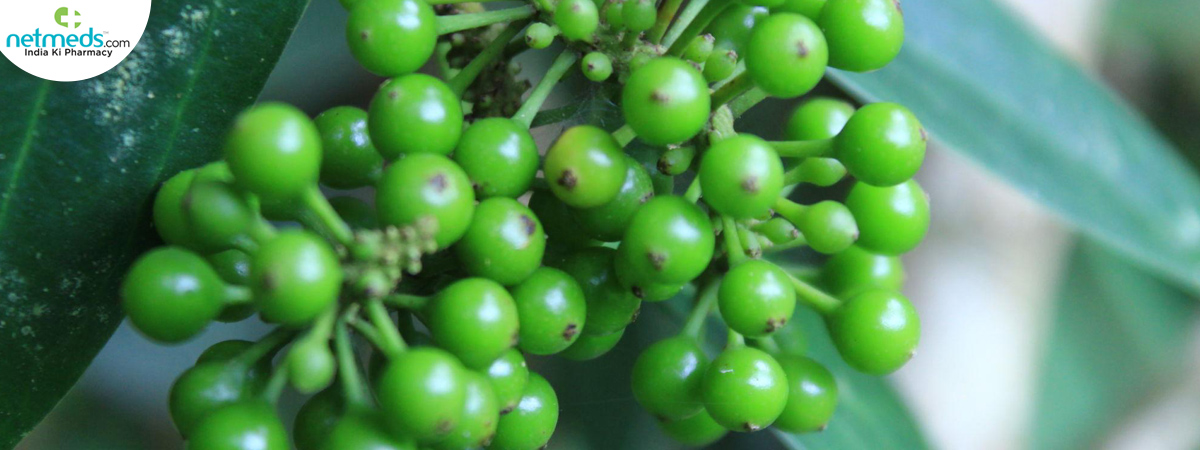
What Is Kankola (Piper cubeba)?
Kankola, scientifically known as Piper cubeba, belongs to the Piperaceae (pepper) family and is commonly referred to as cubeb or tailed pepper. It is native to Indonesia but has been widely used in Ayurvedic and Unani systems of medicine.
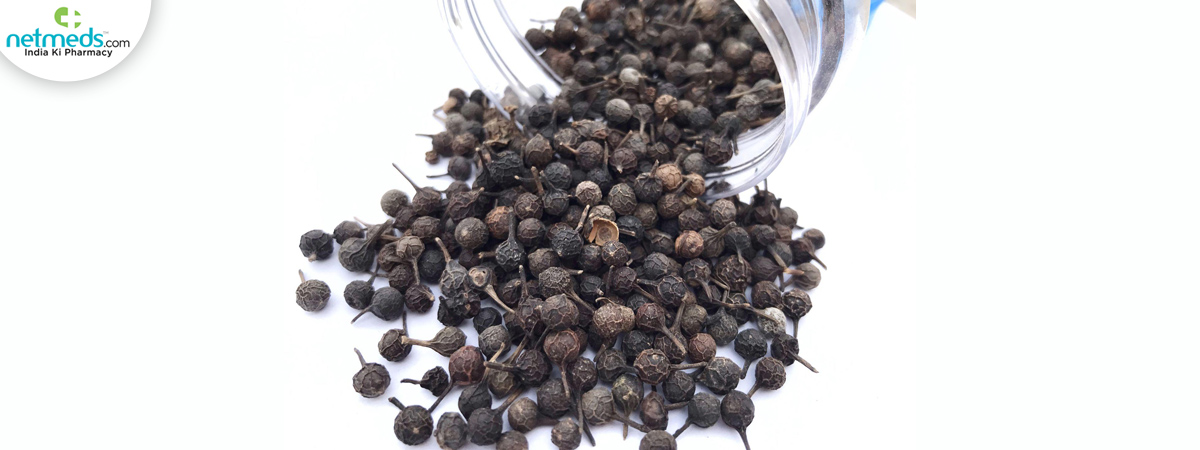
The dried fruits (berries) of the plant are primarily used for medicinal purposes. These berries resemble black pepper but have a small “tail,” which gives them their distinctive name.
In Ayurveda, Kankola is valued for its deepana (appetite-stimulating), pachana (digestive), and shodhana (cleansing) properties. It is often included in herbal formulations to support respiratory health, urinary wellness, and digestive balance.
Plant Description Of Kankola
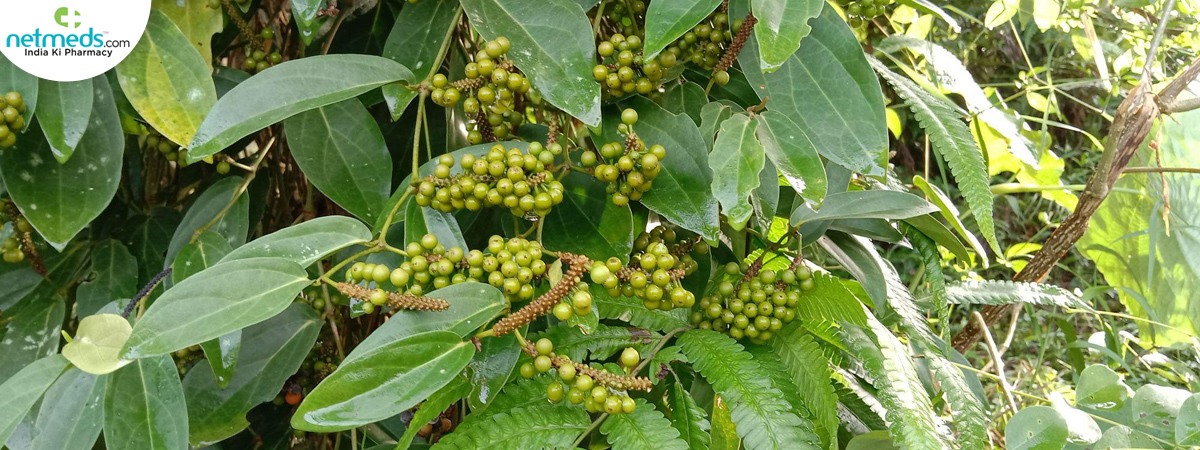
Kankola is a climbing perennial plant that thrives in tropical and subtropical climates. It is commonly found growing in humid forest regions.
Stem: Woody, climbing vine with slender branches
Leaves: Heart-shaped, dark green, smooth, and aromatic
Flowers: Small, pale, and arranged in spikes
Fruits: Small, round berries with a characteristic tail-like stalk
Seeds: Aromatic with a slightly bitter, peppery taste
The berries are harvested when mature and then dried, which enhances their medicinal potency and aroma.
Vernacular And Other Names Of Kankola
Scientific Name: Piper cubeba
English Name: Cubeb Pepper / Tailed Pepper
Sanskrit: Kankola
Hindi: Kababchini
Tamil: Valmilagu
Telugu: Tokamirin
Kannada: Kankola
Malayalam: Kankolam
Marathi: Kababchini
Gujarati: Kababchini
Kankola Medicinal Qualities
Kankola is rich in several bioactive compounds that contribute to its therapeutic effects:
Essential oils
Alkaloids
Lignans (like cubebin)
Flavonoids
Antioxidants
These compounds give Kankola its anti-inflammatory, antimicrobial, digestive, expectorant, and detoxifying properties, making it a versatile herb in traditional medicine.
Kankola Ayurvedic Properties
In Ayurveda, Kankola is known for its warming and stimulating nature.
Rasa (Taste): Katu (pungent), Tikta (bitter)
Guna (Quality): Laghu (light), Tikshna (sharp)
Virya (Potency): Ushna (hot)
Vipaka: Katu (pungent post-digestive effect)
Dosha Action:
Balances Vata
May increase Pitta if consumed excessively
These properties make it particularly useful for clearing congestion, improving digestion, and stimulating metabolism.
10 Amazing Health Benefits Of Kankola
Supports Digestive Health
Kankola is widely known in Ayurveda for its deepana (appetite-stimulating) and pachana (digestive) properties. It helps stimulate digestive enzymes, making it easier for the body to break down complex foods. This can be especially beneficial for individuals dealing with bloating, sluggish digestion, gas, or a feeling of heaviness after meals. By improving digestion, Kankola also enhances nutrient absorption, which supports overall vitality and gut health in the long run.
Also Read: 5 Herbs For A Healthy Digestive System
Boosts Respiratory Wellness
Kankola acts as a natural expectorant, helping to loosen and expel mucus from the respiratory tract. This makes it particularly helpful in managing cough, cold, bronchitis, and mild asthma symptoms. Its warming nature soothes the throat, reduces irritation, and supports clearer breathing. Regular use in herbal formulations may help maintain lung health, especially during seasonal changes when respiratory issues are more common.
Also Read: Respiratory Health: 5 Incredible Herbs To Boost Your Lung Power
Bolsters Metabolism
Due to its ushna (heating) potency, Kankola helps stimulate metabolic processes in the body. A well-functioning metabolism ensures efficient energy production and better utilization of nutrients. This can be beneficial for individuals experiencing fatigue, low energy, or slow metabolism. By supporting metabolic balance, Kankola may also assist in maintaining a healthy body weight when combined with a balanced diet and lifestyle.
Acts As A Natural Detoxifier
Kankola supports the body’s natural detoxification mechanisms by promoting proper digestion and elimination. In Ayurveda, toxins (Ama) are often formed due to poor digestion, and Kankola helps prevent this buildup. It may also support liver function, which plays a key role in filtering toxins from the bloodstream. Regular, moderate use can help cleanse the system, leaving you feeling lighter and more energetic.
Promotes Urinary Health
Traditionally, Kankola has been used to support the urinary system by reducing inflammation and encouraging healthy urine flow. It may help in relieving mild urinary discomfort and maintaining urinary tract health. Its antimicrobial properties further support protection against infections, making it beneficial for overall urinary wellness when used appropriately.
Also Read: World Kidney Day 2021: 7 Astonishing Ayurvedic Herbs To Uplift Renal Functions
Exhibits Antimicrobial Properties
Kankola contains essential oils and bioactive compounds like cubebin, which are known for their antimicrobial activity. These compounds help fight harmful bacteria, fungi, and pathogens that can cause infections. This makes Kankola useful in supporting immune health and preventing minor infections, particularly those affecting the respiratory and digestive systems.
Relieves Inflammation
The anti-inflammatory properties of Kankola may help reduce pain, swelling, and stiffness in joints. It can be particularly helpful for individuals dealing with mild inflammatory conditions or discomfort caused by Vata imbalance. By improving circulation and reducing inflammation, Kankola contributes to better joint mobility and comfort.
Supports Oral Health
Kankola has traditionally been used in herbal formulations for maintaining oral hygiene. Its antimicrobial nature helps combat bacteria that cause bad breath, gum infections, and oral discomfort. It may also help reduce inflammation in the gums and promote a cleaner, fresher oral environment when used as part of herbal oral care practices.
Improves Blood Circulation
The warming effect of Kankola helps stimulate blood circulation, ensuring that oxygen and nutrients are efficiently delivered to various tissues in the body. Improved circulation supports better organ function, enhanced energy levels, and quicker recovery from fatigue. It may also help reduce feelings of coldness and sluggishness often associated with poor circulation.
Enhances Skin Health
Kankola’s detoxifying and antimicrobial properties play a role in improving skin health from within. By helping eliminate toxins and supporting proper digestion, it may reduce the likelihood of skin issues like dullness, acne, and minor infections. Additionally, improved circulation ensures better nourishment of skin cells, contributing to a healthier, more radiant complexion over time.
Kankola Dosage
The dosage of Kankola depends on individual health conditions and should ideally be taken under professional guidance.
General Guidelines:
Powder (Churna): 250 mg to 1 gram once or twice daily
Decoction: Prepared under supervision
In formulations: As prescribed by an Ayurvedic practitioner
It is commonly consumed with honey, warm water, or ghee to enhance its effects.
Kankola Side Effects And Precautions
Kankola is generally safe when consumed in moderate amounts, but excessive intake may lead to certain issues.
Possible Side Effects:
Gastric irritation
Burning sensation due to its heating nature
Increased Pitta symptoms (acidity, heat)
Precautions:
Avoid excessive consumption
Not recommended for individuals with high Pitta imbalance
Pregnant and breastfeeding women should consult a doctor
People with chronic illnesses should seek medical advice before use
Proper dosage and guidance ensure safe and effective usage.
Conclusion
Kankola (Piper cubeba) is a powerful yet underrated Ayurvedic herb that offers a wide range of health benefits, from improving digestion and respiratory health to supporting detoxification and immunity.
Its warming and stimulating properties make it especially useful for balancing Kapha and Vata doshas, while its rich phytochemical profile enhances its therapeutic potential. Whether used in herbal remedies or traditional formulations, Kankola continues to hold relevance in modern wellness practices.
However, like all potent herbs, it should be used mindfully and preferably under expert guidance to ensure maximum benefits without unwanted effects.
References:
https://www.ncbi.nlm.nih.gov/pmc/articles/PMC3215357/
https://www.sciencedirect.com/topics/pharmacology-toxicology-and-pharmaceutical-science/piper-cubeba
 Previous