Packaged noodles, biscuits, chips, sugary cereals, flavoured drinks and ready-to-eat snacks are convenient and often popular with children. But when ultra-processed foods (UPFs) regularly replace nutritious whole or minimally processed foods, they may affect overall diet quality and long-term health.
Not every packaged food is unhealthy, and occasional treats can fit into a balanced diet. The bigger concern is when UPFs become a major part of a child's everyday meals.
Also Read: The Hidden Dangers Of Ultra-Processed Foods: Tips to Stay Healthy
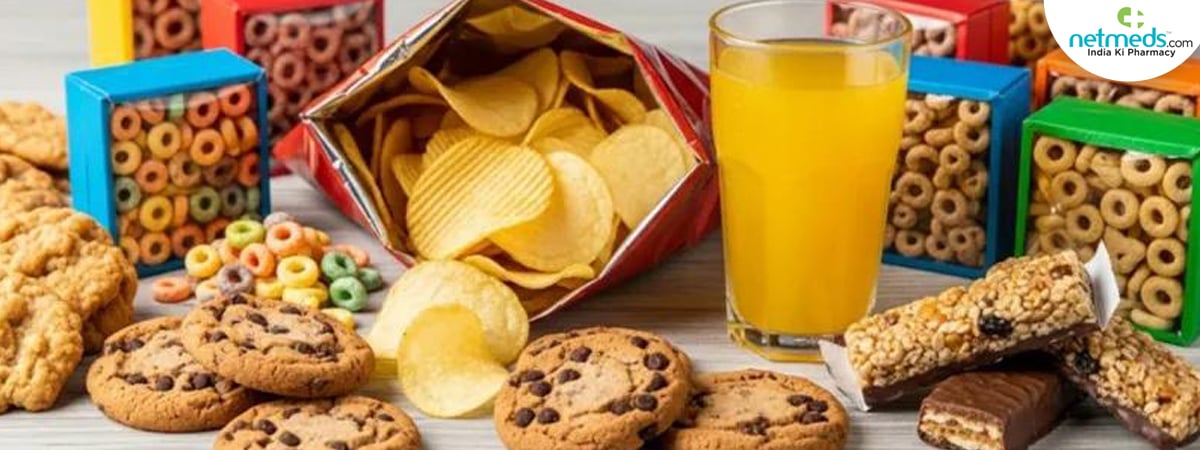
What Are Ultra-Processed Foods?
Ultra-processed foods are highly formulated products that often contain several industrial ingredients and additives. Common examples include:
Packaged biscuits and cookies
Chips and savoury snacks
Instant noodles
Sugary beverages
Candy and confectionery
Packaged cakes and pastries
Some ready-to-eat meals and processed meats
However, food processing itself isn't necessarily unhealthy. Plain yoghurt, pasteurised milk, frozen vegetables and minimally processed whole-grain bread can still be nutritious choices.
Also Read: Junk Food Vs Healthy Food: Advantages, Disadvantages And Healthier Food Choices
Why Are Children Attracted To Ultra-Processed Foods?
UPFs are often designed to be convenient, colourful and highly palatable. Their sweet or savoury flavours and appealing textures can make them particularly attractive to children.
Frequent consumption may also reduce a child's appetite for nutrient-rich foods such as fruits, vegetables, pulses and whole grains.

How Can Ultra-Processed Foods Affect Children's Health?
Leads to Obesity
Many UPFs are energy-dense and can contain considerable amounts of added sugar and fat while providing relatively little fibre. Research has linked higher UPF consumption with increased risk of overweight and obesity in children, although overall diet, physical activity, sleep and other factors also influence weight.
Influences Gut Health
Many ultra-processed foods contain little dietary fibre. In contrast, fruits, vegetables, whole grains and pulses provide fibre that supports a healthy and diverse gut microbiome.
Research is investigating how diets high in UPFs may affect gut bacteria, but evidence in children is still developing.
Displaces Essential Nutrients
Children need protein, iron, calcium, zinc, folate and other nutrients for healthy growth and development. If packaged snacks and sugary drinks regularly replace balanced meals, children may consume fewer essential nutrients.
Affects Metabolic Health
Frequent consumption of foods high in added sugar, refined carbohydrates and excess calories may contribute to unhealthy weight gain and poorer metabolic health over time.
Increases Sodium And Sugar Intake
Chips, instant noodles and savoury packaged foods can contain significant sodium, while sugary cereals, drinks and confectionery can contribute considerably added sugar.
Regularly consuming large amounts of either can contribute to unhealthy dietary patterns and, in the case of sugary foods and drinks, increase the risk of dental caries.
Does This Mean Children Should Avoid All Packaged Foods?
No. The goal isn't to completely ban packaged foods.
Instead, parents can focus on the overall eating pattern. A child who eats nutritious meals most of the time can occasionally enjoy a biscuit, chocolate, cake or favourite snack.
Look at what the food contains and how frequently it is eaten rather than simply whether it comes in a packet.

Simple Ways To Reduce Ultra-Processed Foods
Keep fresh fruits easily accessible.
Offer homemade snacks such as roasted chana, makhana or vegetable sandwiches.
Replace sugary drinks with water or plain milk.
Choose minimally processed breakfast options such as oats or eggs.
Add vegetables and protein to meals such as noodles or pasta.
Read food labels and compare sugar and sodium content.
Avoid using sweets as rewards.
Eat family meals whenever possible.
Introduce new foods gradually without forcing children to eat them.
Build A Balanced Children's Plate
Try including:
Protein: Dal, beans, eggs, fish, chicken, paneer or curd
Whole grains: Oats, brown rice, whole-wheat roti or millets
Vegetables: Seasonal vegetables and leafy greens
Fruits: Fresh seasonal fruits
Healthy fats: Nuts, seeds and suitable cooking oils
The exact nutritional requirements depend on the child's age, growth, activity level and individual health needs.
When Should Parents Seek Professional Advice?
Consult a paediatrician or registered dietitian if your child has:
Significant or unexplained weight changes
Very restricted food preferences
Persistent digestive problems
Signs of nutritional deficiency
Concerns about growth or development
A medical condition requiring a specialised diet
Conclusion
Ultra-processed foods don't need to be eliminated from a child's diet, but they shouldn't replace nutritious everyday meals. Frequent consumption may contribute to poor diet quality, excess calorie intake and potentially poorer metabolic and gut health.
Focus on adding more fruits, vegetables, whole grains, pulses and protein-rich foods while keeping highly processed snacks and sugary drinks as occasional choices. Small, consistent changes can help children develop healthier eating habits for life.
References:
1.Ultra-processed foods and obesity and adiposity parameters among children and adolescents: A systematic review – PubMed
Relevant to your sections on UPFs, weight gain and obesity in children.
2.The impact of ultra-processed foods on obesity and cardiometabolic comorbidities in children and adolescents – PubMed
Useful for claims regarding childhood obesity and cardiometabolic health.
3.Ultra-processed food consumption and the risk of overweight and obesity in adolescents – PubMed, 2026
A recent systematic review and meta-analysis involving 23 studies and approximately 155,000 adolescents.
4.Association between ultraprocessed food consumption and excess adiposity in children and adolescents – PubMed
Useful for your discussion of UPFs and excess body fat, while also reflecting the uncertainty and heterogeneity in the evidence.
5.Consumption of ultra-processed foods and body fat during childhood and adolescence – PubMed
Relevant to packaged snacks, sweetened beverages, ready-to-eat cereals and body-fat outcomes.
6.Effect of ultra-processed food intake on metabolic syndrome components and body fat in children and adolescents – PubMed
Supports the blog's section discussing metabolic health and body composition.
7.The Influence of Ultra-Processed Foods on Inflammation and Metabolic Health in Pediatric Obesity – PubMed, 2026
Particularly useful for your claims about metabolic health and the still-developing evidence around inflammation in children.
8.Unhealthy Food and Beverage Consumption in Children and Risk of Overweight and Obesity – PubMed
Relevant to your discussion of sugary drinks and unhealthy packaged foods and their relationship with childhood weight outcomes.
9.WHO – Healthy Diet
Useful for the sections on balanced children's diets, nutrient-dense foods, fruits and vegetables, and limiting foods high in sugar and salt.
Read WHO's Healthy Diet guidance
10.WHO – Sugars and Dental Caries
Supports the statement about frequent free-sugar consumption and increased risk of dental caries in children.
Read WHO's dental health guidance
 Previous