


Convenience often drives our food choices, and very frequently. The result? From crunchy packaged snacks to frozen ready meals and fizzy drinks, ultra-processed foods have become a go-to for many. Quick, tasty, and hard to put down, of course, they save time, but dependency on them is a sure road to bad health. Weight gain, low energy, and long-term health disorders, to name a few. Understanding the hidden risks of ultra-processed foods is essential before we get used to them.
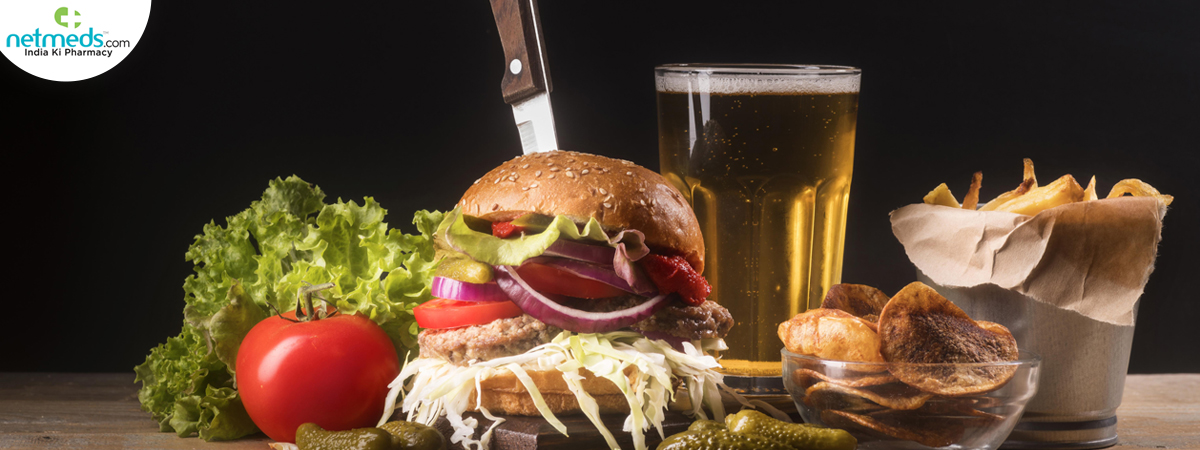
Are you willing to improve your nutrition, wellness, and energy levels by maintaining a balanced, healthy diet? In this blog, let’s explore how to stay aware, plan, and embrace minimally processed foods to create a sustainable path toward wellness. Also, check out tips on making gradual, informed changes in your diet, which can significantly improve your focus and overall health.
Also Read: Ultra-Processed Foods Increase Cancer Risk
What Are Ultra-Processed Foods?
Also called UPFs, Ultra-processed foods are industrially manufactured foods containing multiple ingredients, including refined sugars, fats, additives, preservatives and several artificial flavours. Unlike whole foods, they get stripped of natural nutrients and fibre in this process. Common examples of ultra-processed foods include:
· Packaged snacks
· Instant ready-to-eat meals
· Sugary beverages and sodas
· Breakfast cereals with added sugars
· Frozen foods
Combat Chronic Ailments By Supplementing Your Daily Nutrition With These Multivitamins!
What Are The Hidden Health Risks Of Ultra-Processed Foods?
While convenient, ultra-processed foods are calorie-dense but nutrient-poor, meaning they can cause weight gain without providing essential vitamins, minerals, or fibre. And many other problems come later. Here are some of the potential ones:
Nutrient Deficiency
With almost no nutrients, consuming them regularly can lead to deficiencies of vitamins, minerals, and fibre, resulting in weakened immunity, fatigue, and poor overall health.
Excess Sugar, Salt, And Unhealthy Fats
Many UPFs contain high amounts of sugar, sodium, and trans fats. Excess sugar intake can lead to obesity and type 2 diabetes, while high sodium levels contribute to hypertension and cardiovascular disease. Unhealthy fats may raise cholesterol levels and increase the risk of heart disease.
Weight Gain And Metabolic Issues
Ultra-processed foods are designed to be hyper-palatable, making it easy to overeat. Over time, this can lead to insulin resistance, obesity, and metabolic disorders.
Mental Health Impacts
Recent studies suggest diets high in ultra-processed foods may contribute to depression, anxiety, and reduced cognitive function. A healthy diet rich in whole foods can improve both physical and mental well-being.
Long-Term Chronic Diseases
High consumption of UPFs is linked to an increased risk of chronic health problems such as heart disease, certain cancers, and premature death.
Also Read: Diet and Cancer Risk: Can Everyday Foods Help Prevent Cancer?
How to Reduce Consumption of Ultra-Processed Foods and Stay Healthy
Reducing ultra-processed foods doesn’t require a complete lifestyle overhaul but small measures. Here are effective nutrition tips:
Prioritize Whole And Minimally Processed Foods
Focus on vegetables, fruits, whole grains, legumes, nuts, and seeds. These foods are naturally rich in nutrients and fibre, supporting digestion and long-term health.
Cook Meals At Home
Home-cooked meals allow control over ingredients, reducing added sugar, sodium, and unhealthy fats. Even simple meals like salads, stir-fries, and soups can replace ultra-processed options.
Read Food Labels
Check ingredient lists for artificial additives, preservatives, and added sugars. The shorter and more recognizable the list, the better.
Smart Snacking
Swap packaged snacks with healthier alternatives such as fresh fruit, Greek yogurt, homemade energy bars, and raw vegetables.
Gradual Reduction
Cutting all UPFs at once can be overwhelming. Start by replacing one ultra-processed item per day with a healthier alternative.
Stay Hydrated
Water helps balance the excess sodium and sugar found in many ultra-processed foods and supports metabolism.
References:
The Hidden Dangers of Fast and Processed Food
Joel Fuhrman,
https://pmc.ncbi.nlm.nih.gov/articles/PMC6146358/
https://www.healthcoachesacademy.com/post/the-hidden-dangers-the-pitfalls-of-ultra-processed-foods-on-our-health
 Previous


