Oats and muesli are highly valued and wholesome breakfast options for those aiming to lose weight or uplift overall well-being. Though they look alike, they entirely differ in composition, nutritional content and how they impact your fitness and health goals. These nutritious cereal options offer you a wealth of nutrients and incredible health benefits. However, understanding their differences can help you make an informed decision that aligns with your lifestyle and health goals.
To Optimise Your Overall Health, Shop From Our Wide Range Of Health Essentials
What Are Oats and Muesli?
Oats
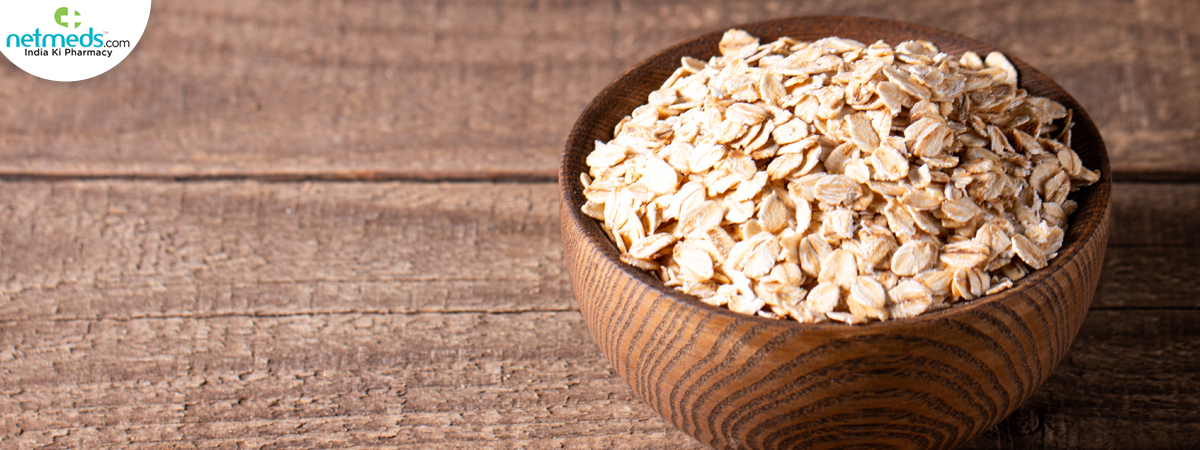
Oats are a natural whole grain available in their purest form. They are minimally processed, ensuring they retain their bran, germ and endosperm layer, all of which are brimming with nutrients, dietary fibre and free from added sugar. Oats are available in different types, including rolled oats, steel-cut oats and instant oats. The wholesome quality of oats makes them a staple food in cuisines across the globe.
Muesli
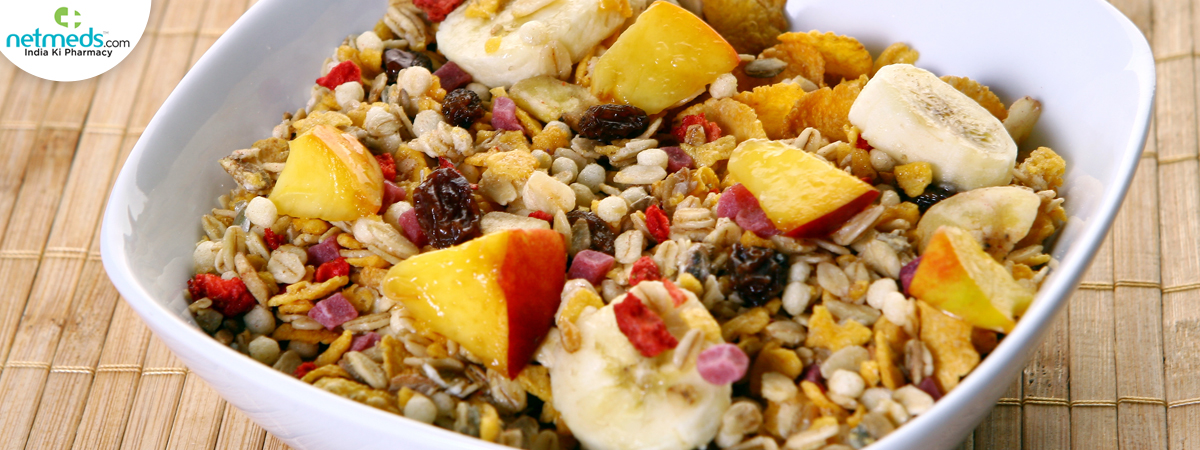
Muesli, on the other hand, is a harmonious blend of various components, typically including oats, nuts, seeds, dried fruits, and sometimes other grains like wheat or barley are added. You can enjoy muesli raw or cooked, giving you versatility in your breakfast choices. Muesli, like oats, is a valuable source of fibre, protein, healthy fats, and a wide array of vitamins and minerals. A typical muesli contains rolled oats, nuts, seeds and dried fruits.
A few commercially available versions may also contain added sugar, oils, or preservatives.
Nutrition Comparison (Per 100 g)
Nutrient
Oats (100 g)
Muesli (100 g)
Calories
380–400 kcal
350–450 kcal (varies by brand)
Carbohydrates
66 g
55–70 g
Fiber
10 g
7–12 g
Protein
11–17 g
8–12 g
Fat
7 g
5–15 g (due to nuts/seeds)
Sugar
0 g
5–25 g (depends on added sugar/dried fruit)
Health Benefits
Benefits of Oats
Being intrinsically high in soluble fibre (beta-glucan), adding oats to your regular diet regimen reduces cholesterol levels and maintains lipid profile.
The richness of fibre and whole grain composition improves digestion, regularises bowel movements and prevents constipation
The dense profile of nutrients and dietary fibre keeps you full longer, reduces unwanted cravings and supports weight loss.
The presence of complex carbs and fibre in oats controls blood sugar levels, and it is a great option for diabetics.
Naturally gluten-free, it is a perfect choice for those with gluten intolerance and inflammatory bowel diseases. However, avoid cross-contaminated brands.
Benefits of Muesli
Packed with good amounts of nuts and seeds, it delivers healthy fats and protein that improve overall health and boost energy levels.
Contains vast reserves of dried fruits that offer natural sweetness and a rich array of micronutrients, which boost immunity and maintain iron levels.
A dense nutrient profile serves as the best option for a wholesome breakfast, simple and easy to make, convenient and no cooking needed. However, health value depends on the muesli type. Unsweetened ones are a healthier choice than flavoured and sugary muesli, which is high in calories and sugar content.
Also Read: Oats Idli: Discover The Splendid Health Incentives Of This Desi Breakfast
Which Is Healthier Overall?
Oats are overall healthier than muesli as they are totally devoid of added sugar, high in beta-glucan fibre and low in calories. The nutrient profile of oats is more predictable and promotes better digestion and better cholesterol control. Unsweetened muesli can be as healthy as oats but with added nutritional diversity.
Oats vs Muesli for Weight Loss
Oats are generally better for weight loss because they are lower in calories, totally devoid of sugar, high in soluble fibre and keep you full. The presence of slow-digesting carbs prevents unwanted hunger pangs and reduces overall calorie intake. If you are looking for a convenient breakfast with a variety of flavours and textures, and something quick and ready to eat in the morning, then muesli is the best choice.
How Does Muesli Help in Weight Loss?
Choose unsweetened, low-sugar muesli and maintain portion size to not more than 30- 40 grams per serving. Muesli with more nuts, seeds and fewer dried fruits are better.
Who Should Choose Oats?
People aiming for weight loss, those with diabetes, cholesterol issues and all health-conscious individuals who prefer a low sugar breakfast, oats are the best choice.
Who Should Choose Muesli?
People who want variety in texture and taste, and those looking for protein and healthy fats naturally from nuts and seeds. Muesli is an ideal breakfast for athletes and those who want a quick and energy-dense breakfast on the go.
Conclusion
In the quest for healthy breakfast cereals, both oats and muesli stand out as excellent choices, each offering dense nutrients and distinct health benefits. The best choice for you centres on your tailored dietary needs and preferences. If your goal is weight loss, blood sugar control, or a high fibre breakfast, then oats are a clear winner. On the other hand, if you want a nutrient-dense, tasty, crunchy breakfast and are not focused on calorie restriction, then choose unsweetened muesli.
References:
A Review of Health-Beneficial Properties of Oats
Devendra Paudel 1, Bandana Dhungana 2, Melanie Caffe 2, Padmanaban Krishnan 1,* Oliver Chen
https://pmc.ncbi.nlm.nih.gov/articles/PMC8625765/
Effect of Muesli with 4 g Oat β-Glucan on Postprandial Blood Glucose, Gastric Emptying and Satiety in Healthy Subjects: A Randomized Crossover Trial
Journal of the American College of Nutrition 27(4):470-5
Joanna Hlebowicz
Lund University
https://www.researchgate.net/publication/23445614_Effect_of_Muesli_with_4_g_Oat_b-Glucan_on_Postprandial_Blood_Glucose_Gastric_Emptying_and_Satiety_in_Healthy_Subjects_A_Randomized_Crossover_Trial
 Previous