


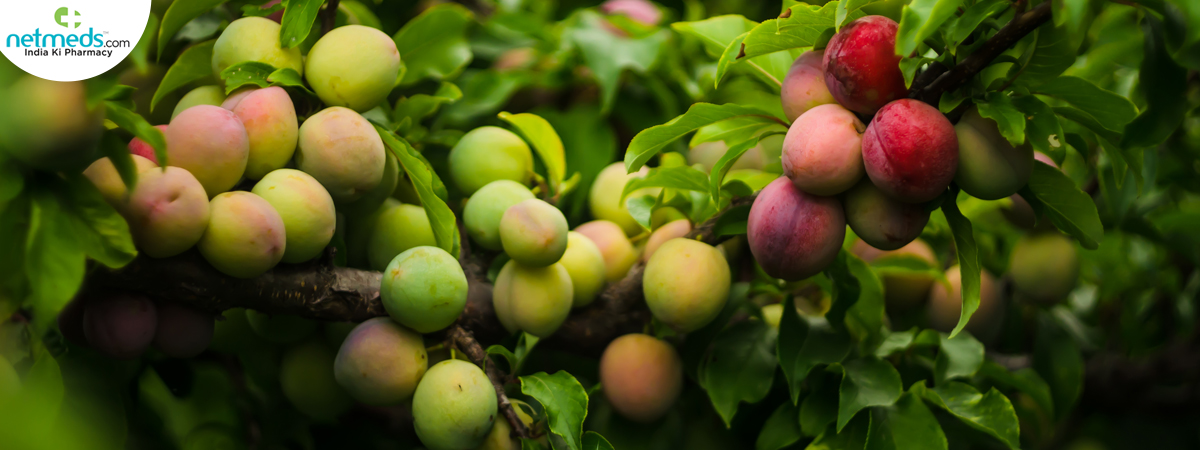
Hog plum, popularly known as Amra, is a tangy tropical fruit that arrives at the onset of monsoon. Renowned for its refreshing taste and exceptional nutritional value, the fruit sometimes gets overshadowed by seasonal fruits. Potential health-promoting properties, a naturally sour flavour, and easy availability make Amra popular as a fruit, in pickles, chutneys, and refreshing beverages.
Also Read: Damson Plum: Health Benefits, Skin Uses, Recipes, And Seasonal Guide
Why Should You Eat Plums?
When the risk of seasonal infections, especially in the rains, increases, adding nutrient-rich seasonal fruits (like hog plum) to your diet can be a wise choice. While not a cure for waterborne infections and illnesses, Amra's abundance of essential nutrients makes it a smart addition to a balanced, healthy lifestyle. Of course, such fruits are a great way to enjoy seasonal eating!
Also Read: Plums For Skin: 5 Extraordinary Beauty Incentives Of This Succulent Prune
Where Is Hog Plum Found?
Hog plum is mainly available in Spondias pinnata and Spondias dulcis varieties, which thrive in humid tropical climates. In India, it is widely found in West Bengal, Odisha, Tripura, Meghalaya, Kerala, Karnataka, Maharashtra, and parts of the Northeastern states. The fruit is also cultivated in Bangladesh, Sri Lanka, Nepal, Thailand, Indonesia, Malaysia, and the Philippines. Its trees flourish during the monsoon season and produce greenish yellow fruits with a pleasantly tangy taste. Fresh Amras are available during the rainy months and are enjoyed both raw and cooked.
(Get Spotless, Radiant Skin With Our Wide Range Of Plum-Infused Skincare Products!)
5 Superb Health Benefits Of Hog Plum
Strengthens Immunity
Hog plum is rich in vitamin C. This nutrient is essential for supporting the natural defence system of our body. Regular consumption can bolster the body’s immune function and fight oxidative stress caused by free radicals. This makes it particularly helpful during monsoon-related illnesses.
Promotes Healthy Digestion
A great source of dietary fibre, hog plum helps in encouraging regular bowel movements and nourishing beneficial gut bacteria. The fruit and its extracts can also aid digestive health, making it a valuable seasonal addition to maintain gastrointestinal health.
Supports Heart Health
The fruit contains potassium and antioxidant compounds that can contribute to better cardiovascular health. Potassium helps maintain normal blood pressure, while antioxidants reduce oxidative stress. Including hog plum as part of a balanced diet may help support long-term heart health.
Helps Fight Oxidative Stress
Amra is also rich in polyphenols, flavonoids, and other beneficial antioxidants. All these protective compounds help minimise all kinds of damage to cells, support healthy ageing, thus actively contributing to overall wellness.
Enhances Skin Health
Collagen synthesis is a major factor in maintaining skin firmness and elasticity. Vitamin C is crucial for collagen. A great source of this Vitamin, hog plum may help protect skin cells from environmental damage while supporting natural skin repair, giving your skin a healthier appearance from within.
Precautions When Eating Hog Plums
A highly nutritious and versatile fruit, hog plum must be eaten in moderation. Excessive consumption can irritate people with acid reflux, gastritis, stomach discomfort, or diarrhoea due to its fibre content. Before eating, wash well to remove pesticide residues and dirt. Avoid consuming spoiled or overripe fruits. People with chronic digestive disorders should consult a healthcare professional before making hog plum a regular part of their diet.
Conclusion:
A nutritious seasonal fruit that offers far more than its tangy flavour, Amra is rich in vitamin C, dietary fibre, antioxidants, and essential minerals; it can support immunity, digestion, heart health, and overall wellness during the monsoon season. Whether enjoyed as a raw fruit, as a pickle, chutney, or a beverage, Amra makes a wholesome addition to a balanced diet. However, consuming it in moderation can help you reap its wellness benefits.
References:
https://pmc.ncbi.nlm.nih.gov/articles/PMC9498388/
https://pmc.ncbi.nlm.nih.gov/articles/PMC3722408/
 Previous


