


Turning 50 marks a powerful new phase of a woman's life. And while it comes with admirable positives and brings certain changes along the way, something that cannot be ignored. Unique nutritional needs. After fifty, muscle mass naturally declines, nutrient absorption slows, and the risk of lifestyle-related conditions increases. What you eat now directly impacts how strong, energetic, and independent you feel in the years ahead. Nutrition after 50 is about nourishment and fuelling your body with the right foods to support healthy ageing, resilience, and a vibrant, active lifestyle every day, and is non-negotiable! Also, smart nutrition can help manage menopause-related changes, support immunity, protect bones, and maintain mental clarity.
Also Read: Garden Cress Seeds: Tiny Nutrient Powerhouses
Why Nutrition Matters After 50?
After 50, a woman’s body goes through hormonal, metabolic, and structural changes directly affecting health and quality of life in umpteen ways. Good nutrition becomes a foundation for staying active, independent, and energetic. The right foods help manage menopause-related changes, support immunity, protect organs, and prevent chronic conditions. Here is what needs to be taken care of:
Bone Health
With declining estrogenic levels, women are more prone to osteoporosis after 50. Adequate calcium, vitamin D, magnesium, and phosphorus from foods like leafy greens, seeds, dairy, and nuts help maintain bone density, reduce fracture risk, and support long-term skeletal strength.
Heart Health
Heart disease risk rises significantly after menopause. A diet rich in omega-3 fatty acids, fibre, antioxidants, and healthy fats helps manage cholesterol, reduce inflammation, and regulate blood pressure, keeping the heart strong and circulation healthy.
Hormonal Balance
Although menopause marks major hormonal shifts, nutrition plays a key role in balance. Foods rich in phytoestrogens, healthy fats, and micronutrients support endocrine function, ease symptoms like mood swings and fatigue, and promote overall hormonal stability.
Digestive Gut Health
Digestion often slows with age, affecting nutrient absorption. Probiotic-rich foods, fibre, and fermented options support gut health, improve digestion, prevent bloating and constipation, and strengthen immunity by maintaining a healthy gut microbiome.
Energy, Muscle, And Immunity
Loss of muscle mass and low energy are common after 50. Adequate protein, iron, B vitamins, and antioxidants help preserve muscle strength, boost metabolism, support immune defence, and maintain consistent energy levels for daily activities.
Also, Checkout: 5 Fruits Abundant In Vitamin C To Bolster Immunity - Infographics
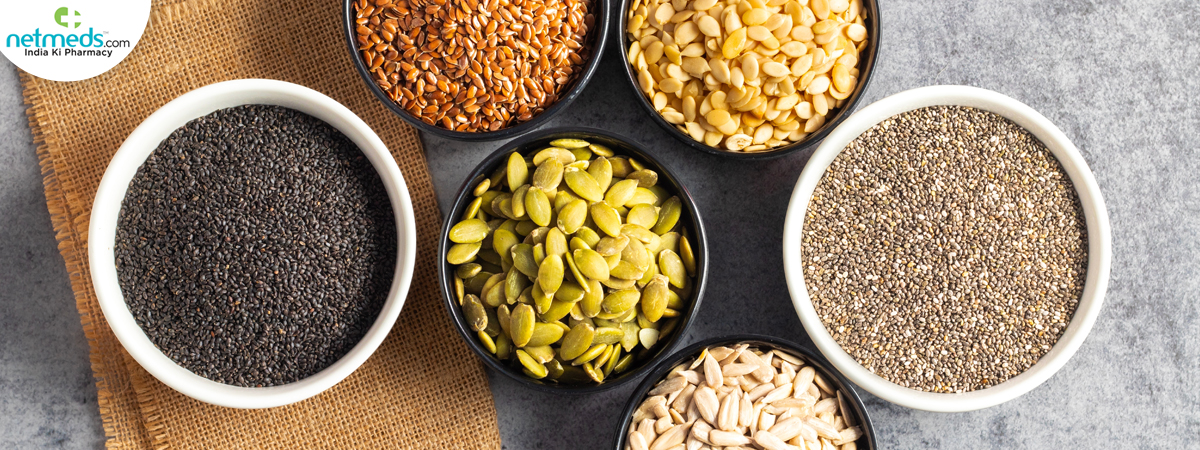
With a wide range of health benefits and packed with healthy fats, protein, fibre, vitamins, and minerals, why not include the following nuts and seeds in your diet for energy, immunity, and overall wellness naturally?
Almonds
Soaked almonds provide magnesium and phosphorus, supporting bone density, improving hormonal balance, and promoting sustained energy after fifty.
Dates
Due to their high iron content, dates provide natural energy, improve digestion, boost iron levels, strengthen the immune system, and promote overall well-being. Watching excessive intake is important.
Flaxseed
Flaxseeds support heart health, improve digestion, supply significant omega-3s, and help manage cholesterol levels.
Pumpkin Seeds
Pumpkin seeds paired with any fruit provide zinc, fibre, and antioxidants, supporting immunity, heart health, and healthy metabolism.
Sesame
Consuming sesame seeds at night or in the early morning can boost calcium absorption, support bone health, and aid in muscle relaxation during sleep naturally.
References:
Consumption of Nuts and Seeds and Health Outcomes Including Cardiovascular Disease, Diabetes and Metabolic Disease, Cancer, and Mortality: An Umbrella Review
Rajiv Balakrishna, Tonje Bjørnerud
https://pmc.ncbi.nlm.nih.gov/articles/PMC9776667/
https://www.phytojournal.com/archives/2025/vol14issue1/PartB/14-1-6-618.pdf
 Previous


