Most people these days complain about tooth sensitivity, thinning enamel or chipped edges; these are conditions that were once linked with ageing or neglect. However, dentists reveal that they are seeing a different pattern and spike in these cases among young people. As per reports, about 27% of dental patients in India are showing signs of enamel erosion, and the number is climbing.

(To Flaunt A Beautiful Smile And Maintain Your Dental Health, Shop From Our Broad Spectrum of Dental Care Products)
And the most surprising part is that these damages are self-induced, not through lack of care, but through repeated daily habits, though harmless, that can slowly damage teeth and gums. Even people who brush regularly may unknowingly follow routines that weaken their dental health over time. Understanding these habits is the first step toward preventing cavities, gum disease, and tooth sensitivity.
5 Daily Habits That Damage Dental Health
Brushing Too Hard / Using A Hard-Bristled Toothbrush
Many people believe that brushing harder cleans teeth better. Aggressive brushing can really damage enamel and irritate gums.
Why does it harm dental health?
Wears down protective enamel and the crucial layer that protects teeth, resulting in gum recession and tooth sensitivity.
Alternative
Go for a soft-bristled toothbrush and gentle circular motions. The right brushing technique is more important than pressure.
Frequent Snacking/ Drinking Sugary Beverages
Consumption of junk and ultra-processed foods loaded with sugars or drinking carbonated and sugary beverages exposes teeth to continuous acid attacks.
Why does it harm dental health?
Sugar feeds harmful oral bacteria that damage the cavities and increase the risk of cavities. Excess acid secretions erode and weaken enamel, resulting in sensitive gums.
This includes fruit juices, flavoured water, sports drinks, and even sweetened tea or coffee.
Alternative
Restrict snacking between meals and drink plain water to help neutralise acids.
Skipping Flossing / Tongue Cleaning
Brushing alone cleans only about 60% of tooth surfaces. While food particles and plaque remain between teeth and on the tongue.
Why does it harm dental health?
Plaque buildup between teeth causes cavities, and bacteria on the tongue lead to bad breath. This eventually increases the risk of gum disease.
Alternative
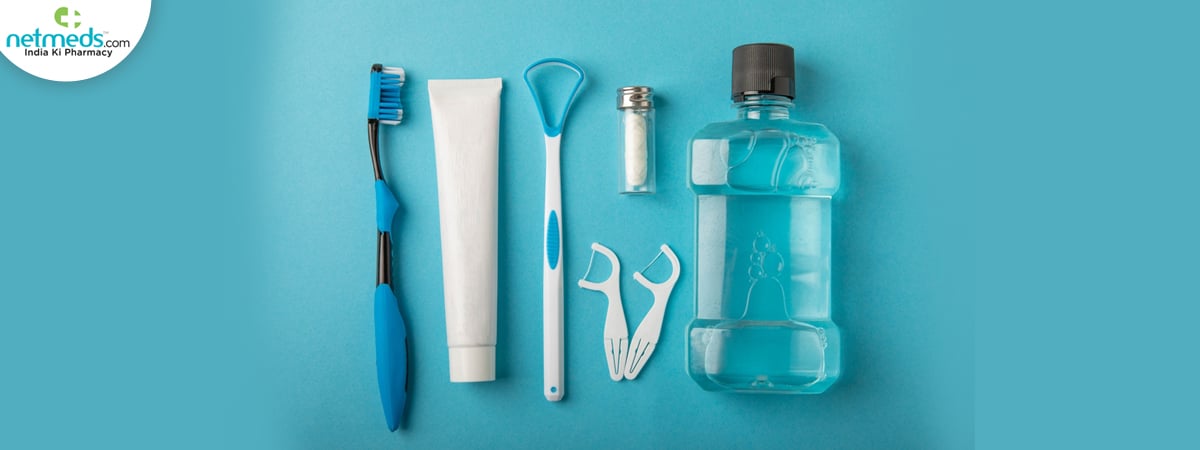
Floss once daily and gently clean your tongue using a tongue scraper or soft brush.
Also Read: National Toothache Day 2025: Theme, Significance, and 5 Ways to Maintain Dental Health
Using Teeth as Tools
Most of us have a habit of biting nails, chewing pens, opening packages or breaking nuts with teeth which may seem harmless, but it can result in serious dental problems and damage the enamel.
Why does it harm dental health?
These habits can lead to chipped or cracked teeth and weakened tooth structure. Moreover, it can also damage dental corrections.
Alternative:
Use correct tools and avoid exerting unnecessary pressure on your teeth.
Ignoring Early Warning Signs
Many people ignore minor dental issues until pain becomes more intense and unbearable. Common warning signs include bleeding gums, bad breath, tooth sensitivity and mild toothache.
Why does it harm dental health?
Delaying treatment may result in small problems turning into infections, cavities, or gum disease.
Alternative
Schedule regular dental check-ups and seek prompt dental care and treatment when symptoms appear.
Conclusion
Your regular habits play a crucial role in maintaining strong teeth and healthy gums. Brushing gently, limiting sugar intake, flossing regularly, and paying attention to early warning signs can prevent most dental issues.
Additionally, using specially formulated enamel protection toothpastes provides more benefits than just cleaning. These toothpastes actively remineralise the enamel surface, restore its hardness, and shield it from daily acid wear. Making a simple shift ensures that your daily brushing routine not only keeps teeth looking clean but also strengthens them against long-term damage.
References:
Damaging Oral Habits
Rajesh J Kamdar 1,✉, Ibrahim Al-Shahrani 2
https://pmc.ncbi.nlm.nih.gov/articles/PMC4409805/
https://jada.ada.org/article/S0002-8177(14)64690-0/fulltext
 Previous