


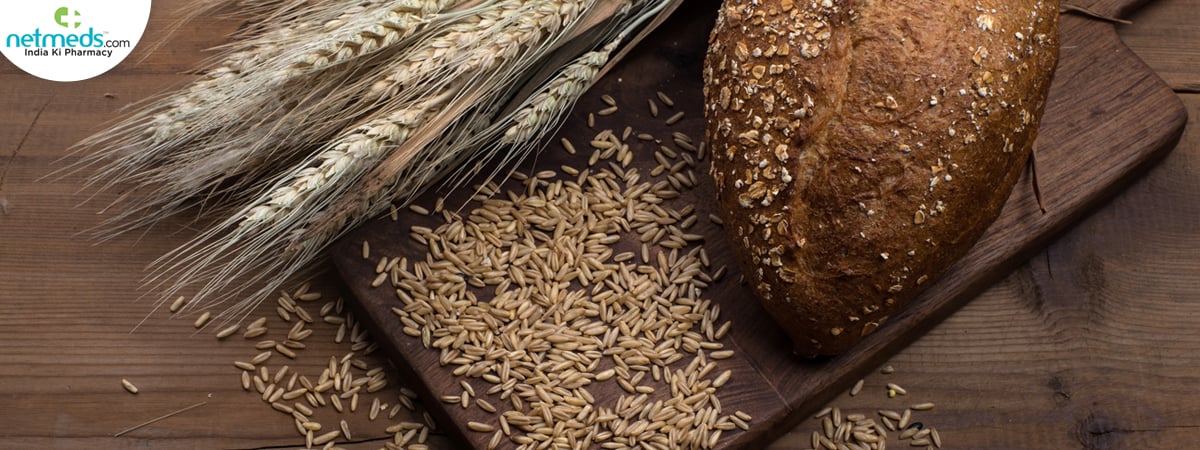
What if one of the oldest varieties of wheat could add something different to your everyday plate? Have you heard of Einkorn wheat? Often described as a superfood and a nutrient-dense heritage grain, this grain is gaining attention among people who prefer wholesome yet minimally processed foods. Unlike many modern wheat varieties, this staple food has retained much of its original genetic characteristics over the years. These bright golden grains with a distinctive nutty flavour are perfect for meals, from rotis and breads to porridge and salads.
But what makes einkorn wheat beneficial? Is it different from conventional wheat? Well! In many aspects, it is. Let’s explore einkorn health benefits, culinary uses of einkorn wheat, and an easy Indian-inspired einkorn recipe, along with some necessary precautions before you decide to add einkorn to your daily diet
Also Read: Wheat For Gut Health: 5 Types, Health Benefits, Precautions And FAQs Explained
(Choose From Our Wide-Range Of Nutritional Products Today To Promote Overall Health And Wellness!)
What Is Einkorn Wheat?
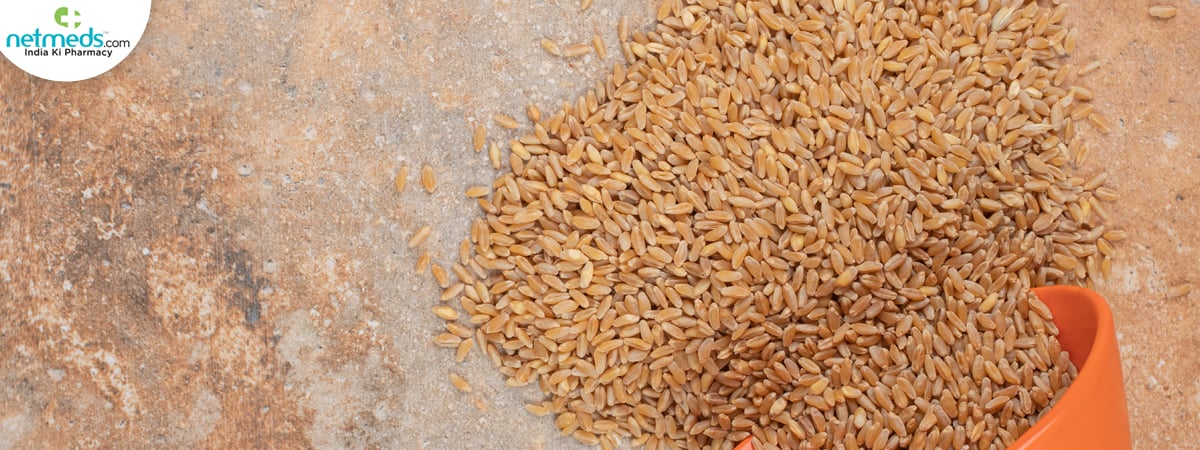
Einkorn is an ancient wheat species (scientifically known as Triticum Monococcum) and is considered one of the earliest forms of wheat and has been cultivated since ancient times. Its nutritional composition can vary depending on growing conditions, processing, and preparation. The grain is smaller than regular wheat with a characteristic golden appearance. The wheat can add a distinctive taste to baked goods and traditional recipes because of its mildly sweet, nutty flavour.
Einkorn is available in the following forms:
- Whole einkorn grains
- Einkorn flour
- Einkorn pasta
- Einkorn bread
- Einkorn-based baked products
History Of Einkorn Grain: From Ancient Fields To Modern Plates
Einkorn is one of the oldest cultivated forms of wheat and has a history dating back thousands of years. It is believed to have been domesticated in the Fertile Crescent of the Near East, a region covering parts of modern-day Turkey, Syria, Iraq, Jordan, and surrounding areas. Archaeological and agricultural evidence places einkorn among the early crops associated with the development of farming in this region.
Wild einkorn (Triticum boeoticum) is particularly associated with Anatolia in present-day Turkey, where diverse wild populations still occur. Turkey also continues to have small-scale cultivation of einkorn, particularly in regions such as Kastamonu.
As early farming communities migrated and agriculture expanded, einkorn spread beyond its original homeland into parts of Europe and the Mediterranean region. Today, cultivated einkorn remains a relatively minor crop compared with modern bread wheat. It is grown in Turkey, parts of Italy, the eastern Mediterranean, and Ethiopia, with smaller-scale cultivation also reported in India.
Although modern wheat varieties became dominant because of their higher yields and suitability for large-scale farming, einkorn survived in some traditional agricultural communities. Its long history and distinctive nutritional and culinary characteristics have renewed interest in this ancient grain.
Also Read: Barley: Know Why You Should Include This Whole Grain In Daily Diet
Einkorn Grain Nutrition And Health Benefits
Here comes the most important question. Why Add This Ancient Wheat To Your Diet? A plant-based protein and replete with essential minerals and antioxidant compounds, einkorn wheat is an interesting addition to a balanced, nutrient-rich diet with the following health benefits to offer:
High Source Of Dietary Fibre
Whole einkorn contains a high amount of dietary fibre, thus supporting healthy digestion and contributing to overall gut health. Choosing whole einkorn rather than highly refined grain products can be a great way to increase overall daily dietary fibre intake.
Contains Plant-Based Protein
Einkorn provides protein, which is an essential nutrient for maintaining several body functions. Although wheat-based foods should not be considered a complete protein source on their own, combining einkorn with foods such as dal, beans, lentils, curd, paneer, nuts, or seeds can create a more balanced meal and help in plant-based protein consumption.
Supplies Essential Micronutrients
Einkorn contains several micronutrients, including minerals such as iron, magnesium, zinc, and phosphorus in significant amounts. While the quantity may vary according to the grain and processing method, they are all present in some amount in this grain.
These nutrients play an important role in several physiological processes, such as energy metabolism, bone health, and promoting the body’s immune function
Rich In Natural Antioxidant Compounds
Whole grains contain a range of naturally occurring plant compounds that have antioxidant properties. This can be helpful to protect cells from oxidative stress. Research has examined the phenolic compounds and other bioactive components that make Einkorn grain particularly interesting.
Adds Variety To A Healthy Diet
Einkorn offers many simple ways to consume whole grains, and thus this superfood comes with nutritional advantages. Eating a varied diet that includes different whole grains, vegetables, legumes, fruits, and nuts is known to provide a broader range of nutrients. However, instead of replacing every grain with einkorn, it can be incorporated occasionally alongside other nutritious grains.
Also Read: Whole Grain Cereal: Nutrition, Types, Health Benefits And Side Effects
How Can Einkorn Be Used In Daily Cooking?
Yes, in many ways you can use this grain. Einkorn is surprisingly versatile. Einkorn flour can be used to prepare rotis, parathas, pancakes, muffins, and homemade bread. Whole einkorn berries can be cooked and added to salads, grain bowls, soups or vegetable preparations. The flour has a naturally nutty flavour, so it can also work well in savoury Indian dishes. When using einkorn flour for baking, remember that it behaves differently from modern wheat flour and can produce a softer or more delicate dough. Start with familiar recipes and adjust the liquid gradually rather than substituting einkorn flour in the same quantity without testing.
Also Read: Wheat vs Oats: Which Whole Grain is Healthier for Older Adults?
For those looking to experiment with traditional grains, einkorn benefits and uses make it an interesting ingredient to explore. It can be milled into flour or cooked as a whole grain, making it suitable for both sweet and savoury dishes. Learn how to make a simple einkorn Indian recipe with this superfood.
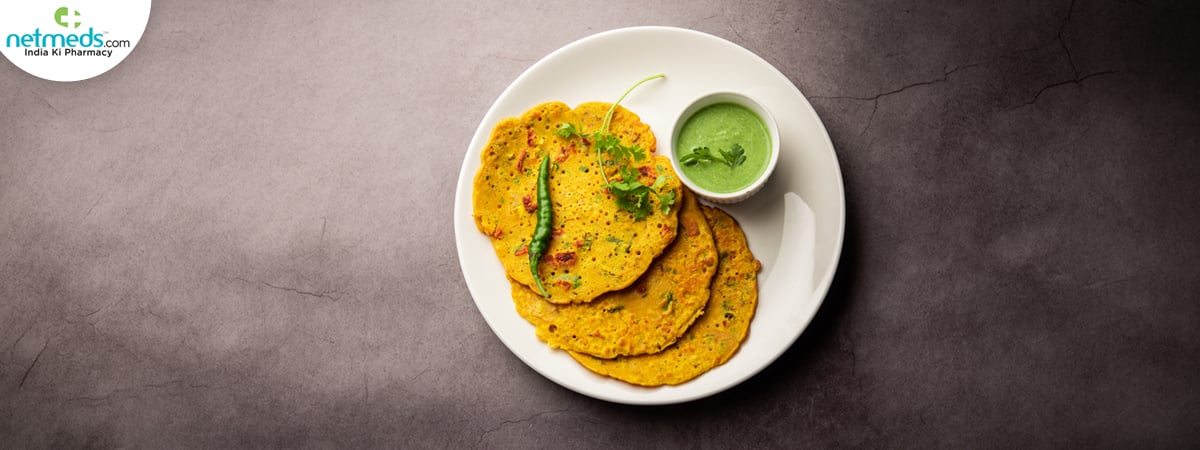
Indian Einkorn Vegetable Cheela Recipe
Give traditional Indian breakfast a nutritious twist with this simple einkorn vegetable cheela.
Ingredients
- 1 cup einkorn flour
- ½ cup finely chopped onion
- ½ cup grated carrot
- ¼ cup finely chopped capsicum
- 1 small green chilli, finely chopped
- 2 tbsp fresh coriander, chopped
- ½ tsp cumin seeds
- ¼ tsp turmeric powder
- Salt, to taste
- Water, as required
- 1–2 tsp cooking oil
Method
· Add einkorn flour and cumin seeds to a mixing bowl
· Add onion, carrot, capsicum, green chilli, turmeric, salt and coriander
· Gradually add water and whisk until you get a smooth, pourable batter
· Let the batter rest for about fifteen minutes
· Heat a non-stick or well-seasoned pan and lightly grease it with oil
· Pour batter onto the pan and spread gently into a thin circle keeping it consistent
· Cook over medium heat until the underside turns golden and the edges begin to crisp. Once brown, flip and cook the other side
· Serve hot with plain curd or a vegetable accompaniment
A Pro Tip:
Because einkorn flour has different gluten characteristics from modern wheat, avoid making the batter excessively thin.
Also Read: Maida vs. Wheat Flour: Differences, Which Is Bad for Gut Health? Find Out Here
Things To Keep In Mind Before Eating Einkorn
Einkorn can be a nutritious alternative for people who want to diversify their grain intake. Though it has potential benefits when added to a balanced diet, but despite its nutritional appeal, einkorn is not suitable for everyone. Here is what you should keep in mind:
Einkorn Has Gluten
People with coeliac disease or medically diagnosed gluten-related disorders should avoid it unless advised otherwise by their healthcare professional.
Einkorn Is High In Carbohydrates
Einkorn is still a wheat-based grain and contributes carbohydrates and calories to the diet. Before adding it to a regular diet, always check portion sizes
Introduce Einkorn Gradually
If you are unfamiliar with whole grains, gradually increasing fibre intake may be more comfortable for digestion. Einkorn grains and other less-refined flour generally retain more of the grain's components than highly refined products. But add them gradually to your diet
Do Not Assume Ancient is Healthier
Einkorn has an interesting nutritional profile, but calling it an ancient grain does not automatically make it superior to all modern wheat varieties. Make a choice based on your age, diet, and other factors.
Also Read: Durum Wheat/Semolina Flour: Health Benefits, Nutrition, Recipes and Contraindications
Einkorn Vs Regular Wheat: Which Is Better?
Einkorn differs from commonly cultivated modern wheat in its genetics, grain structure, and nutritional composition. Some research has found differences in protein, minerals, carotenoids, and antioxidant compounds between einkorn and modern wheat varieties. However, a rare grain does not necessarily mean a better grain for everyone. Overall preparation methods and individual nutritional needs, besides dietary quality and portion size, are important when choosing grains. For most people, the practical advantage of einkorn may simply be the opportunity to add another whole-grain option to your diet instead of switching from your normal diet to this one without any consideration. Eating einkorn should not be viewed as a treatment or cure for any disease.
Also Read: Top 5 High-Fibre Foods To Boost Gut Health And Meet Daily Fibre Needs- Infographic
Frequently Asked Questions
Is Einkorn Healthier Than Regular Wheat
Einkorn has a distinct nutritional composition and contains fibre, protein, minerals and plant compounds. However, it cannot automatically be considered healthier than every modern wheat variety. While the nutritional benefits of einkorn are quite high, it also depends on whether it is consumed as a whole grain or refined product.
Does Einkorn Contain Gluten-Free?
No. Einkorn should not be considered a gluten-free grain, as it has gluten like any other grain. Individuals suffering from coeliac disease or gluten-related disorders should avoid eating this grain unless their healthcare professional suggests them to do so.
What Are The Main Benefits Of Einkorn Wheat?
Potential einkorn benefits for health include its high dietary fibre content, a plant-based protein profile, minerals, and naturally occurring antioxidant compounds. If consumed in moderation, the grain also adds variety to a balanced whole-grain diet
Can Einkorn Flour Be Used For Roti
Yes. Einkorn flour can be used for roti, although its dough behaves differently from conventional flour, which is used to make rotis. Softer and more delicate, einkorn may need more water, and it should be added gradually while preparing einkorn dough.
How Can I Eat Einkorn Every Day?
Einkorn can be incorporated into everyday meals as flour for rotis, pancakes, and baked foods or as cooked whole grains in salads, soups, and grain bowls. Variety is important, so it is best enjoyed alongside other whole grains and nutritious foods.
What Are Einkorn Wheat Benefits And Side Effects
Einkorn wheat is a good dietary fibre source with plant-based protein, minerals and antioxidant compounds. However, it contains gluten and may not be suitable for people with gluten-related disorders. Some people may also experience digestive discomfort when introducing whole-grain einkorn, particularly if their fibre intake is increased suddenly.
Also Read: What Is Your Gut Microbiome And Its Impact On Health How To Improve, Reset And Maintain?
Conclusion
Einkorn wheat offers an interesting combination of ancient culinary heritage and modern nutritional interest. With dietary fibre, plant-based protein, minerals and naturally occurring plant compounds, it can be included as part of a varied, balanced diet. From einkorn roti and cheela to salads, porridge and homemade baked foods, there are plenty of ways to experiment with this versatile grain. However, einkorn is still wheat and contains gluten, so it is not appropriate for people who need a gluten-free diet. Rather than viewing einkorn as a miracle grain, consider it one of several whole-grain choices that can contribute to a diverse and nutritious eating pattern.
References:
https://pmc.ncbi.nlm.nih.gov/articles/PMC5707704/
https://www.researchgate.net/publication/359193811_Structural_and_Nutritional_Composition_of_Ragi_and_Wheat_Flour_Blended_Cake_and_their_Sensory_Evaluation
https://www.jetir.org/papers/JETIR2203703.pdf
Finger millet (Ragi, Eleusine coracana L.): a review of its nutritional properties, processing, and plausible health benefits
Authors: S Shobana 1, K Krishnaswamy, V Sudha, N G Malleshi, R M Anjana, L Palaniappan, V Mohan
https://pubmed.ncbi.nlm.nih.gov/23522794/
https://www.sciencedirect.com/science/article/abs/pii/S0733521023001637
https://pse.agriculturejournals.cz/artkey/pse-201201-0003_antioxidant-activity-of-grain-of-einkorn-triticum-mono-coccum-l-emmer-triticum-dicoccum-schuebl-schrank.php
https://scijournals.onlinelibrary.wiley.com/doi/abs/10.1002/jsfa.6382
https://www.tandfonline.com/doi/abs/10.1080/20002297.2026.2626138
https://ajouronline.com/index.php/AJAFS/article/view/6491
https://www.academia.edu/9837271/Recipes_of_old_Tastes_with_Einkorn_and_Emmer_Wheat_2004
https://www.eurekalert.org/news-releases/997541
 Previous


