


Neck pain, stiffness, and reduced mobility have become increasingly common problems in most people these days due to prolonged screen time, poor posture, sedentary lifestyle, and age-related degeneration. One of the major causes behind persistent neck discomfort is cervical spondylosis, a condition that affects the cervical spine (neck region) and can largely impact daily activities.
Though medications, physiotherapy, posture correction and regular exercise remain the foundations of proper cervical spine care, there are a few dietary supplements that may help support bone strength, cartilage health, nerve function, and mitigate inflammation.
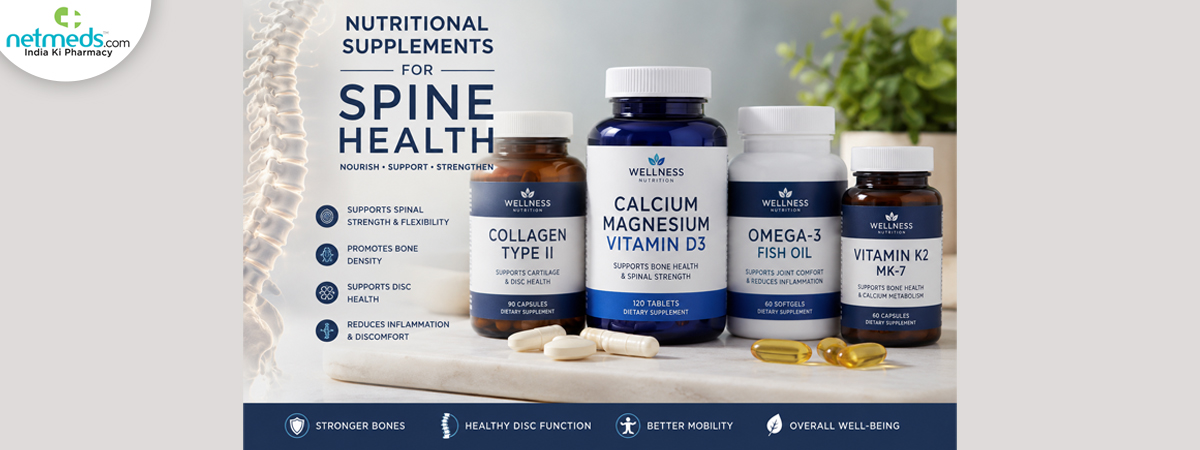
Discover Trusted Supplements For Overall Health And Support. Shop Now!
However, these supplements are not a cure for cervical disorders but may complement conventional treatment and promote overall musculoskeletal health.
Here we have curated five of the best supplements for improving cervical health, along with their benefits, uses, and possible side effects.
Understanding Cervical Health
The cervical spine consists of seven vertebrae that support the head, safeguard the spinal cord, and help with neck movement. In the long run, age-related wear and tear, poor ergonomics, nutritional deficiencies, injuries, or repetitive strain can lead to degeneration of the cervical discs and joints.
Common symptoms include:
Persistent neck pain
Neck stiffness
Headaches originating from the neck
Shoulder pain
Tingling or numbness in the arms and hands
Muscle weakness
Reduced range of motion
Also Read: Fatigue-Related Neck Pain: Easy Ergonomic Fixes For Better Posture And Lasting Relief
Role of Supplements in Cervical Health
The spine is made up of vertebrae, discs, muscles, ligaments and nerves. Each of these elements depends on specific nutrients to function optimally. Supplements can deliver nutrients that may be difficult to obtain in adequate amounts through diet alone. Supplements may help by:
Promoting bone density
Maintaining healthy cartilage
Improving nerve function
Supporting muscle strength
Enhancing collagen production
Protecting joints from oxidative stress
Helping faster tissue repair
For best results, supplements should be combined with:
Regular neck exercises
Good posture
Ergonomic workstation setup
Good hydration
Maintaining body weight
5 Best Supplements For Cervical Health
Calcium
Calcium is one of the most essential minerals for maintaining stronger bones and vertebrae. Since the cervical spine relies on healthy bones for structural support, adequate calcium intake helps reduce the risk of bone weakening and age-related degeneration. Calcium supplements may benefit those with cervical issues in strengthening the vertebrae, improving bone mineral density, lowering the risk of osteoporosis, and maintaining spinal stability.
Uses
Calcium supplementation may benefit individuals with:
Osteoporosis
Low dietary calcium intake
Postmenopausal women
Elderly adults
Increased fracture risk
Side Effects
If consumed in excess amounts, calcium supplements may lead to constipation, bloating, kidney stones and decreased absorption of iron and zinc when taken together.
Vitamin D
Vitamin D is a key nutrient that promotes calcium absorption and supports bone remodelling. Vitamin D deficiency is common across the globe and may contribute to muscle weakness, chronic pain, and poor bone health. Supplementing with this nutrient improves calcium absorption, strengthens cervical bone, reduces muscle weakness, triggers immune function and maintains healthy posture.
Uses
Vitamin D supplementation is commonly recommended for:
Vitamin D deficiency
Osteoporosis
Older adults
Limited sun exposure
Side Effects
Excessive doses may cause nausea, increase calcium levels, kidney stones, fatigue and frequent urination.
Magnesium
Magnesium is required for proper muscle relaxation, nerve transmission, and bone formation. Evidence reveals that this nutrient is valuable in relieving neck muscle tightness associated with cervical strain. Supplementing with magnesium supports relaxing tight neck muscles, nerve health, mitigating muscle cramps, improving sleep quality and healthy bone metabolism.
Also Read: Magnesium: Functions, Food Sources, Deficiency And Toxicity
Uses
Magnesium supplements may be useful for people experiencing:
Muscle stiffness
Neck spasms
Chronic muscle tension
Magnesium deficiency
Side Effects
Overconsumption of magnesium supplements results in diarrhoea, abdominal cramps, nausea and low blood pressure ( in very rare cases, with high doses).
Omega-3 Fatty Acids
Omega-3 fatty acids possess anti-inflammatory qualities that may help reduce inflammation affecting joints and surrounding tissues of the cervical spine. These essential fatty acids help ease inflammation, improve joint mobility, decrease chronic neck discomfort, and enhance overall joint function.
Uses
Omega-3 fatty acid supplements are mostly recommended for individuals with:
Cervical spondylosis
Chronic inflammatory conditions
Joint stiffness
Side Effects
Fishy aftertaste, mild digestive discomfort, and increased bleeding risk when taken in high doses or with blood thinners.
Collagen Peptides
Collagen is the main structural protein found in cartilage, ligaments, tendons, and connective tissues. Supplementation may support joint integrity and tissue repair. Complementing the diet with this supplement may help improve cartilage health, promote connective tissue repair, improve joint flexibility and ligament health, and reduce joint discomfort.
Uses
Collagen supplements are commonly used for:
Joint degeneration
Age-related cartilage loss
Active individuals
Recovery after musculoskeletal injuries
Side Effects
Mild bloating, feeling heavy, stomach upset and allergic reactions in individuals sensitive to marine or bovine sources.
Food Sources To Improve Cervical Health
Alongside supplements, include these nutrient-rich foods in your diet:
Calcium-rich foods
Milk
Yogurt
Cheese
Sesame seeds
Tofu
Vitamin D sources
Fatty fish
Egg yolks
Fortified dairy products
Mushrooms
Sunlight exposure
Magnesium-rich foods
Spinach
Pumpkin seeds
Almonds
Cashews
Whole grains
Omega-3 sources
Salmon
Sardines
Mackerel
Flaxseeds
Walnuts
Collagen-supporting foods
Non-vegetarian soup
Chicken
Fish
Citrus fruits
Berries
Bell peppers
Simple Lifestyle Measures for Better Cervical Health
To reap the maximum benefits of supplements, it is recommended to:
Maintain proper posture while sitting and working.
Avoid prolonged screen time without breaks.
Engage in regular neck stretching and strengthening exercises.
Use an ergonomic chair and monitor at eye level.
Sleep on a supportive pillow.
Maintain body weight within a healthy range.
Stay physically active.
Precautions Before Taking Supplements
It is important to seek advice from your healthcare provider before starting any supplement, especially if you have kidney disease, liver disease, osteoporosis, or chronic medical conditions.
Pregnant and breastfeeding women should seek medical advice before using supplements.
Individuals taking blood thinners should use omega-3 supplements only under medical supervision.
Avoid exceeding the recommended daily dosage unless advised by a healthcare professional.
Conclusion
Maintaining cervical health requires a holistic approach that includes the right nutrition, regular exercise, good posture, and timely medical care. Supplements can help support bone strength, reduce inflammation, improve muscle and nerve function, and maintain healthy joints. However, they work best as part of an overall healthy lifestyle rather than as standalone treatments. If neck pain persists, worsens, or is accompanied by numbness, weakness, or severe neurological symptoms, seek prompt medical diagnosis and treatment.
References:
https://pubmed.ncbi.nlm.nih.gov/1417666/
Role of vitamin A and E in spondylosis
Z Mahmud 1, S M Ali
 Previous