Winter often brings along sniffles, coughs, and congestion, making it a challenging season for little ones. Babies are particularly vulnerable during the colder months because their immune systems are still in the developmental stage, their small nasal passages block easily, and sudden changes in temperature can make even a healthy baby uncomfortable.
Also Read: Baby Sleep Troubles in Winter? Tips To Keep Them Warm, Cozy And Rested

Being a parent, it is quite difficult to watch your baby struggle to breathe, but be aware that you are never alone when clearing your baby's nose or soothing his or her cough. Winter is the peak season for infant respiratory infections, but if cared for correctly, with gentle remedies and prevention tips, your baby can easily remain healthy, comfortable, and well-protected throughout the season.
Why Do Babies Catch Coughs And Colds More In Winters?
Winter dryness, low temperatures, and decreased immunity make babies susceptible to respiratory concerns. The dryness in the air irritates their sensitive nasal passages and causes discomfort due to congestion. Low temperatures affect their heat regulation ability, making infections common. Babies also tend to stay indoors when it is cold outside, where viruses can keep circulating in the air. Underdeveloped immune systems, together with these factors, make coughs and colds common in infants during the chilly weather.
Also Checkout: Newborn Care Week 2022: 5 Must-Have Skin Care Essentials For Your Baby – Infographics
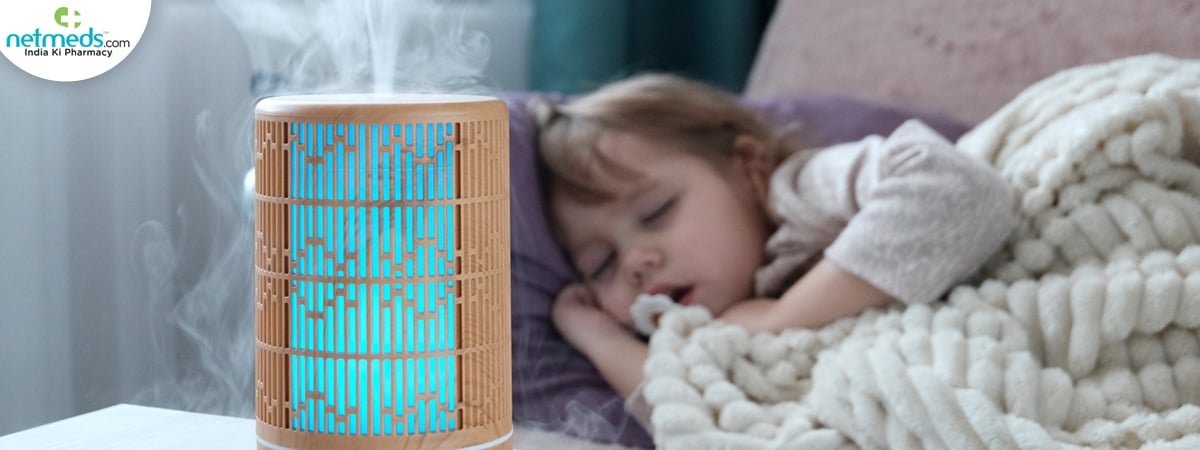
10 Smart Remedies To Soothe Baby Cough And Cold in Winter
Use a Humidifier
A humidifier adds much-needed moisture to dry winter air and helps relieve nasal congestion, throat irritation, and night time coughing. Moist air keeps the baby's nasal passages hydrated and makes it easier for them to breathe and sleep comfortably. Ensure the humidifier is cleaned regularly to prevent bacterial growth and maintain hygiene.
Try Gentle Steam Therapy-
Warm steam unclogs the nose and loosens the mucus, but a baby should never be directly exposed to steam. You can sit with your baby in a closed bathroom after running hot water for some time. Warm, damp air opens up their nasal ways naturally, bringing instant relief from congestion.
Clearance of Blockages
The safest pediatrician-recommended remedies for cold and cough-suffering infants include saline drops. They help in loosening thick mucus, unclogging the nasal passages, and make breathing easier. You may follow up with a soft nasal aspirator after applying saline drops, provided your doctor recommends it, especially before feedings or sleep.

Increase Breastfeeding or Fluid Intake
In infants, breast milk provides antibodies that are necessary for fighting infection and enhancing their immunity. More frequent feeding during winter ensures hydration and quicker recovery from colds and coughs. Infants above six months of age can also be given warm water or soups, which soothe the throat and hydrate the body.
Dress Your Baby in Warm Layers
While keeping your baby warm is essential, too many layers result in excessive sweating, irritation, thereby aggravating the cough. Soft thermals, cotton onesies, and warm socks will serve the purpose of keeping up the body temperature. Avoid putting on heavy warm sweaters while they are indoors, and let them sleep without caps to avoid overheating.
Provide Warm Oil Massage.
A gentle oil massage improves the blood circulation and immunity and maintains the warmth of the chest and limbs of the baby. Almond, coconut, or mild mustard oil in very cold regions is an excellent choice to give massage during winter. This soothing practice will warm up not only the baby but also comfort him and improve sleep.
Keep the Baby's Environment Clean
The baby's throat can easily be irritated by dust and allergens, which could set off coughing. Keep the environment clean and dust-free by washing the beddings frequently, vacuuming the floors, and wiping off their toys. Also, avoid smoke, incense sticks, or strong perfumes, as all these can aggravate the congestion, further irritating the respiratory pathways.
Correct Sleeping Posture
A slight elevation of the mattress reduces night-time cough, postnasal drip, and difficulty breathing. Instead of using pillows-which are unsafe for infants-use a rolled towel under the mattress for gentle elevation of the head. This allows the baby to sleep comfortably through the night without constant congestion.
Maintain Optimal Surrounding Temperature
Cold drafts can trigger or worsen cough symptoms. Keep your baby away from open windows, fans, or doors. When going out, make sure that your baby gets dressed up warmly, with particular emphasis on covering their chest. Avoid going out in very early morning or late evening hours when the temperature has dropped drastically.
Use Baby-Friendly Chest Rubs
A light, massage on the chest using a baby-friendly rub will help loosen congestion and calm the cough. Mild formulations for babies include aloe vera, mild eucalyptus, or chamomile that provide soothing without further irritation to skin and airways. Avoid strong menthol or camphor-based salves unless your pediatrician advises their use.
Simple Habits To Prevent Cough And Cold in Babies
Wash hands before touching your baby
Limit visitors especially the sick ones.
Keep vaccination schedule updated
Make sure the room is well-ventilated
Avoid smoking or strong perfumes near the baby
Small preventive measures protect your little one's immunity to a great extent.
When To Seek Immediate Medical Attention?
Consult your pediatrician if your baby has :
Fever above 100.4°F (38°C)
Difficulty while breathing
Difficulty while feeding
Very thick yellow or green mucus
Symptoms persisting more than 5–7 days
Always act early; infants can deteriorate quickly.
Frequently Asked Questions
Why do babies catch colds in winter?
Dry air, low immunity, and a rise in virus circulation make them more prone to winter infections.
Can I put vapor rub on my baby?
Use only menthol-free, pediatrician-recommended, and baby-friendly chest rubs.
How can I unblock my baby's nose naturally?
The safest include saline drops, warm steam, and humidifiers.
Is steam safe for babies?
Indirect steam is safe, just keep them off the direct steam.
When should I worry about a baby's cough?
Symptoms such as fever, wheezing, difficulty in breathing, or if symptoms have persisted beyond a week.
Conclusion
Cough and cold are common in babies during winter, but a proper blend of warmth, hydration, gentle remedies, and preventive care can easily ensure that your little one remains healthy and cheerful. Humidifiers, saline drops, extra layers of warm clothes, and safe chest rubs give natural soothing relief for irritated membranes, while a clean and dust-free environment minimizes the chance of frequent infections. If these simple yet efficient winter-care practices are followed, your baby will breathe easily and sleep soundly through this winter season.
References:
1. https://pmc.ncbi.nlm.nih.gov/articles/PMC6372369/
2. https://www.sciencedirect.com/science/article/abs/pii/S1526054223000477
3. https://pmc.ncbi.nlm.nih.gov/articles/PMC4264806/
4. https://www.fda.gov/consumers/consumer-updates/should-you-give-kids-medicine-coughs-and-colds
 Previous