


Yes, winter might be magical, but for many parents, it is a time of sleepless nights, cranky babies, and endless adjustments of covers at 3 AM. And if you are finding your little one waking up frequently, crying a lot, or feeling too hot or cold after several layers on, you are not alone.
Cold winds, dry air, fluctuating room temperatures, and winter infections often interfere with the baby's fragile sleep pattern.

And here is the kicker: winter discomfort is one of the most common and commonly overlooked causes of bad baby sleep. Their miniature bodies lose heat faster, their skin dries out easily, and they count on you to create the perfect sleep environment.
Also Read: Newborn Care Week 2022: 5 Must-Have Skin Care Essentials For Your Baby – Infographics
But the good news is that you can certainly help your baby sleep better. With the right winter sleep practices, you can ensure that your little one is kept warm, cosy, and well-rested throughout the night.
(Looking for winter-safe baby products? Explore our gentle baby oil, soft blankets, and skincare essentials!)
Why Do Babies Struggle With Sleep In Winter?
Several factors related to winter can interfere with your baby's sleep cycle:
Cold temperatures where one cannot keep their body warm.
Low humidity can lead to skin dryness, congestion, and irritation.
More frequent infections, such as colds, coughs, and blocked noses
Overlayering makes babies sweaty, restless, and uncomfortable.
Changes in routine owing to shorter days and less time spent outdoors
Understanding these triggers will help you create an environment best suited for sleep that is deep and restorative.
Also Read: Newborn Care Week 2020: Superb Baby Care Tips For First-Time Parents
Top Winter Sleep Tips To Keep Your Baby Warm And Rested
Below are some of the most helpful, safe, and paediatrician-approved sleep strategies for the colder months:
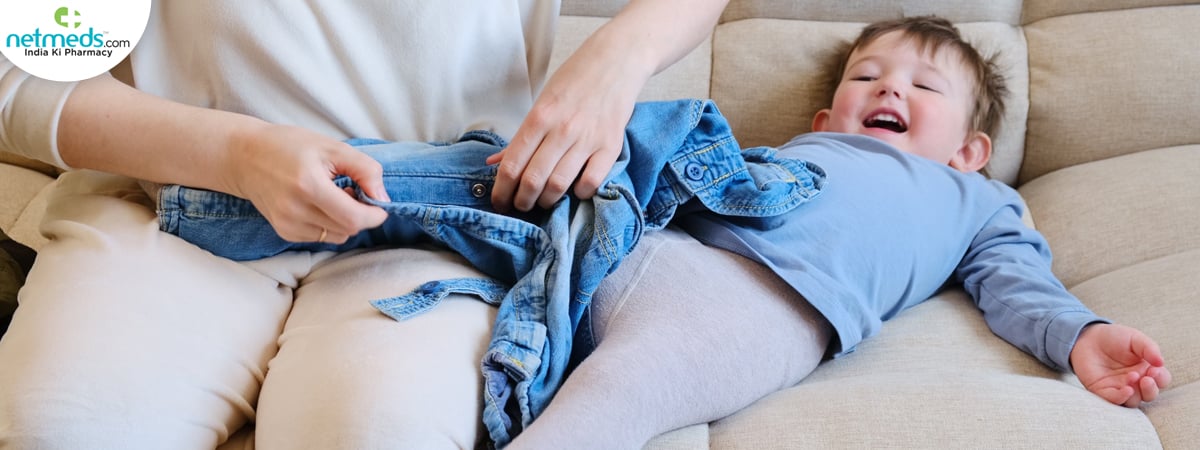
Dress Your Baby in Warm, Breathable Layers
Layering keeps the baby warm without overheating. Choose thermal onesies or wool socks (if needed). Avoid using thick blankets or loose covers and heavy sweaters inside the crib, as they increase the risk of overheating and possible suffocation.
Pro Tip: Use one layer more than what you are wearing.
Keep Baby’s Head And Feet Warm
Use soft caps, warm socks and sleep suits with feet as nightwear before sleep during the winter months to keep your baby warm. But during sleeping, remove caps to avoid overheating.
Avoid Overfeeding Before Bed
Heavy feeding can be uncomfortable, gassy, or refluxed, particularly during the winter months when digestion slows slightly. Give a gentle feed, burp well, and wait for 15 minutes before laying the baby down.

Keep the Room Temperature Ideal
The best room temperature for the baby to sleep peacefully in winter should range between 20 and 22°C or 68–72°F. If it is too cold, the baby wakes frequently, whereas a warmer temperature leads to perspiration, discomfort, and fussiness.
So, to avoid this, use:
A room thermometer
Humidifier
Draft-free sleeping area
Note: A stable temperature leads to longer stretches of sleeping.
Avoid Dryness Using A Humidifier
Winter air is especially dry. This may lead to nasal congestion, dry throat, cough and eczema or dry patches.
Using a humidifier not only keeps nasal passages moist and facilitates breathing but also helps the baby sleep longer. Remember to clean it regularly to avoid bacterial growth.
Choose the Right Winter-Friendly Sleep Sack
Instead of loose blankets, use TOG-rated sleep sacks. TOG, or Thermal Overall Grade, is a term used for the measurement of a sleep sack's warmth and insulation.
2.5 TOG → Cold nights
3.5 TOG → Very cold regions
Note: They maintain temperature and provide safe, cosy warmth with no risk of loose bedding.
Warm the Bed Slightly
Place a hot water bag on the crib to slightly warm the bedding. Remove it before putting the baby inside.
Remember: Never put heating pads or hot water bags in the crib with the baby.

Give a Warm Oil Massage
A gentle massage with almond oil, coconut oil, olive oil or baby-safe mustard oil can be extremely beneficial for proper sleep. Oil massage helps improve circulation and body temperature and bestows a relaxed sleep throughout the night. Make it part of a comforting winter bedtime routine.
Moisturise The Skin
Dry, itchy skin can disturb sleep. Use baby-safe moisturisers, mild ointments, barrier creams or lukewarm baths along with light oils before bedtime during the winter months.
Note: Moisturised skin = fewer wake-ups
Practice a Cosy Winter Bedtime Routine
A predictable routine helps to cue sleep. You can follow these steps to ensure your baby sleeps peacefully throughout the night.
Warm bath
Light massage
New sleeping suit
Feed
Dimmed lights
Soft lullabies
Note: Babies sleep more soundly knowing what comes next.
Tips to Ensure Peaceful Baby Sleep in Winter
Keep your baby away from direct cold drafts
Clean nasal passages with saline drops if congested
Open your windows and air out the room for ventilation during the day.
Small habits followed consistently make a big difference.
Frequently Asked Questions
Why does my baby wake up more often during winter?
Cold temperatures, dry air, and increased congestion make it harder for babies to stay asleep.
What should my baby wear to sleep in winter?
A thermal onesie, cotton layers, and a TOG-rated sleep sack are best.
Is a space heater safe to sleep with?
Yes, if used safely, keep it at a distance, maintain ventilation, and avoid overheating.
Do babies sleep better when it is cold or warm?
Babies sleep best in a room that is moderately cool but not cold, about 20–22°C.
Conclusion
Winter can be quite challenging for your little one's sleep, but with a few really thoughtful adjustments, you will be able to create the perfect setting of warmth, safety, and cosiness. Proper room temperature, breathable layers, humidifiers, warm oil massages, and a calm bedtime routine ensure that your baby sleeps better, even on the coldest nights.
References:
1. https://pubmed.ncbi.nlm.nih.gov/18767347/
2. https://www.sciencedirect.com/science/article/pii/S0163638321001302
 Previous