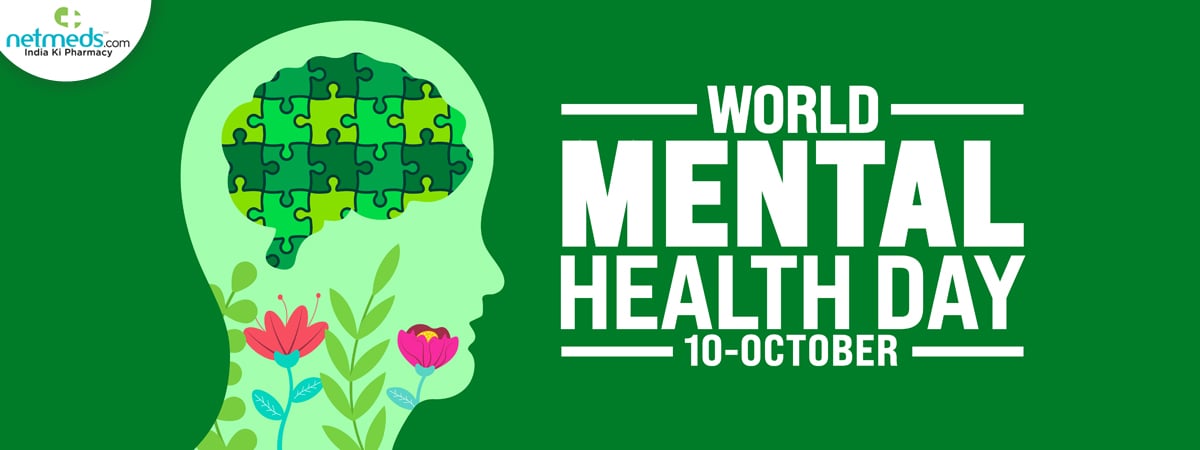
World Mental Health Day 2026 is observed on October 10 to raise awareness about mental health and promote access to compassionate, inclusive care. 2026’s theme, 'Lived Experiences Heard: Real Voices, Real Change', highlights the importance of listening to people living with mental health conditions and common mental health disorders, and involving them in decisions that shape policies and healthcare services.
The day emphasises the need to break the stigma surrounding mental health, encourage open conversations and ensure people receive timely support. It also reinforces the importance of person-centred care, dignity and community support in improving mental well-being and creating a more understanding society. The importance of mental health cannot be overstated. Just like we care for our physical well-being, nurturing our mental and emotional health is equally crucial. Good mental health enables us to cope with life's challenges, form meaningful relationships, and pursue our goals. It enhances our ability to manage stress, navigate setbacks, and find joy in everyday life. Furthermore, mental health support is pivotal to our physical health, as the mind-body connection is undeniable.
Neglecting mental health can lead to various issues, including anxiety, depression, and physical ailments. By seeking support when needed and fostering resilience, we can ensure that our mental health remains strong, enabling us to thrive in all aspects of our lives. Seeking therapy is indeed an essential step toward personal growth and mental well-being. Therapy can be a transformative journey toward improved mental health and well-being. It is a step toward rediscovering the strength and resilience that lies within you.
How To Find The Right Therapist?
The choice of therapist depends on your specific needs. The therapeutic relationship is central to the healing process, so finding a therapist with whom you feel comfortable and supported is paramount. Don't hesitate to seek the help you need.
Psychiatrists are suitable for medication management. Psychologists are ideal for in-depth psychological assessments.
Licensed therapists and counselors are adept at offering talk therapy and counseling for various concerns. Ultimately, the key is to find a therapist with whom you feel comfortable and supported, as the therapeutic relationship is pivotal in achieving positive outcomes.
Don't hesitate to seek help; therapy can be a transformative journey toward improved mental health and well-being. Here are various compelling reasons why individuals should consider seeing a therapist, including:
Reasons To See A Therapist
Addiction/Substance Use:
Regular therapy offers a lifeline for those grappling with addiction. It delves into the root causes of substance use, provides tools for recovery, and teaches healthier coping mechanisms. Therapists can help individuals rebuild their lives, relationships, and self-esteem, promoting long-term sobriety and healing.
Also Read: Yoga For Mental Health: Get Past Lockdown Blues With These Superb Yoga Poses
Anxiety and Stress:
Psychological therapy is a sanctuary for those suffering from the incessant grip of anxiety and stress. Therapists provide strategies such as mindfulness, relaxation techniques, and cognitive-behavioral therapy to manage these overwhelming emotions. They help individuals reframe negative thought patterns and foster resilience to navigate life's challenges.
Lack Of Confidence and Self-Esteem:
Asking for support in the form of therapy serves as a nurturing space to tackle self-doubt and bolster self-esteem. Through introspection and guidance, individuals can uncover their strengths, cultivate self-compassion, and develop a positive self-image, leading to increased confidence and a sense of self-worth.
Depression:
Depression has become a common mental health issue, and therapy is a beacon of hope for those facing the shadow of depression. Therapists assist individuals in confronting their emotional turmoil, offering tools to manage depressive symptoms, explore the root causes of their despair, and gradually rediscover the joy in life.
Also Read: Claustrophobia: Causes, Symptoms And Treatment
Trauma And Loss:
Therapy is a vital path to healing for those burdened by trauma and loss. Therapists create a safe environment for individuals to process their experiences, facilitating the integration of painful memories and emotions. This allows individuals to find closure, build resilience, and move forward with their lives.
Serious Illnesses:
A diagnosis of a serious illness can have profound psychological and emotional impacts. Therapy helps individuals navigate these challenges by offering emotional support, addressing anxiety, and promoting overall well-being. Therapists can assist in building coping strategies, reducing stress, and enhancing the patient's quality of life.
Other Psychological Conditions That Need Therapy
Relationship Issues
Sour relationships can be a primary cause of mental illness. Therapy can help individuals and couples navigate relationship challenges. Therapists provide tools to improve communication, resolve conflicts, and foster deeper connections, contributing to healthier and more fulfilling relationships.
Career And Life Transitions
Major life changes, such as career shifts or relocations, can cause significant stress. Therapy offers support and strategies to manage these transitions, helping individuals adapt and find balance during times of change.
Financial Losses
Long-term financial troubles can lead to stress that can negatively impact both mental and physical health. Therapy provides techniques to manage chronic stress, such as relaxation methods, time management skills, and lifestyle adjustments according to current financial status, leading to a more balanced and healthy life.
Frequently Asked Questions
When Should You Seek Therapy For Mental Health?
Seek professional help when persistent sadness, anxiety, mood changes, sleep disturbances or difficulty managing daily activities begin affecting your quality of life.
Which Psychological Conditions May Require Immediate Help?
Conditions such as severe depression, panic attacks, bipolar disorder, psychosis, post-traumatic stress disorder (PTSD), and eating disorders may require prompt professional assessment, especially when symptoms become severe.
What Are The Warning Signs That You Need Mental Health Support?
Warning signs include persistent emotional distress, social withdrawal, sudden behavioural changes, difficulty concentrating, hopelessness and thoughts of self-harm.
Can Therapy Help Manage Common Mental Health Conditions?
Yes, therapy can help people understand their emotions, develop coping strategies, and manage conditions such as depression, anxiety, and trauma-related disorders. A mental health professional can recommend suitable treatment based on individual needs.
When Is A Mental Health Condition Considered An Emergency?
Yes, sometimes it may be an emergency! Seek immediate professional help if you or someone around you experiences suicidal thoughts with intent, severe confusion, or hallucinations that create an inability to stay safe. Contact local emergency services if there is an immediate risk.
(This article is reviewed by M Sowmya Binu, Health And Nutrition Expert)
Author Profile:
Kalyani Krishna:
With a dual Bachelor's degree in Commerce and Law, coupled with over 15 years of extensive experience in mainstream media, Kalyani Krishna is a seasoned professional adept in writing, editing, and content strategy. Passionate about the health sector, she specializes in crafting meticulously researched articles that are both factual and grammatically flawless and deliver accurate and valuable insights to the audience.
References:
Researching Mental Health Disorders in the Era of Social Media: Systematic Review. Akkaporn Wongkoblap1 Author Orcid Image ; Miguel A Vadillo2, 3 Author Orcid Image; Vasa Curcin1, 2 Author Orcid Image
https://www.jmir.org/2017/6/e228/
https://ijmhs.biomedcentral.com/
https://link.springer.com/journal/10597
https://www.tandfonline.com/journals/ijmh20/about-this-journal
https://www.ovid.com/jnls/amhe
https://www.hopkinsmedicine.org/health/expert-qa/social-media-and-mental-health-in-children-and-teens
https://www.mindtalk.in/journaling
 Previous