The auspicious festival of Navarathri has begun, with this grand religious Hindu celebration being observed from October 11 to 20 this time around in 2026. With devotional events extending throughout the period termed in Sanskrit as the “Nava Rathris”, which literally translates to nine nights in English, Navarathri is an important occasion for the Hindu community in India and around the world, falling in the holy month of Ashvin, as per the Hindu lunisolar calendar.
Also Read: Protein Power: Treat Your Guests To These Healthy Dasara Recipes
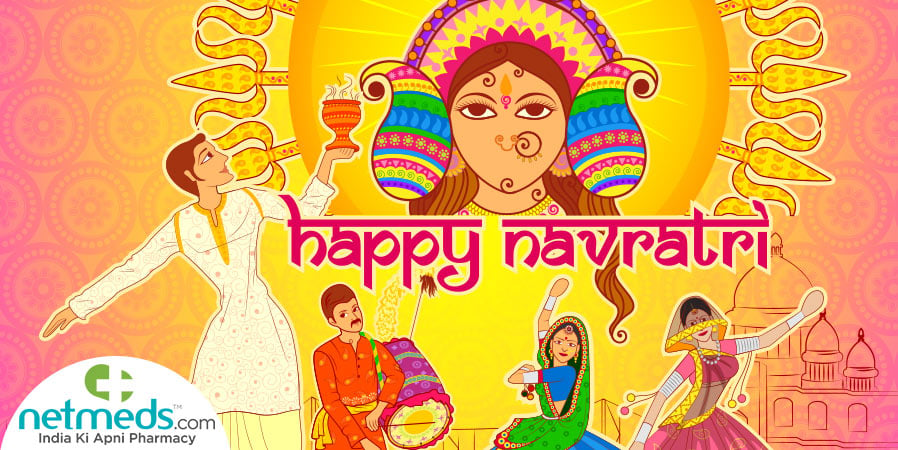
Elaborate and lavish pujas are conducted in households and temples, involving chanting prayers and invoking the blessings of Goddess Saraswathi for knowledge, Goddess Lakshmi for wealth and Goddess Durga for strength. Various cultural events based on the unique local customs and diverse traditions of the different states are also held, such as “Garba” and “Dandiya Raas” dancing, vivid and artistic “Golu Exhibitions” with beautifully handcrafted dolls and ornate “Durga Puja Pandal” podiums. A variety of customary Indian meals are cooked with wholly vegetarian ingredients of plant and dairy produce during the nine-day-long festivities, besides specific saatvik foods sans onion and garlic eaten after prayers and fasting. And of course, an array of delectable sweets are prepared during Navarathri with wholesome elements, which are packed with irresistible taste and good health.
Mouth-Watering Indian Sweets For Navaratri:
So harness the inner chef in you for this Navarathri and get set to prep these yummy recipes of Khajur Barfi with dates, nuts and Gulab Jamun with milk powder and rose essence. Granted, these traditional Indian sweets will earn you heaps of compliments from family and friends alike and leave one and all asking for more.
Shop From Our Extensive Array Of Nutrition Supplements To Uplift The Health Of Your Family!
Khajur Barfi
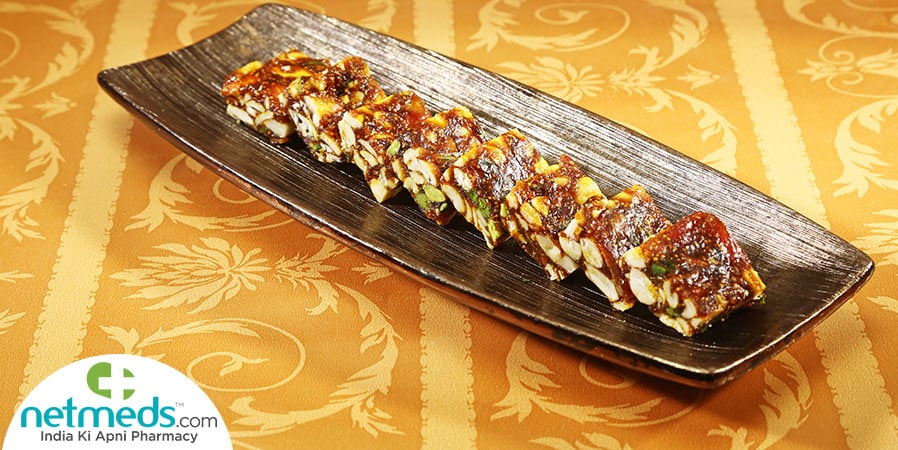
Ingredients:
3 cups dates, soft variant, with seeds removed
4 tbsp shredded coconut
1 cup mixed nuts – almonds, cashews, walnuts
3 tbsp raisins
1 tbsp ghee
2 tbsp pistachios
Method:
Cut the dates into small chunks and chop the nuts and dry fruits – almonds, cashews, walnuts, pistachios, and raisins – into thin slivers.
Dry roast the shredded coconut in a pan on a low flame for 2 minutes, then mildly roast the nuts and dry fruits as well and set aside.
Heat ghee in a kadai, add the cut dates, and and cook for 3 – 5 minutes on medium flame until they become soft and form pliable lumps.
Transfer the lightly roasted dry fruits and nuts and stir well into the date mixture.
Turn off the stovetop, allow the blend to cool down for 5 – 7 minutes, then mould it into even-sized rectangular blocks.
Let it set by keeping it in the fridge for 30 minutes, then garnish with pistachios and enjoy this tantalising Khajur Barfi chilled.
Nutrition:
This delicious Khajur Barfi is prepared without adding any sugar, making it ideal for both healthy individuals and those with diabetes. Dates are laden with dietary fibres that facilitate easy digestion, bowel movement and also satiate the hunger pangs, thereby controlling appetite and preventing untimely cravings. Almonds, walnuts and cashews are a storehouse of B vitamins for optimal metabolism and instant energy needs. Ghee is rich in healthy unsaturated fats, besides vitamins A and E, for better heart function and eye health.
Gulab Jamun
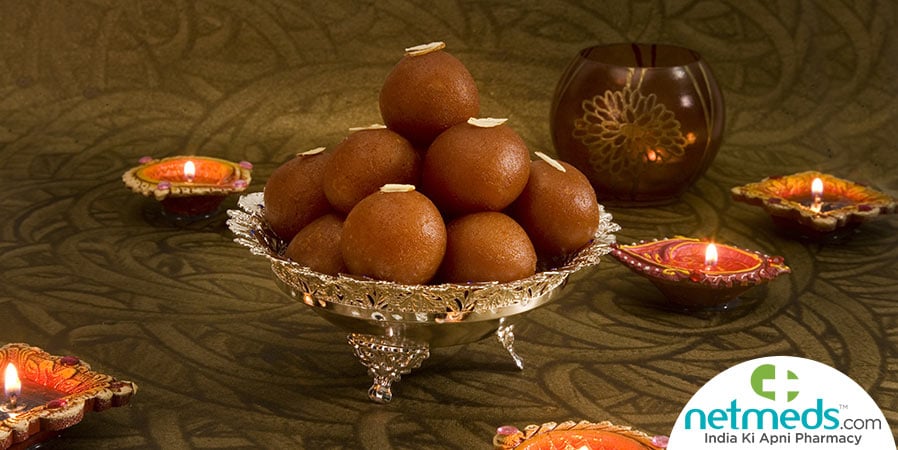
Ingredients:
1 cup milk powder
4 tbsp maida/all-purpose flour
2 tbsp ghee
A pinch of baking soda
3 tbsp milk
1 tbsp yoghurt
1 cup sugar
2 cups water
4–5 pods of elaichi/cardamom
2 tsp rose water
Method:
Crush the elaichi pods to a fine powder, then add it to the water and sugar in a large vessel.
Boil this mixture on a medium-high flame for 10–15 minutes, stirring continuously, until a slightly thick and sticky syrup forms.
Switch off the stove, pour in the rose water, mix well and set aside.
Combine the milk powder, maida, baking soda, ghee, milk and yoghurt and beat it into a soft, firm dough.
Grease fingers with a bit of ghee and shape the dough into uniform round balls, without any gaps in between.
Heat oil in a deep vessel; fry the round balls of dough on a medium flame until they become golden brown all around.
Carefully transfer them to the hot sugar syrup infused with elaichi powder and rosewater extracts.
Allow them to soak in the flavours for about 2 – 3 hours and then relish the lip-smacking gulab jamun warm.
Nutrition:
Milk powder, being the solidified and ground form of milk, provides ample nutrition equivalent to liquid milk, delivering essential amino acids, calcium, vitamin B12, and proteins for tough, robust bones, muscles, and enhanced blood flow within the body. Yoghurt is a natural probiotic that enriches gut flora and eases indigestion, bloating, and stomach infections. Elaichi is imbued with decongestant constituents that promote lung power and combat respiratory problems such as cough, cold, and fever, while rose water cleanses the system of toxins and improves kidney and liver functions.
Frequently Asked Questions
1. What are the healthiest Navratri mithai recipes to try at home?
Healthier Navratri mithai can include homemade ladoos, dates-and-nut bites, fruit-based sweets and reduced-sugar versions of traditional Indian desserts.
2. How can I make Navratri sweets healthier?
You can make Navratri sweets healthier by reducing added sugar, using nuts and seeds, incorporating fruits and choosing cooking methods that require less saturated fat.
3. Can I eat sweets during Navratri fasting?
Yes, sweets can be enjoyed in moderation during Navratri fasting while keeping overall sugar and calorie intake in check.
4. Are dates and nuts good ingredients for healthy Navratri sweets?
Dates and nuts can add natural sweetness, fibre and nutrient-dense fats to homemade sweets, although portion size still matters because they are calorie-dense foods.
5. How much Navratri mithai should you eat in a day?
There is no single recommended portion for festive sweets, but keeping portions small and limiting overall free-sugar intake can help maintain a balanced diet.
References:
WHO – Healthy Diet
Provides evidence-based guidance on balanced diets, fruits, vegetables, nuts, whole grains, free sugars and dietary fats.
WHO – Guideline: Sugars Intake for Adults and Children
Explains the recommendation to limit free sugars to less than 10% of total energy intake, with additional benefits from reducing intake further.
WHO – Carbohydrate Intake for Adults and Children
Discusses carbohydrate quality, dietary fibre and the importance of obtaining carbohydrates from fruits, vegetables, pulses and whole grains.
WHO India – Healthy Diet
Provides nutrition guidance relevant to Indian dietary patterns, including varied intake of cereals, legumes, vegetables, fruits and animal-source foods.
WHO – Healthy Diet: Keys to Eating Well
Offers practical recommendations for reducing excess sugar and unhealthy fats while choosing nutritious foods.
WHO: Healthy Diet – Keys to Eating Well
WHO – Reducing Free Sugars in Adults
Explains why limiting free sugars can help reduce the risk of unhealthy weight gain and dental caries.
WHO – Nutrition for a Healthy Life
Highlights dietary diversity, fruits, vegetables, legumes, nuts and whole grains as components of a balanced eating pattern.
WHO: Nutrition for a Healthy Life
WHO – Healthy Diet Fact Sheet
Summarises recommendations for fruits and vegetables, free sugars, total fat and the preference for unsaturated over saturated fats.
 Previous