


Swimming is not just about strong strokes; it is about mastering your breath. If you often find yourself gasping for air mid-lap or struggling to maintain a steady rhythm, your lung capacity and breathing control may need improvement.
Efficient breathing helps swimmers enhance endurance, stay relaxed in the water, and perform better overall. The good news is that yoga offers a natural and highly effective way to strengthen your lungs, improve oxygen flow, and train your body to breathe more efficiently.
With regular practice, these yoga poses can help expand lung capacity, improve breath control, and make your swimming sessions smoother and more powerful.
Let us dive right in, roll out your mat and start strengthening your breath from within.
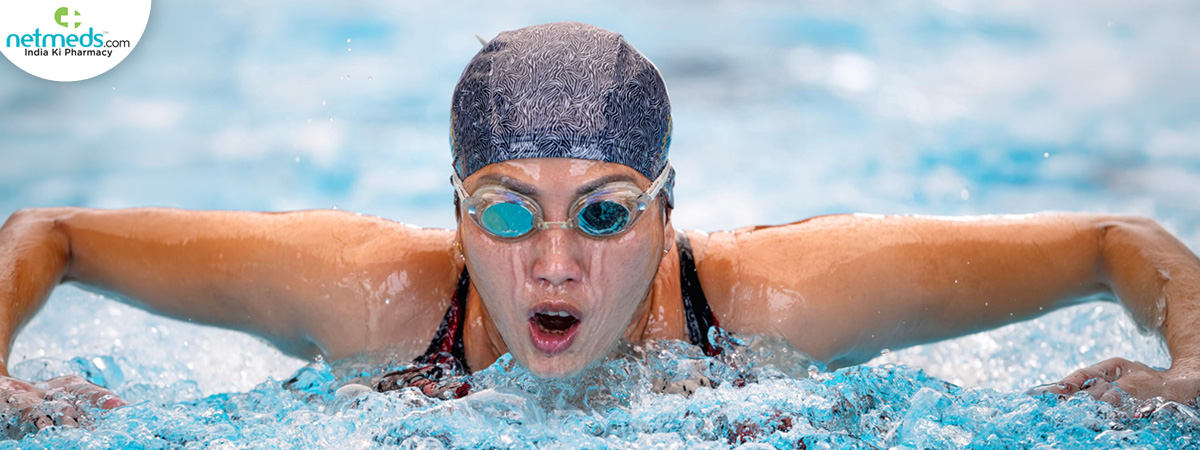
Why Breathing Matters For Swimmers?
Breathing is one of the most critical aspects of swimming performance. Unlike many other forms of exercise, swimmers must coordinate their breath with their strokes, often in a limited time window.
When breathing is not efficient:
Muscles receive less oxygen, leading to early fatigue
Your rhythm and timing get disrupted
Anxiety or panic may increase in the water
Overall performance declines
Improving lung capacity allows you to take deeper, more controlled breaths, helping you stay calm and maintain consistency throughout your swim.
Also Read: Lung Problems: 5 Incredible Yogasanas To Ease Breathing Difficulties
How Yoga Helps Improve Lung Capacity?
Yoga combines controlled breathing techniques with physical movement, making it highly effective for improving respiratory health. It trains your body to use oxygen more efficiently while strengthening the muscles involved in breathing.
Here is how yoga benefits swimmers:
Encourages deep, diaphragmatic breathing
Expands lung capacity over time
Strengthens respiratory muscles
Improves oxygen circulation in the body
Enhances focus and breath control
Reduces stress, which can interfere with breathing patterns
By practicing yoga regularly, you can develop better breath awareness and control, which directly translates to improved performance in the water.
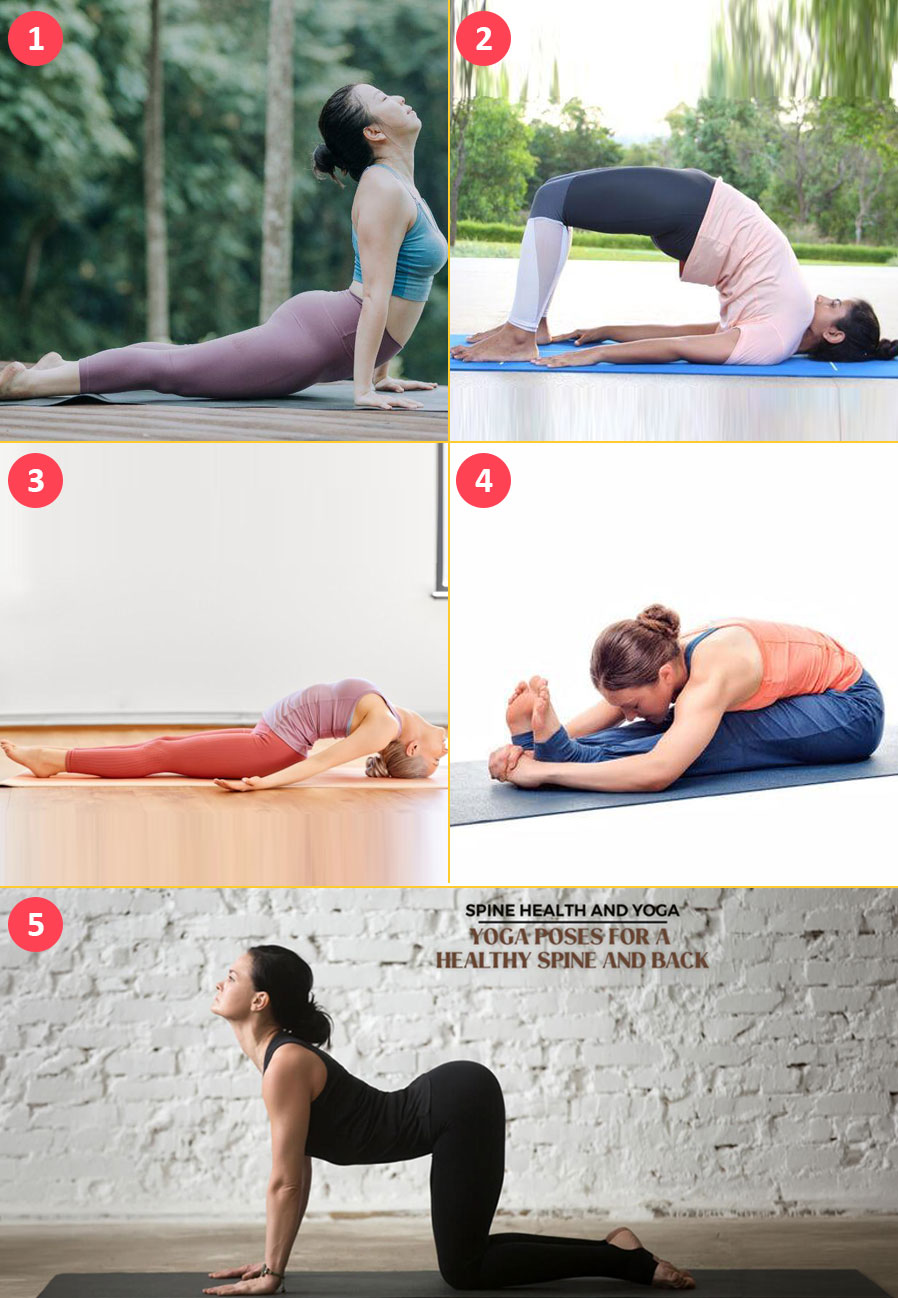
5 Effective Yoga Poses For Better Breathing
Cobra Pose (Bhujangasana)
Lie flat on your stomach with your palms placed under your shoulders. Slowly lift your chest upward while keeping your lower body grounded. Hold the position for 15–20 seconds and focus on taking deep, steady breaths.
Benefits:
Cobra pose opens up the chest and lungs, allowing for better oxygen intake. It improves lung expansion and strengthens the respiratory system, helping swimmers breathe more efficiently during intense sessions.
Bridge Pose (Setu Bandhasana)
Lie on your back with your knees bent and feet flat on the floor. Slowly lift your hips upward while keeping your shoulders grounded. Hold for 20–30 seconds and breathe deeply.
Benefits:
This pose expands the chest and improves lung function. It also enhances blood circulation, ensuring that oxygen is efficiently delivered to muscles during swimming.
Fish Pose (Matsyasana)
Lie on your back and gently arch your chest upward, allowing the crown of your head to lightly touch the floor. Keep your chest lifted and take slow, deep breaths for 15–20 seconds.
Benefits:
Fish pose provides a deep stretch to the chest and throat, promoting maximum lung expansion. It is especially beneficial for improving breathing efficiency and increasing oxygen intake.
Seated Forward Bend (Paschimottanasana)
Sit with your legs extended straight in front of you. Slowly bend forward and reach for your toes while keeping your spine as straight as possible. Hold the position for 20–30 seconds with controlled breathing.
Benefits:
This pose helps regulate breathing patterns and calm the mind. It reduces stress and tension, allowing swimmers to maintain steady and controlled breathing during performance.
Cat-Cow Pose (Marjaryasana-Bitilasana)
Begin on all fours. Inhale as you arch your back (Cow Pose) and lift your head slightly. Exhale as you round your spine (Cat Pose) and tuck your chin toward your chest. Continue this flow for 30–60 seconds.
Benefits:
Cat-Cow pose synchronizes breath with movement, helping swimmers develop better coordination between breathing and physical activity. It also improves flexibility and spinal mobility.
Bonus Tips For Better Breathing Performance
To enhance the benefits of yoga, incorporate these habits into your routine:
Practice pranayama (breathing exercises) daily
Stay well-hydrated to support lung function
Maintain good posture for optimal breathing
Warm up properly before swimming
Practice breath control exercises gradually and safely
Consistency in both yoga and lifestyle habits is key to improving lung capacity.
Who Should Practice These Poses?
These yoga poses are beneficial for:
Beginner and professional swimmers
Athletes aiming to improve endurance
Individuals with low lung capacity
People looking to enhance breathing control
Anyone wanting to improve respiratory health naturally
Precautions
While yoga is generally safe, it is important to practice mindfully:
Avoid overexertion or pushing beyond your limits
Do not hold your breath unnecessarily
Practice in a calm and well-ventilated space
Consult a professional if you have respiratory conditions
Stop immediately if you feel dizzy or uncomfortable
Conclusion
Breathing is the foundation of strong swimming performance. By incorporating these simple yet effective yoga poses into your routine, you can gradually improve lung capacity, enhance breath control, and build endurance.
Start slowly, stay consistent, and focus on mindful breathing. Over time, you will notice smoother strokes, better stamina, and greater confidence in the water.
References:
- https://www.ncbi.nlm.nih.gov/pmc/articles/PMC3193654/
- https://pubmed.ncbi.nlm.nih.gov/28743838/
- https://www.health.harvard.edu/staying-healthy
 Previous