Weak core muscles can quietly create more huge problems than you might expect. It often starts with mild discomfort, poor posture, or a feeling of weakness around your abdomen. Over time, this lack of core strength can increase the risk of issues like hernia, especially when the abdominal wall is unable to support internal pressure properly.
The good news? You can strengthen your core naturally with the help of yoga. Gentle yet effective, yoga works on deep abdominal muscles, improves stability, and enhances overall body awareness without putting excessive strain on your body.
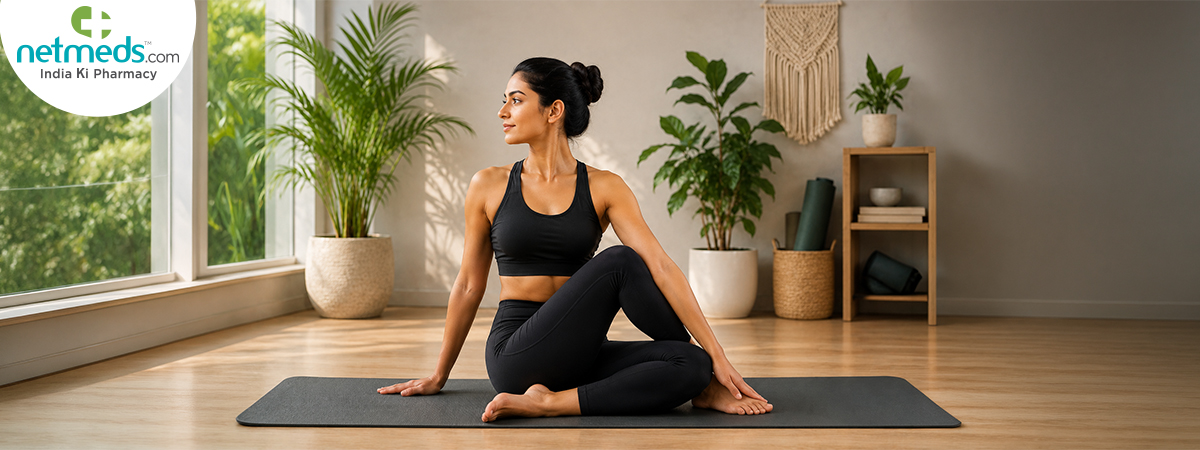
With regular practice, these yoga poses can help build a stronger abdomen, improve flexibility, and reduce the risk of hernia in a safe and sustainable way.
Let us get right to it; roll out your mat and start strengthening your core from within.
Why Core Strength Matters For Hernia Prevention
Your core is not just about abs; it includes muscles of the abdomen, lower back, and pelvis. These muscles support your internal organs and maintain proper posture.
When the core is weak:
Pressure builds up in the abdominal wall
Muscles fail to support internal organs effectively
Risk of hernia increases, especially during lifting or strain
Also Read: Hernia: Causes, Symptoms And Treatment
What does yoga do for your core?
Strengthens deep abdominal muscles
Improves posture and alignment
Enhances muscle control and stability
Reduces strain on the abdominal wall
Promotes mindful movement and breathing
Here are five best yoga poses to manage and prevent hernia at home.
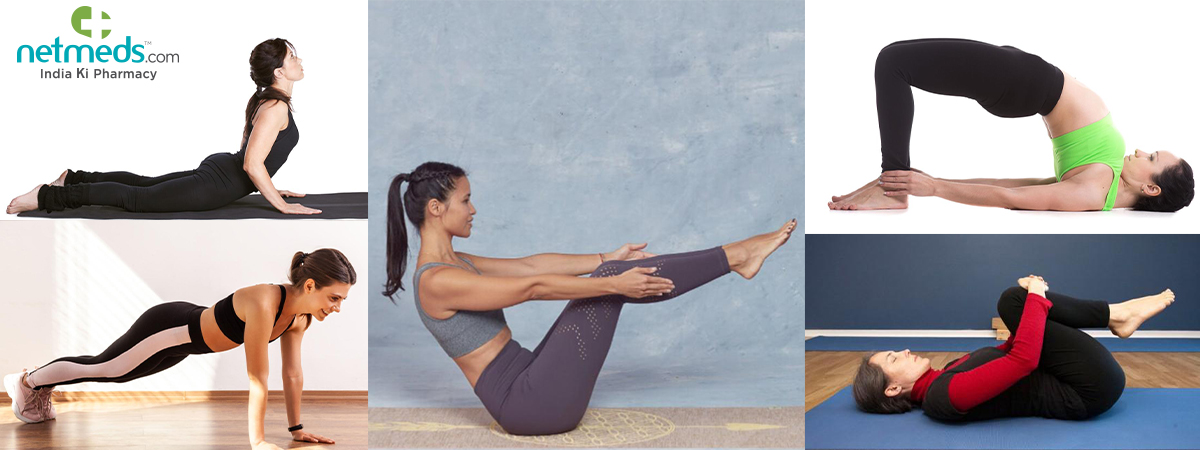
5 Best Yoga Poses For Hernia Prevention
Boat Pose (Navasana)
Sit on the floor, lean back slightly, and lift your legs off the ground. Extend your arms forward while keeping your spine straight. Hold for 15–30 seconds.
Benefits:
This pose directly targets the abdominal muscles, improves balance, and builds core endurance.
Plank Pose (Phalakasana)
Start in a push-up position with your body in a straight line. Engage your core and hold for 20–40 seconds while breathing steadily.
Benefits:
Plank strengthens the entire core, including the abdomen, shoulders, and back, making it essential for stability.
Bridge Pose (Setu Bandhasana)
Lie on your back, bend your knees, and lift your hips toward the ceiling. Keep your feet grounded and hold for 20–30 seconds.
Benefits:
This pose strengthens the lower abdomen and pelvic muscles while supporting spinal alignment.
Cobra Pose (Bhujangasana)
Lie on your stomach and gently lift your chest upward using your arms while keeping your lower body grounded. Hold for 15–20 seconds.
Benefits:
Cobra strengthens the lower back and abdominal muscles while improving flexibility.
Wind-Relieving Pose (Pavanamuktasana)
Lie on your back, bring your knees to your chest, and hold them with your hands. Stay in this position for 20–30 seconds.
Benefits:
This pose gently engages abdominal muscles and supports digestive health, reducing unnecessary abdominal pressure.
Tips For Better Results
Practice 4–5 times a week for consistency
Avoid holding your breath during poses
Focus on slow, controlled movements
Warm up before starting your session
Stay hydrated and maintain a healthy diet
Combine yoga with light physical activity
Who Should Practice These Poses?
Individuals with weak core muscles
People with sedentary lifestyles
Beginners looking to improve stability
Those wanting to prevent hernia naturally
Anyone aiming for better posture and strength
Precautions
Avoid intense core exercises if you already have a hernia
Do not strain or hold your breath
Modify poses if you feel discomfort
Pregnant women should consult a professional before practicing
Stop immediately if you feel sharp pain
Note: If you have a diagnosed hernia or any medical condition, consult your doctor before starting yoga.
Conclusion
A strong core is your body’s natural support system. By practicing these yoga poses regularly, you can build abdominal strength, improve stability, and reduce the risk of hernia in a safe and natural way.
Start slowly, stay consistent, and focus on proper form rather than intensity. Over time, these simple yet effective poses can make a noticeable difference in how strong and stable your body feels.
 Previous