Menopause is a natural biological process that signifies the end of a woman’s reproductive years. Though the average age for menopause is around 50, some women may experience menopause much earlier. This phenomenon is referred to as early menopause and can occur before the age of 45.
(Find The Right Nutritional Support For Menopause And Beyond, Shop Women's Wellness Supplements Now.)
This phase develops when the ovaries stop producing adequate levels of the hormones estrogen and progesterone, resulting in the cessation of ovulation and the menstrual cycle. This can remarkably affect the physical, emotional and reproductive health of women. Moreover, experiencing menopause at a younger age may increase the risk of several long-term medical conditions, making early diagnosis and proper management essential.
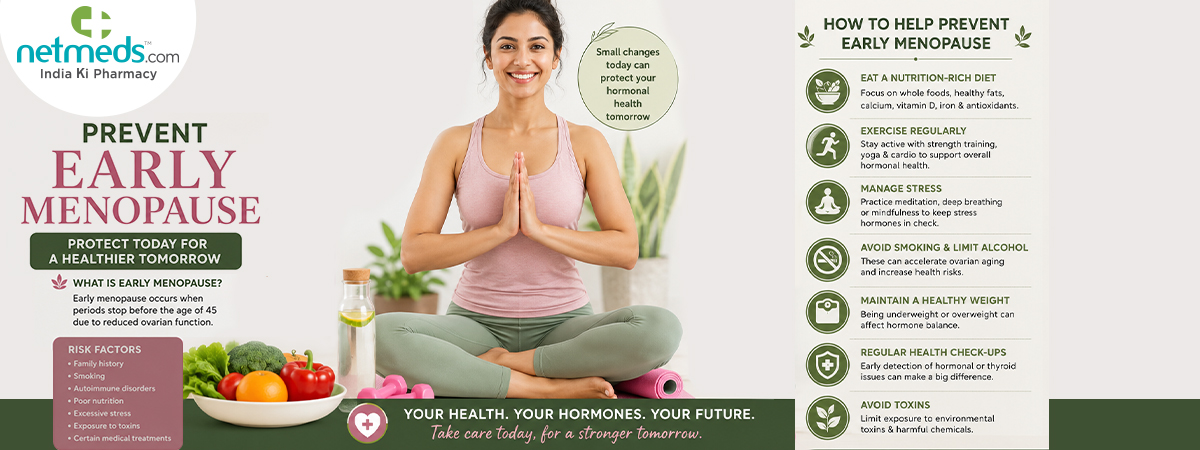
Explore this article to learn more about what early menopause is, causes, symptoms and management.
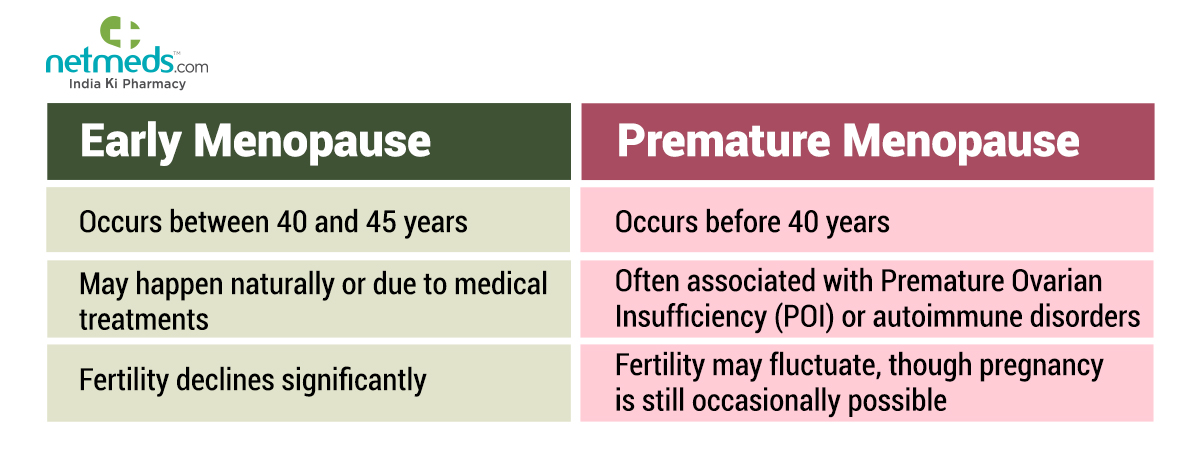
What Is the Difference Between Early Menopause and Premature Menopause?
Though mostly used interchangeably, they are different conditions.
Causes of Early Menopause
Genetic Predisposition
If your mother or sisters experienced menopause early, there is a higher likelihood that you may too. Family history plays a significant role in determining when menopause develops.
Autoimmune Disorders
Medical conditions such as thyroid disease, rheumatoid arthritis, lupus, and autoimmune adrenal disorders may cause the immune system to mistakenly attack healthy ovarian tissue, impairing their function and triggering early menopause.
Cancer Treatments
Chemotherapy and pelvic radiation therapy can damage ovarian follicles, leading to temporary or permanent menopause.
Surgical Removal of the Ovaries
Removal of both ovaries (bilateral oophorectomy) causes an immediate drop in estrogen levels, resulting in surgical menopause.
Certain Medical Conditions
Certain medical disorders such as Turner syndrome, Fragile X syndrome, metabolic disorders and viral infections affect ovarian function, resulting in premature menopause.
Lifestyle Factors
Smoking is one of the strongest modifiable risk factors for early menopause. Other contributing factors include poor dietary habits, underweight, chronic stress, excessive alcohol consumption, and environmental pollutants. These factors can stimulate ovarian ageing and hormonal decline.
Symptoms of Early Menopause
Symptoms of early menopause are very similar to natural menopause but occur at a younger age. Common symptoms include:
Irregular or missed periods
Vaginal dryness
Pain during intercourse
Mood swings
Anxiety and depression
Sleep disturbances
Reduced libido
Difficulty concentrating
Fatigue
Thinning of hair and dry hair
How Early Menopause Affects Women's Health
Reduced Fertility
For women wishing to conceive, early menopause can largely limit their chances. Fewer healthy eggs are produced during this phase, making natural conception hard. Fertility treatments or egg preservation may be necessary if family planning is a priority.
Bone Health
Estrogen plays a vital role in maintaining bone mineral density. Reduced levels accelerate bone loss, increasing the risk of osteoporosis and fractures.
Heart Disease
Lower estrogen levels may increase cholesterol levels elevates blood pressure; these factors can contribute to the risk of atherosclerosis and heart attack.
Mental Health Issues
The hormonal fluctuations associated with early menopause can aggravate anxiety, depression, mood changes and lack of confidence. Emotional distress is related to infertility.
Sexual Health Problems
Hormonal changes may lead to vaginal dryness, reduced lubrication, pain during intercourse and decreased libido; these changes can affect sexual wellness and intimacy.
Risk Factors
Women are more likely to experience early menopause if they:
Have a family history
Those who smoke regularly
Have autoimmune diseases
Undergo chemotherapy or radiation
Underwent ovarian surgery
Have certain genetic disorders
Are underweight
Also Read: Ayurveda For Menopause: Healing Herbs To Help Manage Hormones And Ageing
How Is Early Menopause Diagnosed?
Doctors usually diagnose early menopause based on symptoms, menstrual history, and laboratory tests. Blood investigations that may help diagnose early menopause include:
Follicle-Stimulating Hormone (FSH)
Estradiol (Estrogen)
Anti-Müllerian Hormone (AMH)
Pregnancy test (to rule out pregnancy)
Pelvic ultrasound
Bone mineral density (DEXA scan)
Effective Ways to Manage Early Menopause
Though menopause cannot be reversed, several treatments can help improve quality of life.
Hormone Replacement Therapy (HRT)
For women without contraindications, HRT is often recommended until the average age of natural menopause. It helps ease hot flashes, promote better sleep quality, improve bone and cardiovascular health, and lower vaginal dryness. Hormone replacement therapy must be used under proper medical supervision.
Balanced Diet
Eat a wholesome and balanced diet that includes foods rich in calcium, vitamin D, protein, magnesium, and omega-3 fatty acids. Have at least 3-5 servings of fresh fruits and vegetables, complex whole grains, superior quality protein and healthy fats.
Limit processed foods, excess sugar, alcohol, and caffeine if they worsen symptoms.
Exercise Regularly
Stay physically active and engage in regular workouts for at least 150 minutes per week. Regular exercise such as weight-bearing, strength training, walking, yoga, stretching and Pilates may support cardiovascular health, strengthen bones, and improve mental well-being.
Maintain a Healthy Weight
Being overweight or underweight may worsen menopausal symptoms and increase long-term health risks.
Prioritise Mental Well-being
Managing stress is important to optimise mental health. Engage in stress-easing techniques such as meditation, deep breathing, yoga, mindfulness, hobbies that interest you, counselling and sports.
Improve Sleep Hygiene
Maintain a regular sleep schedule and aim to get at least 7-9 hours of sound quality sleep daily. Keep the bedroom cool, reduce screen time before bed and avoid caffeine late in the day.
Quit Smoking
Smoking accelerates ovarian ageing and increases the risk of osteoporosis and cardiovascular disease.
Supplements
Some supplements may help support overall health during menopause when dietary intake is inadequate. Calcium, vitamin D, K, B complex, magnesium, omega-3 fatty acids, soy isoflavones and probiotics help immensely to ease symptoms and improve overall health. Always consult your gynaecologist before starting any supplement.
Dietary supplements are not intended to treat or cure menopause. Their benefits may vary among individuals, and they should be used under professional guidance.
Can Early Menopause Be Prevented?
Not all cases are preventable, especially those caused by genetics or medical treatments. However, women may reduce the risk by:
Avoiding smoking
Maintaining a healthy body weight
Exercising regularly
Managing chronic medical conditions
When Should You See a Doctor?
Seek medical advice if you:
Stop menstruating before age 45
Experience persistent hot flashes
Notice severe mood changes
Have difficulty becoming pregnant
Experience unexplained irregular periods
Develop symptoms that interfere with daily life
Early evaluation can help identify the cause and reduce long-term complications.
Frequently Asked Questions
What Are The First Signs Of Early Menopause?
The earliest signs include irregular or missed periods, hot flashes, night sweats, mood changes, sleep disturbances, vaginal dryness, and reduced fertility.
Can A Woman Get Pregnant After Early Menopause?
Natural pregnancy becomes highly unlikely once menopause is confirmed because ovulation has stopped permanently. However, pregnancy may still be possible during the transition period if ovulation occurs occasionally.
Which Vitamins Are Beneficial During Early Menopause?
Calcium, vitamin D, magnesium, vitamin K2, B-complex vitamins, and omega-3 fatty acids are commonly recommended to support bone, heart, and overall health. Supplement use should be individualised and guided by a healthcare provider.
Conclusion
Early menopause is not just the end of menstrual cycles, but it can impair fertility, bone and heart health, mental wellness and overall quality of life. A combination of healthy lifestyle habits, balanced nutrition, regular exercise, appropriate medical treatment, and targeted supplements can help reduce symptoms and support long-term health.
References:
Long-term health consequences of premature or early menopause and considerations for management
Stephanie S Faubion 1, Carol L Kuhle 1, Lynne T Shuster 1, Walter A Rocca 2
https://pmc.ncbi.nlm.nih.gov/articles/PMC4581591/
https://www.sciencedirect.com/topics/medicine-and-dentistry/early-menopause
 Previous