Ever find yourself tossing and turning at night, replaying the day in your head? You are not alone. Between long work hours, screen time, and daily stress, your mind often refuses to switch off when your body is begging for rest.
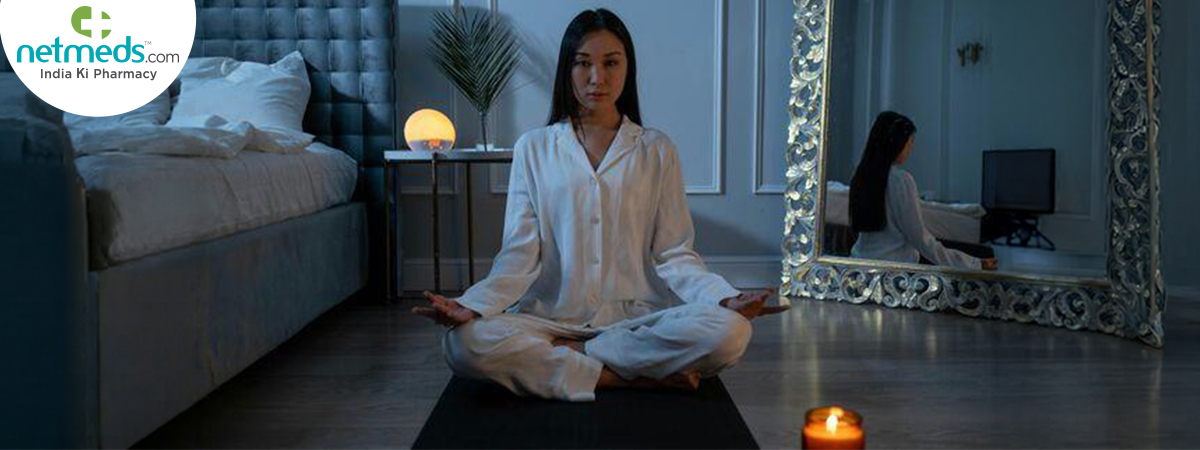
Here is the thing; your body needs a signal that it is time to slow down. That is where a simple night yoga routine comes in. With gentle stretches, mindful breathing, and calming poses, yoga helps release tension, quiet your thoughts, and prepare your body for deep, restful sleep.
It does not matter if you are a beginner or someone who barely finds time during the day. These five soothing yoga poses are easy, effective, and perfect for winding down after a long day.
So, dim the lights, roll out your mat, and let your body relax into the night.
Also Read: Lower Back Pain Relief: Best Yoga Poses To Ease Stiffness Naturally
Why Bother With Night Yoga?
Your body carries stress in ways you might not even notice—tight shoulders, a stiff back, or restless legs. When you go straight from screens to bed, your nervous system stays alert, making it harder to fall asleep.
What does yoga actually do before bedtime?
Calms your nervous system
Relaxes tight muscles and reduces body tension
Slows down your breathing and heart rate
Helps reduce stress and anxiety
Improves overall sleep quality
Without further ado, here are 5 best yoga poses for better sleep and overall health.
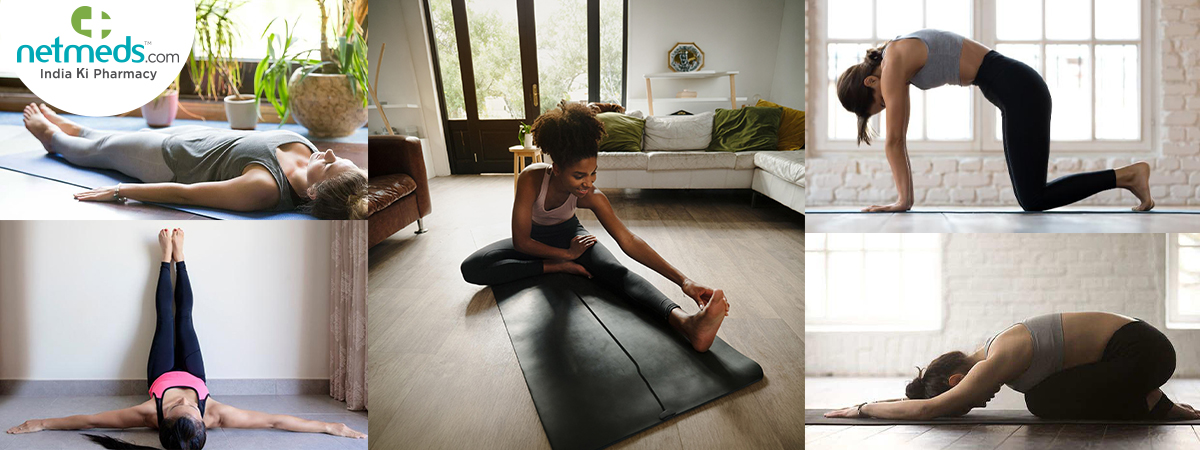
5 Best Yoga Poses for Better Sleep
Child’s Pose (Balasana)
Kneel on the floor, sit back on your heels, and stretch your arms forward while lowering your forehead to the mat. Stay here for 30–60 seconds.
Benefits:
This pose gently stretches your back, relaxes your shoulders, and signals your body to slow down and rest.
Legs Up The Wall (Viparita Karani)
Lie on your back and place your legs up against a wall. Let your arms rest by your sides and breathe deeply for 1–2 minutes.
Benefits:

mproves blood circulation, reduces leg fatigue, and deeply relaxes your nervous system.
Cat-Cow Pose (Marjaryasana-Bitilasana)
Start on all fours. Inhale as you arch your back (cow pose), and exhale as you round it (cat pose). Repeat slowly for 5–8 breaths.
Benefits:
The cat-cow pose releases spinal tension, improves flexibility, and helps your body transition into relaxation mode.
Seated Forward Bend (Paschimottanasana)
Sit with your legs extended and slowly fold forward, reaching for your feet. Hold for 30–60 seconds.
Benefits:
This forward-bending pose calms the mind, stretches the spine and hamstrings, and helps reduce anxiety.
Corpse Pose (Savasana)
Lie flat on your back with arms relaxed and eyes closed. Focus on slow, deep breathing for 2–5 minutes.
Benefits:
The corpse pose promotes deep relaxation, reduces stress, and prepares your body for restful sleep.
Bonus Tips for Better Sleep
Keep your room dim and quiet
Avoid screens at least 30 minutes before bed
Practice deep breathing along with yoga
Stick to a consistent bedtime routine
Drink herbal tea for extra relaxation
Who Should Try Night Yoga?
Anyone struggling with poor sleep or insomnia
People with high stress or anxiety levels
Office workers with sedentary lifestyles
Beginners looking for gentle yoga practices
Anyone wanting to unwind after a long day
Precautions
Avoid intense or fast-paced yoga at night
Do not overstretch; keep movements gentle
If you have injuries, modify poses accordingly
Pregnant women should practice under guidance
Stop immediately if you feel discomfort
Note: If you have chronic sleep disorders or medical conditions, consult a healthcare professional before starting yoga.
Frequently Asked Questions
Can yoga really improve sleep quality?
Yes, yoga helps calm the nervous system and relax the body, making it easier to fall and stay asleep.
How long should I practice night yoga?
Even 10–15 minutes is enough to relax your body and prepare for sleep.
Is night yoga safe for beginners?
Absolutely, these gentle poses are beginner-friendly and easy to follow.
Can yoga help with insomnia?
Yes, regular practice can reduce stress and improve sleep patterns over time.
What is the best time to do night yoga?
Practice 20–30 minutes before bedtime for the best results.
Conclusion
A good night’s sleep is not a luxury; it is a necessity. And sometimes, all your body needs is a gentle nudge to unwind.
These five simple yoga poses can help you release stress, relax your muscles, and calm your mind after a long day. The best part? You do not need hours; just a few mindful minutes can make all the difference.
So tonight, instead of scrolling endlessly, roll out your mat, breathe deeply, and let yoga guide you into restful sleep. Your mind and body will thank you.
References:
- https://pubmed.ncbi.nlm.nih.gov/30673642/
- https://www.ncbi.nlm.nih.gov/pmc/articles/PMC6971834/
- https://www.ncbi.nlm.nih.gov/pmc/articles/PMC3768215/
 Previous