When we think about complete proteins, eggs often top the list as they comprise all nine essential amino acids in the right proportions. However, these days many people are looking for plant-based protein alternatives for ethical, environmental, health and dietary reasons.
And the good news is that umpteen varieties of plant proteins are complete proteins too, delivering an amino acid profile comparable to eggs, along with additional perks like fiber, antioxidants, and zero cholesterol.
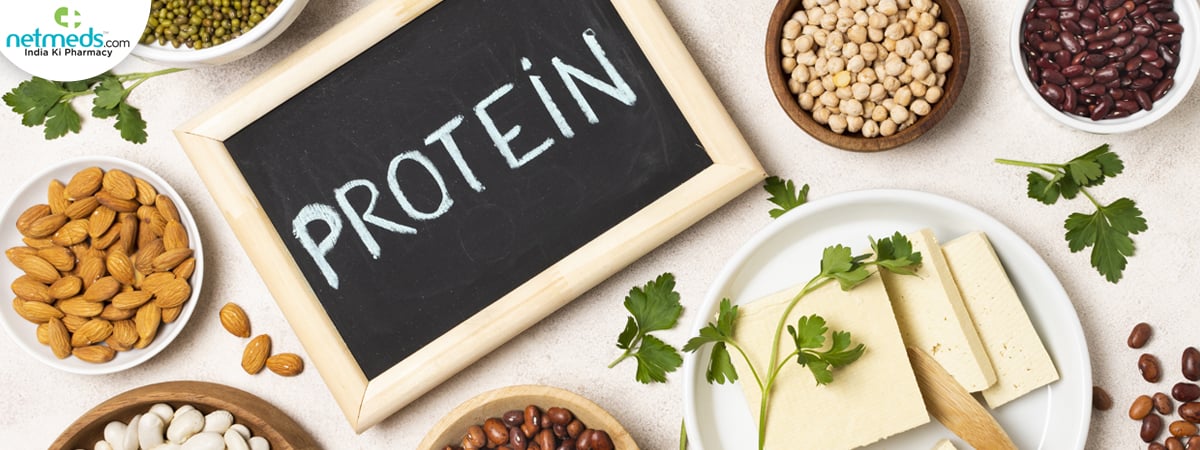
Moreover, eating more plant-based sources is a worthy goal that confers numerous health benefits, including lowering risk of diabetes, inflammation and risk of certain types of cancer.
Nourish Yourself From Our Wide Range Of Protein Supplements To Promote Growth And Repair
To help you on this healthy journey, we have curated a list of five plant-based foods that pack more protein than an egg.
5 Best Plant-Based Protein Sources
Quinoa
Quinoa is often called a super grain and the gold standard of plant protein sources. Though technically it’s a seed. It stands out as one of the best plant-based complete proteins.
Nutrition (per 100 g cooked)
Protein: ~4.4 g
Calories: ~120 kcal
Fiber: ~2.8 g
Magnesium, iron, phosphorus
Contains all 9 essential amino acids, particularly rich in lysine.
Also Read:5 Marvelous Plant -Based Protein Sources For Overall Health- Infographic
Health Benefits
Quinoa is a gluten-free pseudocereal suitable for people with irritable bowel disorder. Regular addition of quinoa supports building muscle mass, growth and repair. The goodness of dietary fiber improves gut health, prevents digestive issues and manages blood sugar spikes.
Uses
Quinoa can be used as a rice substitute.
Quinoa is wholesome and healthy in salads and bowls.
Nutritious breakfast porridge.
Soybeans
Soybeans are one of the few plant powerhouse foods whose protein quality rivals that of eggs and most animal products.
Nutrition (per 100 g cooked)
Protein: ~16–18 g
Calories: ~170 kcal
Healthy fats (omega-6)
Calcium, iron, potassium
Isoflavones (plant antioxidants)
Health Benefits
Soybeans are an excellent choice of legumes for building muscle mass and supporting recovery. The wealth of nutrients in soybeans diminishes bad cholesterol and optimises cardiac health. In addition, the phytonutrients help manage menopausal symptoms and maintain hormonal balance.
Uses
Boiled soybeans make it into rich gravies and stir-fries.
Soy milk, tofu, and tempeh are byproducts obtained from soybeans that have umpteen uses.
Soy flour is used for baking protein-packed delights.
Soy chunk is a perfect vegan meat substitute.
Chia Seeds
These tiny powerhouses pack an impressive nutritional punch, including complete protein and other vital nutrients.
Nutrition (per 100 g)
Protein: ~17 g
Calories: ~486 kcal
Fiber: ~34 g
Omega-3 fatty acids
Calcium, magnesium, and iron
Also Read: Discover The Health Benefits Of Chia seeds
Health Benefits
Adding chia seeds into daily diet promotes satiety and sheds surplus kilos. Being a vegan source of omega-3 fatty acids, chia seeds promote heart health, brain function and memory. It is also beneficial in stabilising blood sugar levels and improving gut health.
Uses
Chia pudding and power-packed smoothies.
Sprinkled over salads or oats.
Egg substitute in vegan baking.
Buckwheat
Despite its name, buckwheat is gluten-free and is actually a seed related to rhubarb and a protein source for vegans.
Nutrition (per 100 g cooked)
Protein: ~3.4 g
Calories: ~92 kcal
Fiber: ~2.7 g
Magnesium, manganese
Contains all essential amino acids
Health Benefits
This superior quality seed supports cardiovascular health and promotes insulin sensitivity. Potent anti-inflammatory effects ease inflammation, uplift gut health and overall well-being.
Uses
Make healthy and nutritious buckwheat porridge.
Substitute refined flour and make wholesome pancakes and noodles.
Flour for baking.
Hemp Seeds
Hemp seeds are often compared to eggs because of their highly digestible, complete protein load.
Nutrition (per 100 g)
Protein: ~31 g
Calories: ~553 kcal
Healthy fats (omega-3 & omega-6)
Zinc, iron, magnesium
Health Benefits
Hemp seeds are an excellent choice for muscle recovery and stimulate the immune response. The rich micronutrient profile in hemp seeds supports skin and hair health. In addition, they contain abundant plant compounds that promote hormonal balance and bone health.
Uses
Hemp seeds are added to smoothies for richness and flavour.
Sprinkled on salads or yogurt to boost nutrition.
It is used to make homemade protein powders and energy bars.
Conclusion
Eggs are a popular, superior-quality protein source. There is a rich array of plant-based protein options, with more protein, such as quinoa, soybeans, chia seeds, buckwheat, and hemp seeds. From the list, soybeans and buckwheat are the only complete proteins, which contain all nine essential amino acids. Hence, to meet your daily nutritional needs, especially if you are a vegan or a vegetarian, it’s important to eat a balanced and varied diet containing whole grains, vegetables, legumes, nuts and seeds regularly.
References:
Sustaining Protein Nutrition Through Plant-Based Foods
Sapna Langyan 1,*, Pranjal Yadava 2,*, Fatima Nazish Khan 3, Zahoor A Dar 4, Renu Singh 2, Ashok Kumar 1
https://pmc.ncbi.nlm.nih.gov/articles/PMC8804093/
Protein Adequacy, Plant Protein Proportion, and Main Plant Protein Sources Consumed Across Vegan, Vegetarian, Pescovegetarian, and Semivegetarian Diets: A Systematic Review
Maryann R Rolands ,Laura S Hackl , Murielle Bochud 1 3, Kim Anne Lê 2
https://www.sciencedirect.com/science/article/pii/S0022316624004504
 Previous