Every breath we take depends on healthy lungs, yet we often don't think about them until breathing becomes difficult. From air pollution and smoking to infections and occupational exposure, several everyday factors can gradually affect respiratory health.
World Lung Day 2026, observed on September 25, provides an opportunity to raise awareness about lung diseases, encourage prevention and remind people that protecting lung health is essential at every age.
Also Read: World Lung Cancer Day 2026: Theme, Importance, Early Warning Signs And Prevention Tips
Let us understand the significance of World Lung Day and explore 10 major threats to lung health and simple ways to reduce your risk.
What Is World Lung Day?
World Lung Day is observed annually on September 25 to highlight the importance of lung health and increase awareness about respiratory diseases.
The day brings attention to conditions such as asthma, chronic obstructive pulmonary disease (COPD), lung cancer, pneumonia, tuberculosis and other respiratory illnesses.
It also encourages people to recognise respiratory symptoms early, reduce exposure to harmful substances and adopt healthier lifestyle habits.
Also Read: World Lung Day 2025: Theme, Significance And 5 Strategies for Better Respiratory Health
World Lung Day 2026 Theme
The theme for World Lung Day 2026 is ‘A Lifetime of Lung Health’, established by the Forum of International Respiratory Societies (FIRS). The broader focus of this theme remains consistent: promoting healthy lungs, preventing respiratory disease and improving access to respiratory care.
Whether you are a smoker, live in an area with high pollution or simply want to maintain healthy lungs, World Lung Day is a good reminder to take respiratory health seriously.
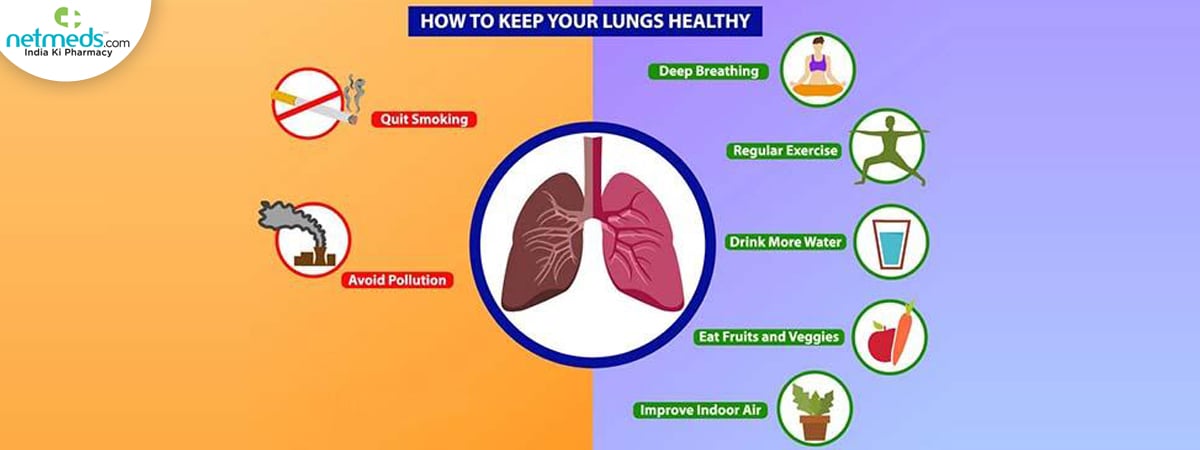
10 Major Threats To Lung Health And How To Avoid Them
Smoking
Cigarette smoking is one of the biggest preventable threats to lung health. Tobacco smoke damages lung tissue and increases the risk of COPD, lung cancer and other respiratory diseases.
How to avoid it?
Quit smoking and avoid starting tobacco products. Seek professional support if you need help quitting.
Second-Hand Smoke
You don't have to smoke yourself to be affected by tobacco smoke. Regular exposure to second-hand smoke can also harm the respiratory system.
How to avoid it? Maintain smoke-free homes, cars and workplaces and avoid spending time around people who are smoking.
Air Pollution
Outdoor air pollution from traffic, industrial emissions, construction and other sources can expose the lungs to harmful particulate matter and gases.
How to avoid it?
Check local air-quality levels, reduce outdoor exertion when pollution is particularly high and use appropriate respiratory protection when necessary.
Indoor Air Pollution
Cooking smoke, biomass fuels, tobacco smoke, mould and poorly ventilated spaces can contribute to indoor air pollution.
How to avoid it?
Improve ventilation, maintain clean cooking environments and address dampness and mould promptly.
Occupational Exposure
Workers in construction, mining, manufacturing, agriculture and certain industrial settings may encounter dust, fumes, chemicals or other substances that can damage the lungs.
How to avoid it?
Follow workplace safety guidelines and consistently use recommended protective equipment.
Respiratory Infections
Viral and bacterial respiratory infections can affect the lungs and, in some cases, lead to complications such as pneumonia.
How to avoid it?
Practise good hand hygiene, stay home when ill, maintain recommended vaccinations and seek medical care for symptoms concerning.
Physical Inactivity
A sedentary lifestyle may contribute to poorer overall cardiovascular and physical fitness, which can make everyday activities feel more demanding.
How to avoid it?
Aim for regular physical activity appropriate for your fitness level. Walking, cycling, swimming and other aerobic activities can support overall cardiorespiratory fitness.
Poorly Controlled Asthma
Asthma causes inflammation and narrowing of the airways and may lead to wheezing, coughing, chest tightness and breathlessness.
How to avoid complications?
Follow your asthma management plan, identify personal triggers and use prescribed medicines correctly.
Harmful Chemical Exposure
Some household and industrial chemicals can irritate the respiratory tract, particularly when inhaled in poorly ventilated spaces.
How to avoid it?
Follow product instructions, improve ventilation and use appropriate protective equipment when handling chemicals.
Delaying Respiratory Symptoms
Persistent coughing or breathlessness should not simply be blamed on ageing, pollution or seasonal changes.
How to avoid complications?
Seek medical evaluation for symptoms such as a persistent cough, unexplained breathlessness, chest pain, coughing up blood, recurrent respiratory infections or unexplained weight loss.
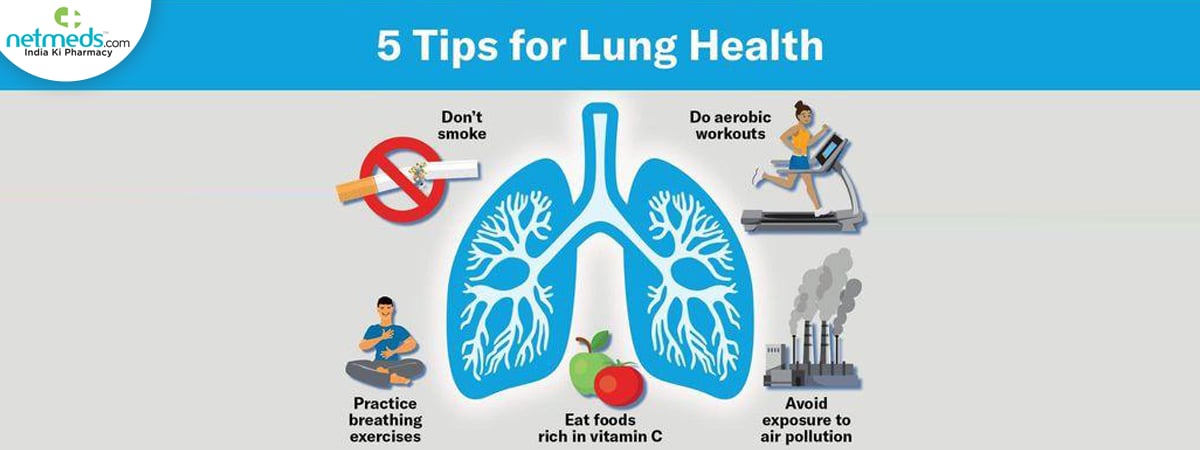
Simple Habits For Healthier Lungs
Along with avoiding major risk factors, incorporate these habits into your routine:
Don't smoke or use tobacco.
Avoid second-hand smoke.
Stay physically active.
Keep indoor spaces well ventilated.
Reduce exposure to dust, fumes and chemicals.
Follow recommended vaccination schedules.
Manage asthma and other chronic respiratory conditions properly.
Practise good hand hygiene.
Get persistent respiratory symptoms evaluated.
Can You Detox Your Lungs Naturally?
‘Lung detox’ products and drinks are widely marketed online, but your lungs have their own natural defence and clearance mechanisms.
There is no magic drink or supplement that can undo the damage caused by smoking or prolonged pollution exposure. The most effective approach is to remove or reduce harmful exposures and support overall health.
Quitting smoking is particularly important. After stopping, the body begins to experience health benefits, although recovery varies depending on how long and how much a person smoked.
When Should You See A Doctor?
Don't ignore persistent respiratory symptoms. Consult a healthcare professional if you experience:
Breathlessness that is new or worsening
A persistent or worsening cough
Wheezing
Chest pain
Coughing up blood
Recurrent chest infections
Reduced ability to perform everyday activities
Early evaluation can help identify respiratory problems and ensure appropriate treatment.
Conclusion
World Lung Day 2026 reminds us that healthy lungs are essential for an active and fulfilling life. Smoking, second-hand smoke, air pollution, occupational exposure, infections and other environmental and lifestyle factors can threaten respiratory health.
The good news is that many lung-health risks are modifiable. Avoid tobacco, minimise harmful exposures, stay active, maintain good indoor air quality, follow vaccination recommendations and don't ignore persistent respiratory symptoms.
Your lungs work every moment of every day. Give them the care they deserve, not just on World Lung Day, but throughout the year.
References:
1.World Health Organization – Chronic Respiratory Diseases
Covers major chronic respiratory diseases, including COPD and asthma, along with prevention and risk factors.
WHO – Chronic Respiratory Diseases
2.World Health Organization – Tobacco
Supports the section on smoking, tobacco exposure and its effects on respiratory and overall health.
3.CDC – Health Problems Caused by Secondhand Smoke
Provides evidence on the respiratory and other health risks associated with exposure to second-hand tobacco smoke.
CDC – Secondhand Smoke Health Effects
4.World Health Organization – Air Pollution
Useful for information on outdoor air pollution, particulate matter, lung cancer, COPD and respiratory infections.
5.WHO – Household Air Pollution and Health
Supports the sections on indoor pollution, cooking smoke, biomass fuels, ventilation and respiratory health.
WHO – Household Air Pollution and Health
6.WHO – Health Effects of Air Pollution: 2026 Technical Brief
A recent WHO technical resource covering evidence on air pollution and respiratory health, including vulnerable populations.
WHO – Health Effects of Air Pollution: Evidence and Implications
7.CDC – Occupational Lung Disease
Useful for supporting information about workplace exposure to dust, fumes, chemicals and other substances that can affect lung health.
CDC – Occupational Lung Disease
8.National Heart, Lung, and Blood Institute – Asthma
Supports the section on asthma, airway inflammation, symptoms, triggers and asthma management.
9.World Health Organization – Respiratory Infections
Useful for information about respiratory infections, prevention and the importance of vaccination and hygiene.
WHO – Respiratory Tract Diseases / Respiratory Infections
10.American Lung Association – Exercise and Lung Health
Supports the section on physical activity and maintaining cardiorespiratory fitness.
 Previous