Most of us believe that eating iron-rich foods like moringa, spinach, dates, jaggery, or red meat will instantly boost iron levels. However, the fact is that iron metabolism is really complicated. Your body’s ability to absorb and utilise iron depends on the right food combinations, nutrient interactions and timings of meals. This is the reason why some people still have low haemoglobin levels despite consuming iron-loaded foods.
(Beat Fatigue and Anemia With Our Best-Selling Iron Supplements!)
Dive into this article to know more about why this happens and how well you can optimise your diet for better assimilation of iron.
Why Iron-Rich Foods May Not Boost Iron Levels?
Poor Iron Absorption
Well, not all dietary iron is absorbed equally. There are two types of iron:
Heme iron sources include animal foods like meat, fish, and poultry, are readily absorbed.
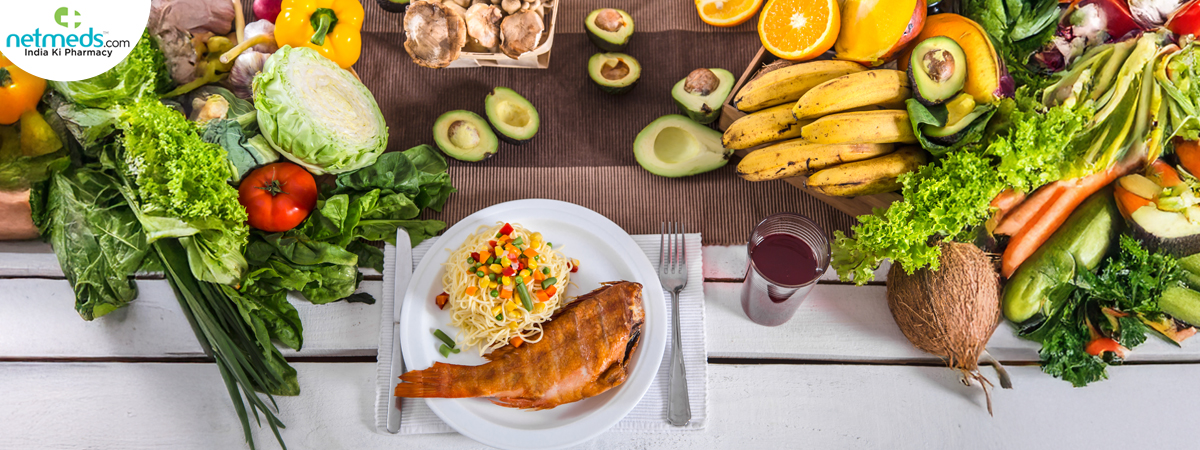
Non-heme iron sources, comprises plant foods like greens, lentils, and millets, are less efficiently absorbed.
Vegetarians and vegans rely on non-haem sources, which can lower absorption rates, particularly if food is not properly paired with.
Also Read: Iron: Functions, Food Sources, Supplements, Deficiency and Toxicity
Presence of Iron Blockers
Certain plant compounds in foods can significantly impede iron absorption; these include
Phytates are found in whole grains and legumes.
Calcium-rich food sources include milk, cheese, and supplements.
Polyphenols and tannins are found in tea, coffee and caffeinated drinks.
Drinking tea immediately after having a iron rich meals can reduce iron absorption by up to 60–70%.
Low Stomach Acid
An acceptable amount of stomach acid helps convert iron into an easily absorbable form. However, stress, ageing, excessive antacid use or digestive discomfort can reduce stomach acid and interfere with iron uptake.
Underlying Medical Conditions
Health anomalies like anemia due to chronic disease, gut inflammation, heavy menstrual cycle or intestinal disorders can affect iron levels from improving despite dietary intake.
Why Food Combinations Matter?
Pairing foods rightly can dramatically improve iron absorption.
Combine Iron with Vitamin C
Vitamin C is an essential nutrient that helps convert iron into a more absorbable form. Some of the perfect combinations include
Spinach and potatoes gravy.
Dal and tomato curry.
Iron-fortified cereals and a citrus fruit smoothie.
Sprouts salads drizzled with lemon juice.
This simple way can increase your absorption by up to 3 times and boost haemoglobin levels remarkably.
Avoid Pairing Iron with Calcium-Rich Foods
Calcium competes with iron for absorption. Hence, avoid pairing:
Iron-rich meals with milk or curd
Iron supplements with dairy products.
Instead, consume calcium foods at a different time of day.
Reduce Tea / Coffee Around Meals
Avoid drinking any caffeinated drinks at least 1-2 hours after meals to prevent interaction and enhance iron absorption.
Also Read: Iron: Uses, Benefits, Of This Essential Nutrient For Skin And Hair Health
Why Timing of Meals Matters
Take Iron When Absorption Is Highest
Iron-rich foods are best absorbed on an empty stomach or between meals; however, some people need food to prevent abdominal discomfort.
Spread Iron Intake Throughout the Day
Instead of one large iron-rich meal, include smaller sources across meals to improve overall absorption.
Morning vs Night Time
Ensure to pair vitamin C foods in the morning meals, as this helps absorption of iron owing to better digestive efficiency.
What Are Signs Your Body May Not Be Absorbing?
Pale skin
Hair fall
Breathing issues
Frequent headaches
Brittle nails
If symptoms persist, testing haemoglobin levels is important.
Tips to Improve Iron Levels Naturally
Pair a plant source of iron with vitamin C-rich foods to boost haemoglobin levels.
Limit intake of tea/coffee immediately after meals.
Cook in cast iron or iron cookware.
Include some heme iron sources on a weekly basis if you are non-vegetarians.
Enhance good gut health and function.
Avoid excessive calcium with iron meals.
Space out supplements properly.
Conclusion
Consuming iron-rich foods alone is not enough to boost haemoglobin levels; absorption is the key factor. The right food combinations, spacing meals appropriately and eliminating iron blockers can help you remarkably enhance your body’s ability to utilise iron and maintain healthy levels.
References:
Dietary Iron
Fady Moustarah; Sharon F. Daley.
https://www.ncbi.nlm.nih.gov/books/NBK540969/
Dietary strategies for improving iron status: balancing safety and efficacy
Andrew M Prentice 1,✉, Yery A Mendoza 1, Dora Pereira 1, Carla Cerami 1, Rita Wegmuller 1, Anne Constable 1, Jörg Spieldenner 1
https://pmc.ncbi.nlm.nih.gov/articles/PMC5155616/
 Previous