Once you hit 30, hanging onto your muscle takes on a whole new level of importance. It is just part of getting older; your muscle mass and strength slowly slip away, and you feel it in everything from your metabolism to your balance, even your bones. That loss makes everyday life trickier and can mess with your independence down the line. Here is the upside: if you get enough protein each day, do regular strength training, and eat protein-rich meals at the right times, you can really help your body fight back against muscle loss.
Also Read: Are You Getting Enough Protein? Symptoms, Food Sources, And Common Myths Explained
Most people just pay attention to total protein, but there is more to it. Studies show that when you eat your protein and how you spread it out during the day actually matter. The body just doesn’t build muscle as efficiently after 30, so timing your protein right can make a big difference.
Want To Build Lean Muscle And Maintain Body Weight, Shop From Our Best Selling Protein supplements

Why Muscle Changes After 30?
Somewhere in your 30s or 40s, muscle mass and strength start to dwindle. Left unchecked, it can turn into sarcopenia, where muscle loss messes with your strength and ability to move. Here is why: your body is always breaking down and rebuilding muscle. When you are young, even a little exercise or a chicken breast sends your muscle-building machinery into overdrive. But after 30, the engine sputters a bit; you will need a little more protein or better timing to get the same muscle-building effect.
The worst plan? Trying to cram all your protein into one massive meal. It is far better to eat smaller amounts of protein throughout the day and match it with strength workouts for real results.
Also Read: Why Should You Start Your Day With A Protein-Rich Breakfast? Find Out Here
How Timing Helps Your Muscles?
Protein isn’t just about numbers, it is about the amino acids, especially leucine, that trigger muscle repair and growth (muscle protein synthesis, or MPS, if you like acronyms). When you lift weights, you ramp up MPS. Eat some protein around that workout, and you amplify the effect.
Here is something key: studies show that the window right after a workout; say, within a couple of hours, makes a real difference. Eating protein soon after you exercise helps your body grab every bit of benefit. But don't overthink it. If you eat enough protein in a day, that trumps obsessing over timing. Timing is like the cherry on top: it just helps your body get protein where it needs it, when it needs it.
How Much Protein Do You Really Need After 30?
The official RDA is still 0.8 grams per kilogram of body weight a day for adults. But plenty of experts say that is not enough to hang onto muscle, especially if you are active or getting older.
So, what actually works?
General adult intake: 0.8 g/kg/day
To maintain muscle after 30 (or with higher activity): 1.0–1.2 g/kg/day
Per meal: 20–40 g of high-quality protein
Spread it out: Protein at breakfast, lunch, and dinner
In plain English: If you weigh 70 kg, aim for about 70–84 g a day. That specific number might shift depending on your workouts, health, and doctor’s advice.
Now, let us talk timing.
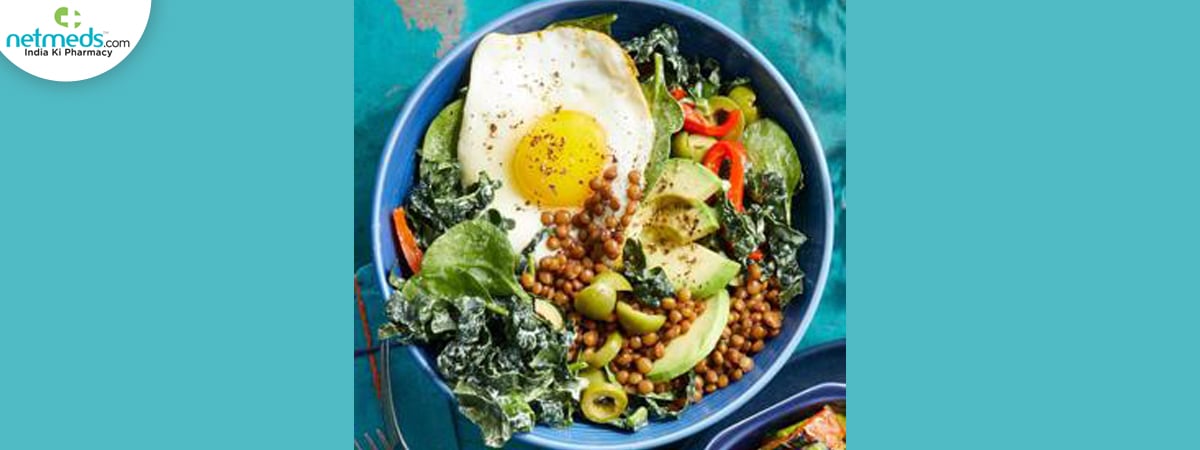
Best Times to Eat Protein
Breakfast: Start Strong
Most people skimp on protein in the morning. Big mistake. Getting 20–30 g at breakfast helps close the protein gap we create by front-loading carbs and saving protein for dinner.
Try:
Greek yogurt with nuts and berries
A couple of eggs on whole-grain toast
Paneer bhurji with roti
A protein smoothie (milk, curd, or plant-based powder)
Sprouts poha or moong chilla
Lunch: Keep Up the Supply
Lunch is prime time for protein, especially if you’re active. Think 25–35 g.
Good choices:
Dal or chana with rice or roti
Grilled fish or chicken with vegetables
Paneer or tofu curry with whole grains
Lentil soup and whole-grain roll
The idea: balance protein with healthy carbs and fats for energy and recovery.
After Workouts: Repair And Recover
Done lifting or cycling? Your muscles are begging for protein within 1–2 hours; doesn’t have to be a shake, any protein meal works.
Options:
Yogurt with fruit
Eggs and toast
Paneer sandwich
Chicken or soya wrap
Research backs this up: protein soon after training means better muscle gains.
Dinner: Steady, Not Heavy
Don’t let dinner be your only high-protein meal. If you put all your eggs in the dinner basket (so to speak), you are short-changing your muscles the rest of the day.
Aim for 25–35 g here too. Try:
Dal and veggies with roti
Paneer tikka and sautéed veg
Grilled fish or chicken salad
Tofu stir-fry
Before Bed: Only If You Need It
Someone probably told you to eat protein before sleeping for extra muscle gains. It does help a little, especially if you train at night or struggle to hit your daily target. If you’re already eating enough protein, a bedtime snack likely won’t make much difference.
If you want to try it:
Curd or paneer
A small bowl of dal
Protein shake
Best Protein Sources for Muscle
Quality matters just as much as quantity. You want complete proteins with all essential amino acids.
Eggs: 6–7 g each
Greek yogurt/curd: 10–20 g per serving
Paneer: 18–20 g per 100 g
Chicken breast: 25–30 g per 100 g cooked
Fish: 20–25 g per 100 g
Lentils/dal: 9 g per 100 g cooked
Tofu/soya: 10–50 g depending on the type
Milk: 8 g per 250 ml
Chickpeas/rajma: 7–9 g per 100 g cooked
Vegetarian? Combine plant proteins like dal with rice, roti with chana, or peanut butter on whole-grain bread, to get all the essential amino acids.
Does Timing Matter More Than Total Protein?
Honestly, no. Eating enough protein for your body is what really counts. If you never reach your daily target, even flawless timing won’t save your muscles. But if you are already close, spacing it out through the day helps your body use it better.
Here Is What a Day of Protein Might Look Like
For a 70 kg adult aiming for 80–90 g of protein:
8:00 AM: Eggs, curd, or a protein smoothie: 20–25 g
1:00 PM: Dal, paneer, chicken, fish, or soya with grains: 25–30 g
5:00 PM: Yogurt, roasted chana, milk, or nuts: 10–15 g
8:00 PM: Dal, tofu, paneer, fish, or chicken with veggies: 25–30 g
Work out? Try to place one of these higher-protein meals or snacks within 1–2 hours after. No need to rely on supplements, whole foods do the job.
Precautions
If you have kidney disease or other health issues, don’t ramp up protein without talking to your doctor.
Everyone’s protein needs are a bit different, your age, activity, life stage, and goals all play a role.- Use supplements only if you really need the convenience. Food comes first.
Don’t turn meals into just a protein shake, matters.
Combine protein with lifting weights, good sleep, and enough calories and hydration.
Conclusion
Your muscle-building machine gets a little rusty after 30. The fix? Eat 20–40 g of high-quality protein at regular times, especially at breakfast, lunch, and after workouts. Don’t dump all your protein at dinner. Spread it out, keep lifting, and stay consistent. That is the recipe for strong, healthy muscles that help you stay active and independent for the long haul.
References:
Timing of postexercise protein intake is important for muscle hypertrophy —
https://pmc.ncbi.nlm.nih.gov/articles/PMC2278776/
Protein intake and exercise for optimal muscle function with aging —
https://pmc.ncbi.nlm.nih.gov/articles/PMC4208946/
Rational Use of Protein Supplements in the Elderly —
https://pmc.ncbi.nlm.nih.gov/articles/PMC8068133/
Skeletal muscle protein metabolism in the elderly —
https://pmc.ncbi.nlm.nih.gov/articles/PMC3201893/
Protein Intake and Muscle Health in Old Age —
https://pmc.ncbi.nlm.nih.gov/articles/PMC4882708/
Pre-Sleep Protein Ingestion to Improve Skeletal Muscle Adaptive Response —
https://pmc.ncbi.nlm.nih.gov/articles/PMC5188418/
Resistance Exercise and Muscle Protein Metabolism —
https://pmc.ncbi.nlm.nih.gov/articles/PMC4188243/
Dietary Protein and Muscle in Older Persons —
https://pmc.ncbi.nlm.nih.gov/articles/PMC4162481/
Protein Intake and Muscle Function in Older Adults —
https://pmc.ncbi.nlm.nih.gov/articles/PMC4394186/
Dietary Protein Quantity, Quality, and Exercise Are Key to Healthy Ageing —
https://pmc.ncbi.nlm.nih.gov/articles/PMC6563776/
 Previous