


Are you aware that nearly one-third of all food made globally goes to waste each year? Well, the age-old wisdom of saving and preserving food, once a fundamental practise across cultures before the time of consumerism, is now making a strong comeback. Zero-waste cooking is a great way to mitigate the alarming wastage of food, while improving your kitchen skills and supporting the environment. This impactful solution is rooted in sustainability and focuses on using ingredients completely, minimising waste and making informed food choices that benefit both households and the planet.
(Buy Our Top-Selling Nutrition Supplements Today For Uplifting Your Health And Well-being !)
What Is Zero-Waste Cooking?
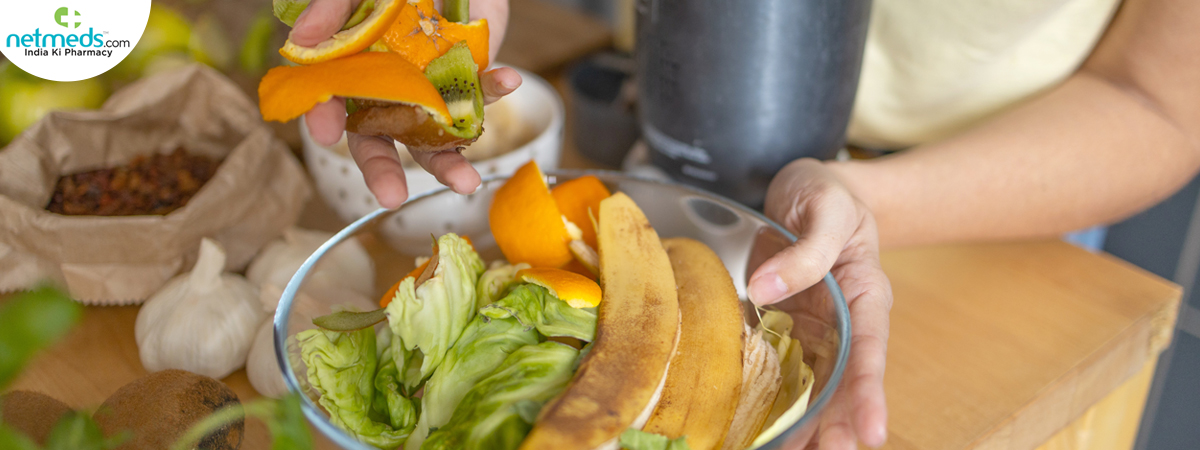
Zero-waste cooking is a sustainable culinary practice that intends to use every edible part of food while reducing or eliminating kitchen waste. Instead of throwing away vegetable peels, stems, seeds, and leftovers, zero-waste cooking encourages repurposing them into creative meals, stocks, condiments, or compost. This method is an eco-friendly way to minimise waste, save money and contribute to a healthier planet. There is no perfect rule, but it stresses mindful planning, smart preservation, storage and using your creative cooking skills to minimise food waste as much as possible.
Key Principles of Zero-Waste Cooking
Using whole ingredients, including roots, stems, and other edible parts.
Proper planning of meals helps to avoid excess and unnecessary buying.
Reusing leftovers to the maximum and creatively.
Composting and using unavoidable food scraps and waste.
Choosing seasonal and locally produced foods.
Why Zero-Waste Cooking Matters?
As per reports published by the Food and Agriculture Organisation FAO of the UN, global estimates, nearly one-third of all food produced is wasted, contributing significantly to greenhouse gas emissions and resource depletion. Zero-waste cooking directly addresses this issue at the household level, where small changes can collectively create a large impact.
Also Read: World Food Day 2020: Sustainable Cooking And Eating Practices For Healthy Living
Benefits of Zero-Waste Cooking
Reduces Food Waste
Zero-waste cooking prevents edible food from being wasted by using ingredients efficiently and effectively. Vegetable peels can become broths, stale bread can be turned into croutons, and overripe fruits can be used in smoothies or baking.
Saves Money
Food waste is essentially money simply thrown away. Zero-waste cooking helps households purchase only essential items they need, extend the shelf life of ingredients, stretch meals across multiple days and in the long run, this can incredibly reduce grocery expenditures.
Environmentally Friendly
Reducing food waste helps to decrease methane emissions from landfills, conserve water and energy waste used in food production, lessen the demand for excessive packaging, and support zero-waste kitchens, which support a more effective and sustainable food system.
Promotes Healthier Eating
Zero-waste cooking primarily prioritises using fresh, whole foods over heavily processed and junk options. Consuming homemade foods, making use of all the ingredients wisely, promotes nutrient intake and reduces dependence on packaged convenience foods.
Creativity in the Kitchen
Finding ways to reuse leftovers and waste encourages experimentation. Many people discover new recipes, flavours, and cooking techniques while practising zero-waste cooking.
Mindful Eating Habits
Zero-waste cooking fosters awareness about where food comes from and the efforts that go into production. The real value of ingredients and this mindset extends beyond the kitchen into other regions of sustainable living.
Simple Ways to Practice Zero-Waste Cooking
Plan meals for a week to avoid overbuying and wasting.
Preserve and store food properly to extend the freshness and shelf life of the products.
Use vegetable scraps for stocks and soups to reap nutritional benefits.
Stock leftovers foods in the refrigerator instead of discarding it.
Compost inedible waste like eggshells and coffee grounds.
Small steps make a huge difference, such as reusing once a week, which can lead to long-lasting habits.
Conclusion
Zero-waste cooking is not about any strict rules or perfection. It is about making thoughtful choices, respecting food, and reducing unnecessary waste wherever possible. By adopting zero-waste cooking practices, individuals can save money, eat better, and contribute to a healthier planet, one meal at a time.
References:
The Relationship between “Zero Waste” and Food: Insights from Social Media Trends
Daniela Šálková 1, Olesya Maierová 1, Lucie Kvasničková Stanislavská 2, Ladislav Pilař 2,*
Editors: Nassim Naderi, Luis Felipe Gutierrez Alvarez
https://pmc.ncbi.nlm.nih.gov/articles/PMC10486687/
https://www.researchgate.net/publication/317250754_Benefits_challenges_and_critical_factors_of_success_for_Zero_Waste_A_systematic_literature_review
 Previous