Social media is flooded with numerous health hacks and fad diets, but most of which are not scientifically proven and can cause health problems. However, a new health craze called “fart walking” is a refreshing change, which is considered safe and effective and does not cost you a thing. This popular term is described as taking a gentle walk after eating to help release intestinal gas and promote digestion.
(For Optimal Digestive Health, Shop From Our Wide Range Of Supplements)
Well, the term may sound playful, but the concept is deeply rooted in gastrointestinal physiology. Light physical activity after food can trigger gut movements, combat bloating and enhance overall digestive function.
Take this two-minute read to explore more about what is fart walking, and how it supports overall digestive health.
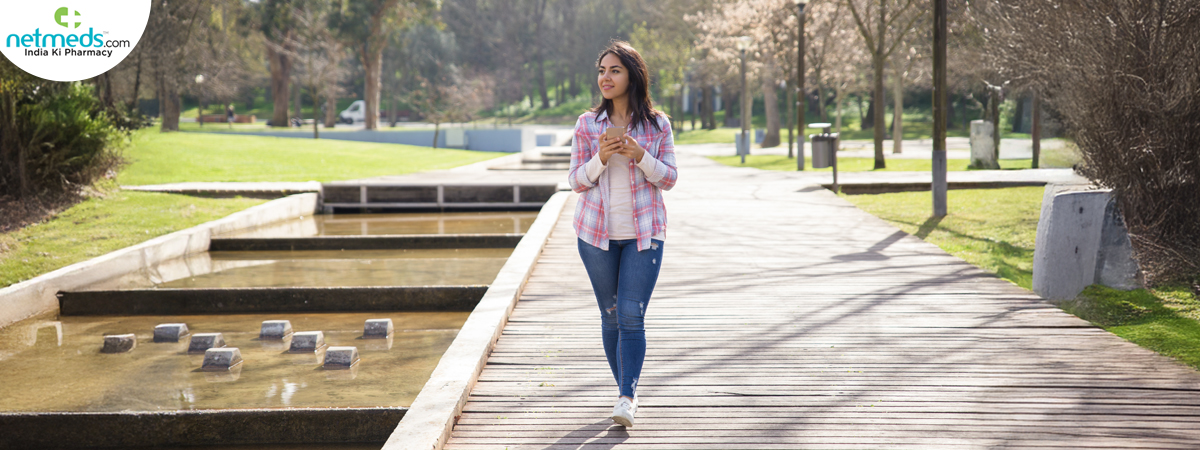
What Is Fart Walking?
Fart walking was first created by Canadian cookbook author Mairlyn Smith, who believes that the healthy ageing benefits of crop dusting after a meal. This method also reduces the risk of type 2 diabetes, particularly among older people.
This is a simple technique, where you must go for a slow, relaxed walk for about 10-20 minutes after food. This activity is known to move gas via the digestive system, preventing bloating or other digestive issues.
Well, the concept is based on the gastrocolic reflex, which is a natural physiological response and eating triggers movement in the intestinal tract. Walking promotes this effect by gently activating abdominal muscles and increasing intestinal motility.
How Fart Walking Helps Digestive Health?
Stimulates Gut Motility
A short walk for 5-10 minutes post meals activate the muscles of the abdomen, helping food and gas travel through the gastrointestinal tract. This process lessens the likelihood of gas buildup and prevents constipation.
Also Read: Is Walking After Eating Good For Health? Discover Benefits and Downsides
Reduces Bloating
Light, intense activity helps to redeploy gas pockets in the intestines, making it easier for the system to release them. Most people observe less abdominal tightness after a short walk.
Improves Gastric Emptying
Walking at a slow pace can help the stomach empty food at a steady rate, preventing feelings of heaviness after meals.
Manages Blood Sugar
Post-meal walking is proven by several studies to improve insulin sensitivity and help muscles absorb glucose effectively. Thereby preventing sudden blood sugar spikes and regulates diabetes mellitus.
Promotes Circulation
Walking improves the blood flow to the vital organs, including the digestive system, supporting better nutrient absorption and metabolic functions.
Benefits of Fart Walking
Lowers gas and bloating
May help alleviate mild constipation.
Improves digestion efficiency.
Helps regulate blood sugar levels.
Prevents fatigue after meals.
Reduces abdominal pressure.
Encourages mindful eating habits
Who Can Benefit the Most?
Fart walking may be beneficial for people who:
Experience constant bloating issues.
Mild irritable bowel syndrome problems.
People on a high-fiber diet.
Feel very sleepy or heavy after meals.
Lead a sedentary lifestyle.
Also Read: What is “12-3-30” Walking? How To Do, Health Benefits and Precautions
How To Do Fart Walking Properly?
Wait about 5–10 minutes after eating and then start to walk at a slow to moderate pace.
Continue walking for 10–20 minutes.
However, avoid intense exercise immediately after large meals.
Consistency is the key more than duration; even a short walk helps.
Scientific Perspective
Several studies on post-meal walking have revealed that light activity can help:
• Improves digestion rate
• Reduces bloating
• Manage blood glucose spike
• Promotes bowel regularity
Though the term “fart walking” is informal, its physiological merits are well supported by gastroenterology research.
Effective Tips To Maximise Benefits
Eliminate carbonated drinks if bloating is frequent.
Eat very slowly and chew food properly to reduce swallowing of air.
Avoid trigger foods such as legumes, onions, dairy, or artificial sweeteners.
Be active and engage in regular exercise.
Possible Limitations
Fart walking is mostly safe; however, it may not be suitable for everyone, such as:
Walking immediately after meals or too fast after eating can worsen reflux symptoms in people with GERD.
Walking very fast may result in heavy movements that cause discomfort rather than relief.
Those who are recuperating from abdominal surgery or have intestinal complications should seek advice from a doctor.
Walking post-meals can help alleviate symptoms, but it does not address underlying medical conditions caused by food intolerance or poor dietary habits.
Conclusion
The term fart walking may sound strange, but it’s valued as an effective habit backed by research. A short 10-20 minutes of walking after meals can remarkably ease bloating, improve gut movement, manage blood glucose spikes, and optimise overall well-being. In fact, you can observe noticeable differences in digestive function.
References:
https://rightasrain.uwmedicine.org/body/food/fart-walks-digestion-blood-sugar
https://hmri.org.au/news-and-stories/fart-walks-the-viral-trend-with-surprising-health-benefits-according-to-science/
 Previous