


Rice is one of the most loved and staple foods in the world, especially in countries like India, China and many Southeast Asian nations. However, regular white rice is often criticised for its carbohydrate load, high glycemic index and low fiber content. To address this issue and modern nutritional demands, scientists at the Council of Scientific and Industrial Research’s (CSIR) and National Institute for Interdisciplinary Science and Technology (CSIR-NIIST) in Thiruvananthapuram have developed a new solution, which is called Designer Rice. This rice variety is gaining huge popularity as a healthier alternative, particularly for people with diabetes, obesity and nutrient deficiencies.
Read this article to explore what designer rice is, its benefits, nutrition, uses and side effects.
What Is Designer Rice?
Designer rice is a specially developed rice variety or fortified rice products made to boost nutritional value or health benefits compared to conventional rice. It contains higher amounts of protein and has a lower glycemic index compared to conventional rice.
To Augment Your Overall Health And Manage Diabetes, Shop From Our Broad Range Of Health Essentials
This rice type is produced through:
Selective breeding to improve nutrient content.
Biofortification to naturally increase vitamins or minerals.
Fortification by adding nutrients during processing.
Blending grains or functional ingredients into rice-shaped kernels
Low glycemic index rice development for blood sugar management
In simple terms, designer rice is rice engineered or modified to meet specific health goals.
Also Read: Rice Diet Explained: Health Benefits, Foods To Add and Avoid and Side Effects
Types of Designer Rice
Some common forms of designer rice include:
Low GI Rice is a variety of rice bred to slow digestion and cause a very minimal rise in blood sugar levels.
Fortified Rice is enriched with nutrients such as iron, folic acid, vitamin B 12, A and zinc.
High-Fiber Rice is a type of rice blended with bran layers or added fiber.
Protein-enriched rice is highly beneficial for athletes, elderly athletes, individuals or undernourished populations.
Functional Rice is a type of rice mixed with ingredients like herbs, resistant starch or other bioactive plant compounds.
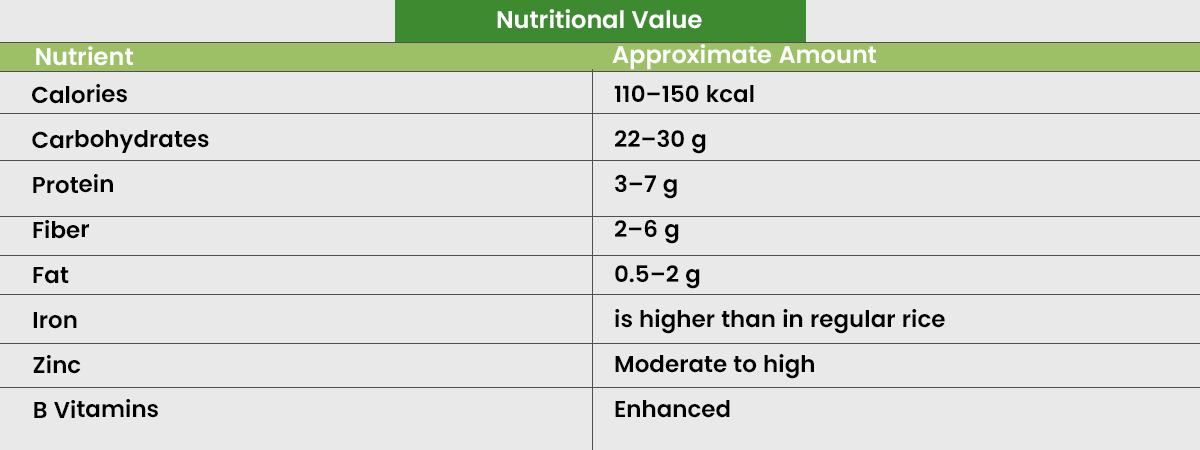
Nutritional Value
Nutritional content varies depending on the type. Generally, a serving of about 100 grams of cooked designer rice may provide:
Resistant Starch is present in some types
Compared with regular polished white rice, designer rice often contains more fiber, micronutrients, and slower-digesting carbohydrates.
How Designer Rice Helps Manage Diabetes?
Being low in GI, designer rice releases glucose slowly into the bloodstream, reducing sugar spikes after meals.
The richness of fiber slows digestion, improves glucose absorption rates and regulates post-prandial blood sugar levels.
Certain varieties of designer rice contain resistant starch, which behaves like fiber and improves insulin sensitivity and manages diabetes.
The wealth of nutrients and dietary fiber in designer rice keeps you full longer, reducing calorie intake, unwanted snacking and maintaining weight within a healthy range.
Health Benefits of Designer Rice
The fiber content in designer rice regularises bowel movements, preventing constipation and improving overall digestive functions.
Fortified designer rice can help prevent iron deficiency anemia and low B-vitamin levels. It offers a steady supply of energy, avoids sudden energy crashes, and key vital nutrients help correct nutritional deficiencies.
Uses of Designer Rice
Designer rice can be used just like regular rice:
Regular Meals
Steamed rice
Rice bowls
Indian Rice Recipes
Idli batter blends
Variety rice
Sushi bowls
Fried rice
Rice salads
Stuffed vegetables
Also Read: Basmati Rice: Types, Nutritional Content, Health Benefits, Recipes And Side Effects
How to Cook Designer Rice?
Cooking depends on the type. Common steps include:
Rinse lightly to avoid excessive washing if fortified.
Use the recommended water ratio. Cook like normal rice or in a pressure cooker/rice cooker. Allow resting time after cooking. Some high-fiber varieties may need slightly more water.
Side Effects
Designer rice is generally safe, but some people may notice:
High-fiber varieties may cause bloating if introduced suddenly.
Some users may find it chewier or less soft than white rice.
Designer rice is often more expensive than standard rice.
Some fortified or blended products may contain additives. Always read labels.
Who Should Consider Designer Rice?
Designer rice may be useful for:
People with diabetes.
Those on weight-loss diets.
Elderly adults.
Fitness-focused individuals.
People with iron deficiency risk.
Those wanting healthier rice alternatives.
Who Should Be Careful?
Seek guidance from a nutritionist or doctor if you have:
Chronic kidney disease
Serious gastrointestinal disorders
Specific nutrient restrictions
On diabetes medications
Is Designer Rice Better Than Brown Rice?
When comparing designer rice and brown rice, the better choice depends on your goal. If you want a natural, whole grain with more fiber and minimal processing, brown rice is usually the better option. If you prefer rice that has added vitamins and minerals for enhanced nutrition, designer rice may be a stronger choice. For blood sugar control, certain low-GI designer rice varieties can be beneficial because they are formulated to have a slower impact on glucose levels. If affordability is your priority, brown rice is generally the more budget-friendly option. For convenience, designer rice often stands out because it may cook faster, have improved texture, or be tailored for specific dietary needs.
Conclusion
Designer rice is a novel upgrade to traditional rice, offering improved nutrition and better metabolic benefits. It can be especially helpful for people managing diabetes, weight, or nutrient deficiencies. However, portion control and overall diet quality still matter. If chosen smartly, designer rice can be a perfect addition to a diet regimen for those who don’t want to give up rice but want a nutritious and healthier version.
References:
https://www.sciencedirect.com/science/article/abs/pii/S0144861722011225
Designer foods and their benefits: A review
A Rajasekaran 1,✉, M Kalaivani 2
https://pmc.ncbi.nlm.nih.gov/articles/PMC3550947/
 Previous