


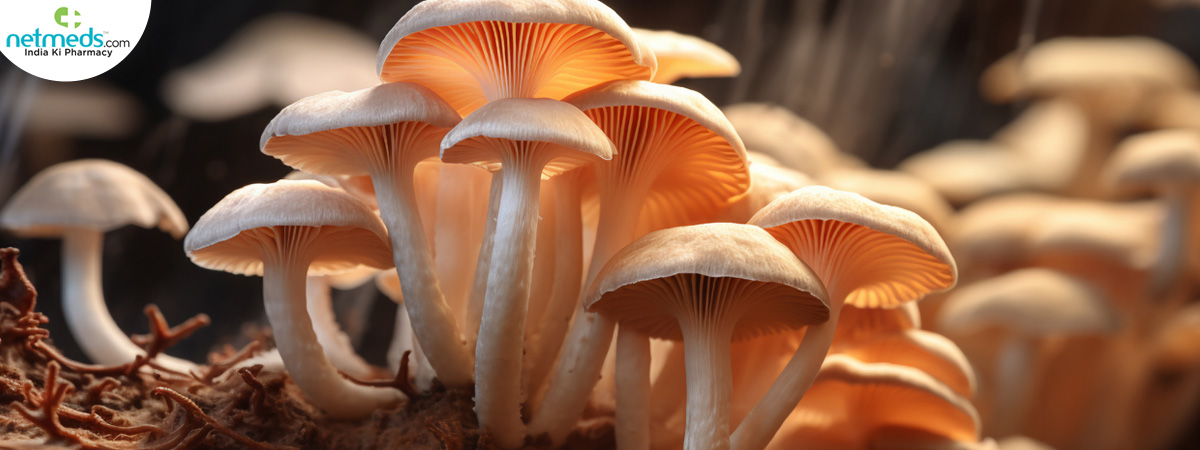
One of the rare and best plant-based foods found in nature that can make vitamin D when exposed to ultraviolet (UV) light, mushrooms are a great food ingredient. One such type of fungus, called UV-induced mushrooms or UV-exposed mushrooms, has become quite popular in the health circle. After harvesting, the mushrooms are exposed to controlled ultraviolet (UV-B) light. This extensive process converts the naturally occurring ergosterol within the mushrooms into vitamin D2.
Also Read: What Are Functional Mushrooms? Health Benefits, Uses, and Side Effects
Vitamin D deficiency is a common nutritional issue globally, particularly prevalent among individuals with limited sun exposure, those adhering to vegetarian or vegan diets, or those residing in areas with less sunlight. Adding UV-exposed mushrooms to your diet is an easy, natural way to boost your vitamin D levels, and you’ll get all the other nutrition benefits that mushrooms provide too.
What Are UV-Induced Mushrooms?
UV-induced mushrooms are edible mushrooms (such as white button, cremini, portobello, or oyster mushrooms) that have been exposed to ultraviolet light under controlled conditions. UV exposure significantly increases the vitamin D2 content, making them one of the richest natural non-animal dietary sources of vitamin D. Unlike regular mushrooms, UV-treated mushrooms can have anywhere from 10 to over 40 micrograms (400–1,600 IU) of vitamin D per serving, depending on the type of mushroom and length of time exposed to UV. This process works the way human skin synthesises vitamin D when exposed to sunlight.
Health Benefits Of UV Light-Grown Mushrooms
Supports Bone Health
Vitamin D is essential for absorbing calcium and phosphorus, two minerals required for healthy bones and teeth. Adequate intake may help reduce the risk of weak bones, fractures, and osteoporosis.
Strengthens Immune Function
Vitamin D plays an important role in regulating the immune system. Including vitamin D-rich foods like UV-exposed mushrooms may support normal immune responses and overall health.
Suitable for Vegetarians and Vegans
Most vitamin D comes from animal-based food products such as fatty fish, egg yolks, and fortified dairy foods. UV-induced mushrooms offer a valuable vegan-friendly source of vitamin D2, making them ideal for plant-based diets.
Provides Other Essential Nutrients
Besides vitamin D, mushrooms contain B vitamins, selenium, copper, potassium, and antioxidants such as ergothioneine
How To Include UV-Induced Mushrooms In Your Diet
Adding UV-exposed mushrooms can be cooked like regular mushrooms. Some healthy ways include:
· Add to salads after lightly grilling or sautéing, but never raw
· Add them to soups and stews
· Stir-fried vegetables
· Use as a pizza topping or add to a pasta dish
· Make mushroom sandwiches or wraps
· Mix chopped mushrooms into burger patties or meatballs.
Precautions
Although UV-induced mushrooms are generally safe, take note of the following:
· Choose mushrooms from reputable brands that have clearly listed the vitamin D content in them
· People with kidney disease, hypercalcemia, or other conditions that affect vitamin D metabolism should consult a healthcare provider before greatly increasing vitamin D intake
· Avoid eating mushrooms from wild sources unless they are correctly identified as edible by experts
· UV-induced mushrooms should be added to a balanced diet, and a healthy lifestyle does not replace them
References:
https://pmc.ncbi.nlm.nih.gov/articles/PMC7749179/
https://pmc.ncbi.nlm.nih.gov/articles/PMC7749179/
 Previous


