


Unlike the olden days when there were fewer gadgets, and they were meant for adult life, digital devices have become a regular part of childhood these days. Mobiles, tablets, computers, games, televisions, and a lot more, all have taken too much space. While technology does offer educational benefits and easy access to information, eye health specifically related to young ones is also taking a toll, leading to eye strain, dryness, headaches, blurred vision, and even disturbed sleep. By understanding the relationship between screen time and children's eye health, parents can make better choices that support healthy vision without eliminating technology from everyday life.
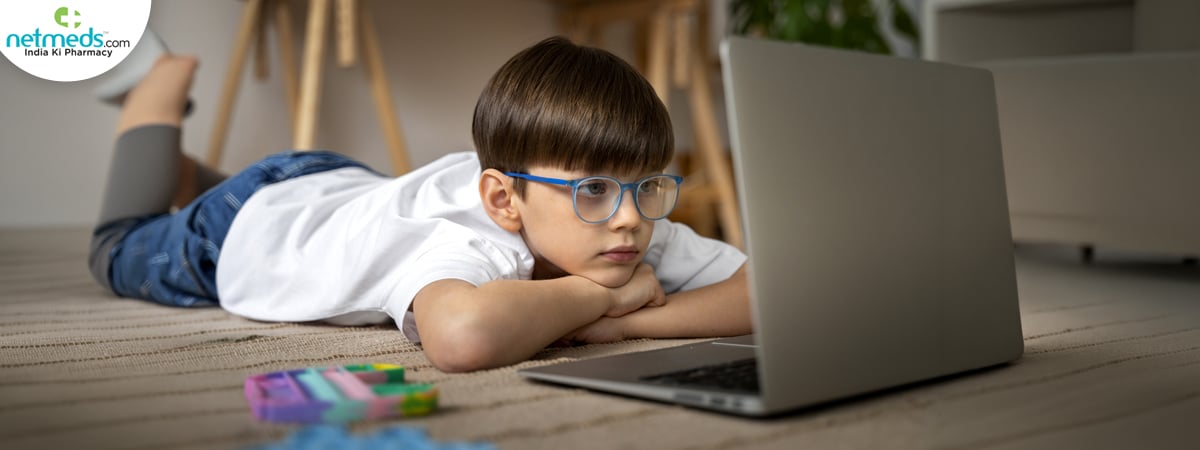
How Does Excessive Screen Time Affect Children's Eyes?
A child’s eyes are in a developing stage until your little one becomes a fully grown adult. Excessive screen exposure can place additional stress on their visual system. Here are the following problems that begin to occur:
Risk Of Digital Eye Fatigue
Looking at a screen for long durations requires non-stop focusing. So the eye muscles tend to work harder than usual. Over time, children who have sensitive eyes start to experience tired eyes, blurred vision, and headaches. This vision discomfort is commonly referred to as digital eye strain.
Causes Dry, Irritated Eyes
When watching videos, playing games, or studying on digital devices. Children naturally blink less. This makes tears evaporate more quickly, leaving the eyes dry, itchy, red, and uncomfortable. Prolonged screen use adds to vision strain.
Near Vision Stress
Using phones and tablets requires constant focus at close distances. Spending several hours on near-vision activities has been linked to a likelihood of developing or worsening short-sightedness, which is also called myopia. The key reason is kids tiring the eye muscles and not giving rest to eyes.
Affects Sleep and Eye Recovery
The blue light produced by digital screens interferes with the body's natural sleep cycle. Delayed melatonin release (due to less sleep) prevents the eyes from resting properly. This leads to tiredness in the eyes and visual discomfort.
Limits Outdoor Activities
More screen time simply implies less time invested outdoors. Natural daylight is great for eye health, and a lack of daylight can harm vision health. Moreover, distance viewing during outdoor play helps relax the eyes and lessens myopia progression while supporting overall wellbeing.
Get rid of Eyestrain naturally with our wide range of vitamin supplements and herbal oil drops!
Ways to Protect Children's Eyes from Excessive Screen Time
We all know that screens are often unavoidable for learning and entertainment, but adopting a few simple habits can significantly reduce eye strain, support healthy vision, and minimize the long-term effects of excessive screen time. Here are some important ones:
Establish Healthy Screen Time Boundaries
Set realistic limits for entertainment-related screen use. For a healthier routine, encourage children to divide their time between digital activities, outdoor games, creative hobbies, and family interactions.
Practice The 20-20-20 Rule
A simple habit: teach your child to pause every 20 minutes and then look at something that is 20 feet away for about 20 seconds. A simple technique called the 20-20-20 rule reduces eye fatigue and allows the focusing muscles to relax.
Maintain Proper Viewing Distance
Position screens about an arm's length from the eyes and slightly below eye level. Sitting correctly while using devices helps reduce unnecessary strain on both the eyes and the neck.
Prioritize Routine Eye Check-ups
Regular eye examinations help identify vision problems before they interfere with learning or daily activities. Children may not be able to detect changes in their eyesight. Thus, preventive eye care is non-negotiable for children.
Create An Eye-Friendly Environment
Ensure rooms are well lit to minimize glare and reflections on screens. Encourage children to blink more often and stay hydrated to maintain a healthy tear film and reduce eye irritation.
Also Read: Eye Infections: 5 Effective Home Remedies To Heal Common Eye Problems
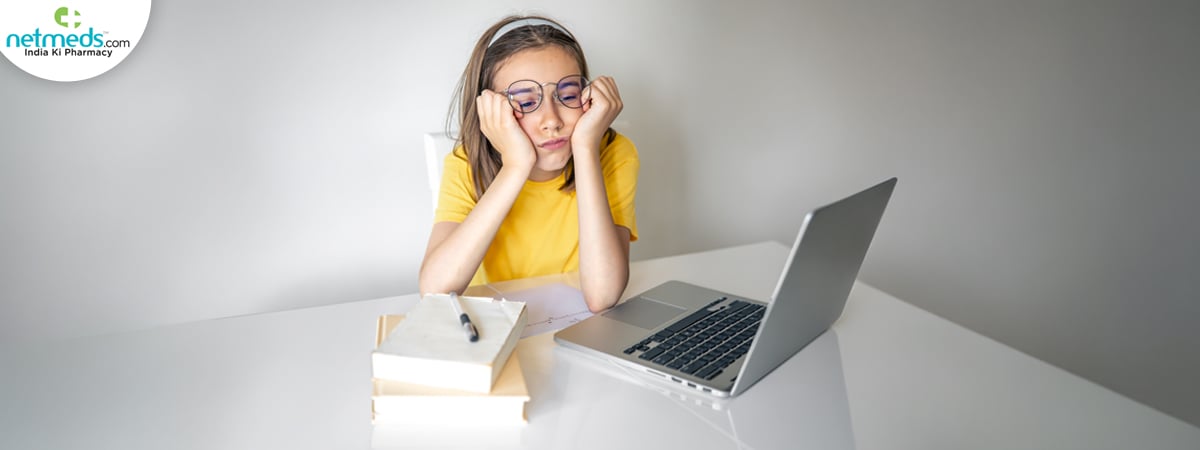
Are There Healthier Alternatives to Screen Time
Yes, of course! Digital devices should be just one part of a child's daily routine. Here are some better ways that can be part of your child’s daily routine:
Outdoor Sports
Games like football, cricket, and other outdoor games help to improve physical fitness while giving the eyes a break from screens
Cycling And Running
Such activities promote cardiovascular health, enhance coordination, and reduce prolonged near focus, which can cause mild to severe eye strain.
Gardening
Taking care of plants encourages children to spend more time outdoors and in a green environment, ideal for healthy vision through natural exposure
Drawing And Painting
Such activities stimulate imagination, aid fine motor skills, and provide screen-free entertainment.
Puzzles Or Building Blocks
These games promote a child’s problem-solving, concentration, and cognitive development without the need for digital devices.
Storytelling
Reading books or narrating stories improves language skills while reducing screen exposure.
Music
Singing, dancing, or learning a musical instrument supports emotional and cognitive development without stressing the eyes.
Also Read: Digital Eyestrain From Screen Time? 5 Natural Remedies for Faster Relief – Infographic
Frequently Asked Questions
How many hours of screen time is ideal for children?
The ideal amount depends on a child's age and vision health. Experts generally recommend limiting recreational screen use, encouraging regular breaks, and ensuring children spend adequate time in offline activities
Can too much screen time permanently harm a child's eyesight?
Screen usage may not cause permanent eye damage, but excessive use can lead to temporary eye strain and may contribute to the progression of myopia in susceptible children.
What can parents do to protect their child's vision?
Parents can encourage frequent visual breaks, limit recreational screen time, maintain proper viewing distance, ensure good lighting, schedule regular eye examinations, and promote outdoor activities to support long-term eye health
Do larger screens cause less eye strain than smartphones?
Generally, larger screens viewed from a proper distance are more comfortable than small smartphone screens, because there is reduced need for close focusing and squinting
Can wearing blue-light glasses protect children's eyes?
Blue-light glasses may help reduce eye strain but may not prevent eye damage. Regular screen breaks and proper viewing habits remain the most effective strategies.
References:
https://pmc.ncbi.nlm.nih.gov/articles/PMC9434525/
https://pmc.ncbi.nlm.nih.gov/articles/PMC12452390/
 Previous


