Good health is the top priority for most people these days; hence, it is increasingly essential to understand the intricate biochemical processes within our bodies. Among the wealth of vital nutrients, amino acids play an essential role, and L-Cysteine is one of the most versatile and beneficial amino acids.
L-cysteine is a conditionally essential amino acid that plays a pivotal role in numerous physiological processes, including protein synthesis, detoxification, immune function, and antioxidant defence. Though the body can produce L-cysteine from other amino acids like methionine, supplementation may be especially valuable during periods of illness, ageing, or increased nutritional demands.
Explore this article to learn more about health benefits, uses, dosage, sources, and side effects associated with L-cysteine supplements.
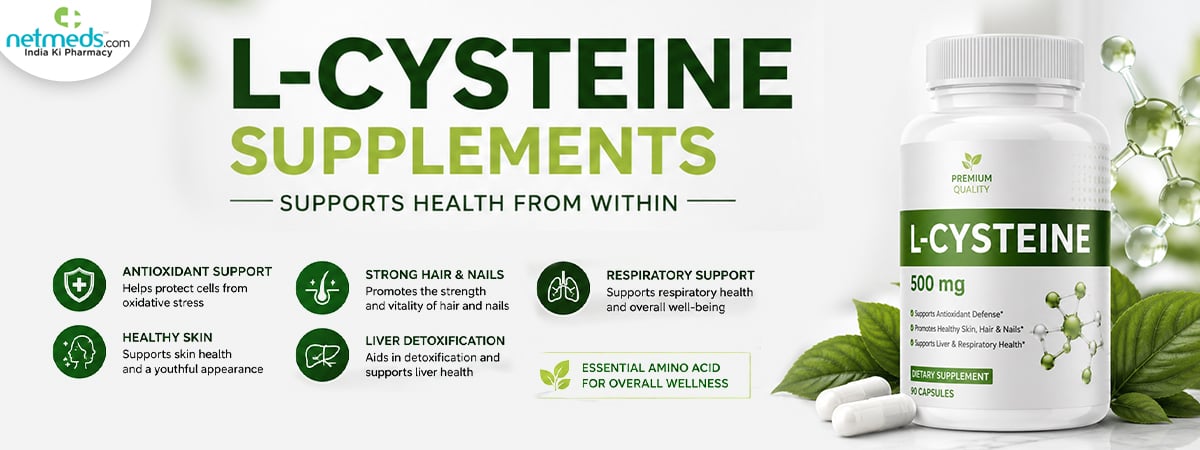
What Is L-Cysteine?
L-cysteine is a sulfur-containing amino acid naturally found in several protein-rich foods. It is one of the building blocks of proteins and is essential for producing keratin, the structural protein that forms hair, skin, and nails. It is known as a precursor to glutathione, the body’s master antioxidant, helping the human body fight oxidative stress, supporting liver detoxification, bolstering the immune system and sustaining healthy skin and hair.
L-cysteine is available as dietary supplements in capsules, tablets, powders, and is also present in some multivitamin formulations.
Also Read: L-Arginine: Discover Health Benefits, Uses, And Side Effects Of This Amino Acid
Health Benefits of L-Cysteine Supplements
Potent Antioxidant Effects
One of the key benefits of L-cysteine is its ability to increase glutathione production. Glutathione is a powerful antioxidant that helps neutralise harmful free radicals, mitigate oxidative stress, shield healthy cells from premature ageing and optimise overall cellular function. Higher glutathione levels may support long-term health and prevent risk of chronic diseases.
Supports Liver Health
The liver cells depend heavily on glutathione to clear toxins from the body. L-cysteine may help promote liver detoxification, promote recovery from toxin exposure, and enhance liver function. Healthcare providers may sometimes use cysteine formulations in specific medical care to protect the liver from certain types of toxicity.
Promotes Hair Growth
Hair is made up of substantial amounts of keratin, which requires sulfur-containing amino acids like cysteine for healthier and stronger hair growth. L-cysteine supplementation may help strengthen hair shafts, lessen hair breakage, promote hair growth and thickness and enhance the overall texture of hair. Most hair health supplements include L-cysteine along with biotin and zinc.
Augments Skin Health
L-cysteine contributes to collagen production and shields skin cells against oxidative damage. Adding this supplement may help improve skin elasticity and complexion, faster wound healing and decreased oxidative skin damage. It is commonly included in beauty and skin wellness supplements.
Boosts Immune Function
Healthy glutathione levels are essential for proper immune cell activity. L-cysteine may boost immune defence activity, reduce oxidative stress during infection, and promote faster recovery following any infection or illness.
Respiratory Health
Certain types of cysteine are used to help thin thick mucus in the respiratory tract. L-cysteine may help clear mucus, improve breathing, and optimise overall respiratory health. Always use therapeutic forms under medical supervision.
Improve Exercise Recovery
Strenuous physical exercise increases oxidative stress and muscle damage. Supplementation with L-cysteine may help lower exercise-induced oxidative stress, promote muscle recovery, ease fatigue and improve endurance. Athletes sometimes combine cysteine with other recovery nutrients.
Supports Brain Function
Glutathione plays a key role in protecting nerve cells. Adequate L-cysteine intake may help reduce oxidative damage in the brain, maintaining healthy neurotransmitter function and improving overall cognitive health. Although promising, more research is needed before recommending L-cysteine specifically for neurological conditions.
Also Read: Glycine: Uses, Benefits And Ways To Add This Amino Acid For Glowing Skin
Common Uses of L-Cysteine Supplements
Healthcare providers may recommend L-cysteine supplements for:
Antioxidant support
Hair loss treatment
Skin and beauty improvement
Nail strengthening
Liver support
Immune wellness
Exercise recovery
Healthy ageing
Nutritional supplementation
Natural Food Sources of L-Cysteine
Many protein-rich foods naturally provide cysteine.
Chicken
Eggs
Fish
Lean meat
Yoghurt
Cheese
Plant Sources
Lentils
Chickpeas
Tofu
Oats
Sunflower seeds
Sesame seeds
Pumpkin seeds
Garlic
Onions
Broccoli
Brussels sprouts
Eating a balanced and wholesome diet rich in superior quality protein provides sufficient cysteine for healthy individuals.
Recommended Dosage of L-Cysteine
There is no official Recommended Dietary Allowance (RDA) for L-cysteine.
Typical supplemental doses range from:
250–500 mg daily for overall wellness
500–1,500 mg daily in specific formulations under healthcare supervision
The appropriate dosage depends on:
Age
Health status
Medical conditions
Dietary intake
Purpose of supplementation
Always follow the manufacturer's instructions or consult a healthcare provider before starting supplementation.
Side Effects of L-Cysteine Supplements
L-cysteine is generally considered safe and well-tolerated when taken at recommended doses.
However, some individuals may experience:
Nausea
Vomiting
Stomach discomfort
Diarrhea
Bloating
Headache
Unpleasant sulfur-like odour
Most side effects are mild and resolve after reducing the dosage or discontinuing the supplement.
Who Should Avoid L-Cysteine Supplements?
Consult your physician before using L-cysteine if you:
Are pregnant or breastfeeding.
Have asthma.
Have kidney disease.
Have liver disorders.
Take prescription medications.
Are scheduled for surgery.
Have known allergies to supplement ingredients.
Effective Tips For Safe Supplementation
For maximum safety and effectiveness:
Purchase supplements from reputable brands.
Follow the recommended dosage.
Avoid taking multiple amino acid supplements without medical advice.
Have a balanced and wholesome diet, protein-rich diet.
Stay well hydrated for the proper metabolism of protein.
Frequently Asked Questions
Is L-Cysteine Safe To Take Every Day?
Yes. L-cysteine is generally safe for daily use when taken at recommended doses. Those who are taking this supplement long-term should consult with a healthcare provider, especially if you have underlying medical conditions.
Does L-Cysteine Help With Hair Growth?
L-cysteine supports the production of keratin, the protein that makes up hair. It may help strengthen hair, reduce breakage, and improve overall hair health when combined with a hair-friendly diet.
What Is The Best Time To Take L-Cysteine?
L-cysteine can be taken with or after meals to minimise stomach discomfort. Follow the dosage instructions on the product label.
Conclusion
L-cysteine is a highly beneficial amino acid that offers a holistic, evidence-based approach in enhancing overall health. Its role in glutathione production makes it particularly important for protecting the body from oxidative stress and maintaining overall wellness. However, L-cysteine should be taken under the proper guidance of a health care provider, especially if you have any existing health conditions or are taking prescription medications.
References:
https://pmc.ncbi.nlm.nih.gov/articles/PMC6017824/
Effects of the Usage of l-Cysteine (l-Cys) on Human Health
Noelia Clemente Plaza 1, Manuel Reig García-Galbis 2, Rosa María Martínez-Espinosa 1,*
L-Cysteine: A promising nutritional supplement for alleviating anxiety disorders
https://www.sciencedirect.com/science/article/abs/pii/S0306452224003518
 Previous