


A crunchy edible plant with a salty taste, Samphire refers to several species within the Salicornia family, often referred to as glasswort or sea asparagus. However, rock samphire or Crithmum maritimum a rare variety of this nutrient-dense vegetable, is also found in coastal areas. The nutritional content of samphire also depends on the species and growing conditions.
In this short read, let’s understand the nutritional content and potential health benefits of samphire and safe ways to consume and some frequently asked questions on it
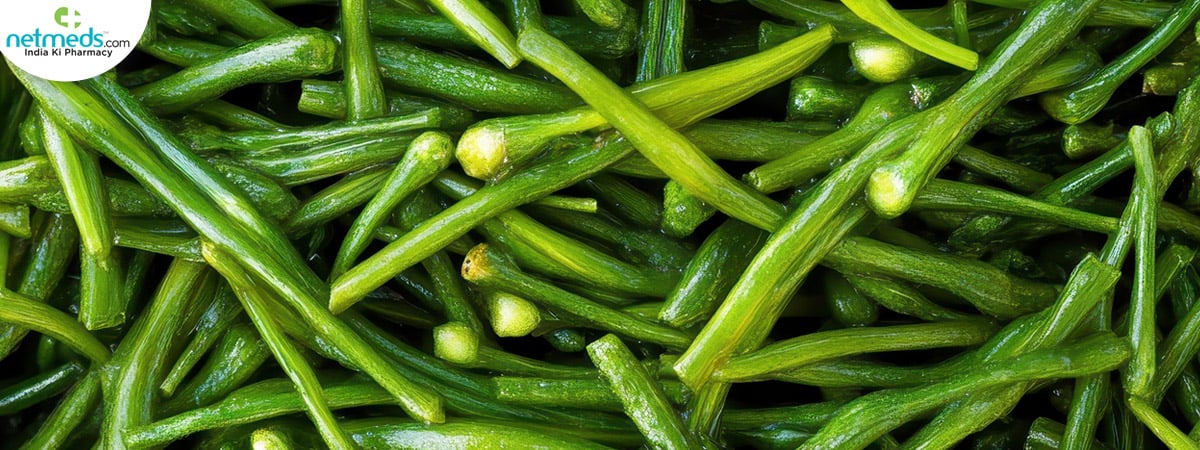
Nutritional Content Of Samphire Vegetable
Several and multiple species of samphire vegetable are available thus the nutritional content can vary in many ways. Fresh samphire is high in water content. Depending on the species, growing condition and preparation, samphire has mild to high amount of fibre and minerals. Young shoots of Salicornia species and mineral content is also a part of this vegetable including potassium and magnesium. Interestingly, it also contains high amounts of sodium.
Also Read: 7 Must-To-Add Healthiest Root Vegetables For Overall Well-Being
Health Benefits Of Samphire
Loaded with nutrients and bioactive compounds, samphire has a lot ot offer when it comes to wellness benefits. While they cannot treat health conditions per se but they can be great source of immunity boosters and thus the vegetable can be added to your meals for this reason. Let’s look at some of its health benefits
Good For Digestion
Samphire is a good source of dietary fiber, depending on the species. Eat a variety of high-fiber plant-based foods to aid good digestion. The fiber content of fresh samphire varies according to species and growing conditions.
Maintains Optimum Body Functioning
Samphire is rich in minerals, especially potassium and magnesium. The amount of each mineral can vary from sample to sample. Minerals are necessary for the body to function properly. Adding small quantities of samphire to meals can add variety but should not be relied on as a major source of minerals.
Contains Bioactive Compounds
Polyphenols and other bioactive compounds have been found in Salicornia. In laboratory studies, they have been found to have antioxidant properties interacting with oxidizing processes. But, the relevance of these findings in relation to eating samphire as food is still being studied
Help You Eat A Varied Plant-Rich Diet
Samphire is a good way to vary your diet. Eating a variety of vegetables provides a variety of nutrients and bioactive compounds. Samphire is part of a well-rounded diet eaten with other vegetables, pulses, wholegrains and sources of protein.
May Reduce Salt Content
The salty nature of samphire can be used to flavour foods, But, whether samphire reduces the total salt content in your meal will depend on both the recipe and the sodium content within samphire itself. If using samphire in cooking, try a sample first before adding salt. If purchasing processed or preserved samphire, check labels to compare sodium contents.
Low In Calories
Fresh samphire is high in water and can be a low-calorie vegetable to include in meals. If cooked with additions, such as butter, oil, sauces or batter, total energy, calorie and nutritional content in the meal may change.
Ways To Eat Samphire
Look for fresh, bright samphire. Wash thoroughly to remove any grit. Trim hard ends. The salty nature of samphire can pair nicely with lemon, garlic, oil, butter, egg, potato and fish/seafood. As with all foods, try samphire first without adding salt. Depending on cooking time and type of samphire used, the saltiness will vary. Add salt to suit the batch.
Some Precautions While Eating Samphire
Although samphire offers several nutritional benefits, consuming it in excessive amounts may cause certain health concerns because of the following:
High In Sodium
Like many foods, samphire can be high in sodium. If you have been advised to limit sodium intake (for example, if you have high blood pressure, kidney disease or heart failure), check the label, consume in moderation, and follow the advice of your healthcare professional.
High In Potassium
Samphire may be high in potassium. If you have chronic kidney disease, or are taking medication which affects potassium levels, speak to your doctor or dietitian to find out whether samphire is suitable for you.
Contamination
Plants in coastal areas can absorb various substances from the growing ground. To avoid contamination, choose samphire from a trusted source to eat. Do not pick samphire from polluted areas. Only pick samphire if you are confident in identification, and foraging is allowed in the area.
Upset Stomach Or Allergic Reaction
As with other vegetables, individuals may have sensitive reactions. If you experience symptoms of an allergic reaction, stop eating samphire. If experiencing severe symptoms like difficulty in breathing or swelling in the face or throat, see a medical professional.
Also Read: Chayote Squash/Chow Chow: Nutrition, Health Benefits, Uses and Recipes
Frequently Asked Questions
What Does Samphire Taste Like?
Samphire has a naturally salty, briny flavour with a crisp, succulent texture. It is often compared to asparagus and green beans and pairs well with seafood, salads and stir-fries.
Is Samphire Good For Health?
Yes, samphire contains dietary fibre, vitamins, minerals and antioxidants that support digestive health and overall wellness. However, its naturally high sodium content means it should be consumed in moderation.
Can You Eat Samphire Raw?
Yes, fresh and thoroughly washed samphire can be eaten raw in salads for a crunchy, refreshing bite. Blanching or lightly steaming it can soften its texture and mellow its salty flavour
Conclusion
Samphire is a unique salty vegetable. It can add texture, fibre and minerals to meals. Most health benefits come from the nutrients within the vegetable. Research into extracts and bioactive compounds in samphire is ongoing. Try samphire as part of a variety of vegetables; however, be mindful of the sodium content if you have been advised to limit salt.
Sources
https://pubmed.ncbi.nlm.nih.gov/38337643/
https://pubmed.ncbi.nlm.nih.gov/38011793/
https://pmc.ncbi.nlm.nih.gov/articles/PMC10857085/
https://pmc.ncbi.nlm.nih.gov/articles/PMC13413316/
https://onlinelibrary.wiley.com/doi/10.1002/fft2.214
https://www.bbc.com/food/samphire
 Previous