


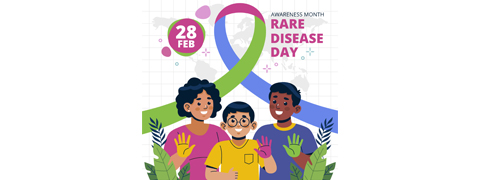
Rare Disease Day 2026 is observed on the last day of February, continuing its global mission to raise awareness about rare diseases and the millions of people affected worldwide. Although each condition is uncommon, typically affecting fewer than 1 in 2,000 people, rare diseases collectively impact more than 300 million people globally.
This international awareness day highlights the urgent need for early diagnosis, specialized care, advanced research, and inclusive healthcare policies. Governments, healthcare professionals, patient organizations, and communities are encouraged to work together to build a more informed and compassionate world.
Also Read: Von Willebrand Disease – Causes, Symptoms And Treatment
The theme for Rare Disease Day 2026, ‘More Than You Can Imagine,’ emphasizes the significant yet often overlooked impact that rare diseases have on more than 300 million people worldwide. It draws attention to:
- Social stigma and marginalization
- Delayed or incorrect diagnoses
- Limited access to treatment
- Emotional and financial burdens on families
- The urgent need for equitable healthcare systems
Here are some common rare diseases:
· Cystic Fibrosis
· Huntington's Disease
· Amyotrophic Lateral Sclerosis
· Duchenne Muscular Dystrophy
· Haemophilia
· Sickle Cell Disease
· Tourette Syndrome
· Marfan Syndrome
· Spinal Muscular Atrophy
· Ehlers-Danlos Syndrome
Why Rare Disease Awareness Matters?
Many rare diseases go undiagnosed or misdiagnosed due to a lack of knowledge among medical practitioners and the general public. This delayed diagnosis can lead to serious health complications and emotional stress for patients and their families. Raising awareness about rare diseases not only helps improve early diagnosis but also promotes research, treatment accessibility, and policy changes that can transform lives.
Steps To Raise Rare Disease Awareness
Education and Outreach
One of the most effective ways to increase rare disease awareness is through education campaigns. Schools, workplaces, and community centres can host seminars, webinars, and workshops explaining what rare diseases are, their symptoms, and the importance of early intervention.
Collaborating With Healthcare Providers
Hospitals and clinics can play a vital role in spreading awareness. Hosting screening camps, distributing brochures, and training medical staff about rare diseases ensures that patients receive timely and accurate diagnoses.
Engaging Governments
Advocacy is key to improving healthcare access for rare disease patients. Governments can implement policies that fund research, subsidize treatments, and support patient organizations. Rare Disease Day is a perfect opportunity to lobby for these essential changes.
Sharing Patient Stories and Testimonials
Sharing real-life experiences of individuals living with rare diseases creates empathy and humanizes the cause. Blogs, podcasts, and interviews can highlight the challenges faced by patients and the urgent need for awareness.
How You Can Participate?
Everyone can contribute to Rare Disease Day awareness. Whether it’s volunteering for local organizations, donating to rare disease research, or simply sharing informative posts online, small actions collectively make a big difference. Wearing a symbol of support, such as a blue and orange ribbon, is also a visible way to show solidarity.
In conclusion, raising rare disease awareness is a collective responsibility. Education, social media campaigns, healthcare initiatives, and advocacy can ensure that people living with rare diseases receive the recognition, support, and care they deserve. On this Rare Disease Day, let’s come together to shine a light on rare diseases, support research, and create a more informed and compassionate world.
References:
Rare Disease Day – at a glance
Vasilica Plaiasu a, Michaela Nanu b, Dumitru Matei
https://pmc.ncbi.nlm.nih.gov/articles/PMC3150084/
https://www.rarediseaseday.org/what-is-rare-disease-day/
 Previous


