September is known as PCOS Awareness Month, a time especially dedicated to educating the population about one of the most common hormonal disorders affecting women of reproductive age. But this year brings an important update that everyone should know: the condition formerly called Polycystic Ovary Syndrome (PCOS) has been officially renamed Polyendocrine Metabolic Ovarian Syndrome (PMOS).
(Correct Hormonal Balance And Uplift Your Overall Health, Choose From Our Spectrum of Supplements Right Now!)
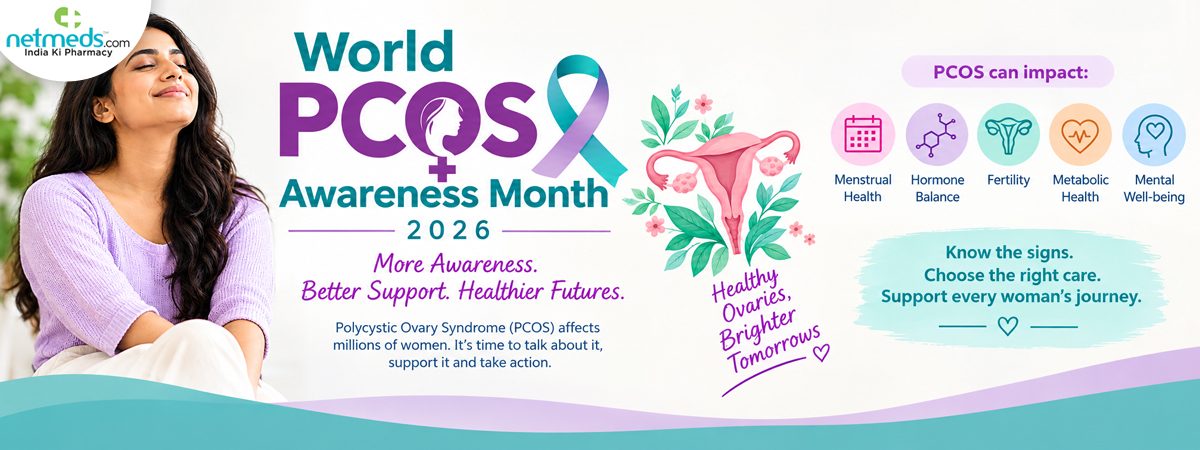
This name change was announced in May 2026 by an international consortium of 56 medical and patient organizations, including the Endocrine Society, and published in The Lancet. The older term PCOS is still widely used in daily conversations and online searches, which is why you may observe both PCOS and PMOS used together in 2026 awareness campaigns.
What Is PMOS?
PMOS is a multifaceted hormonal disorder that can affect women of reproductive age. It is associated with irregular periods, excess androgen action, acne breakouts, excess facial or body hair, hair thinning, and problems with normal conception. This hormonal disorder is also related to metabolic and psychological health issues, including a higher risk of cardiometabolic disease and mental health challenges. Moreover, this condition can differ remarkably from person to person, so effective management needs to be tailored.
The health event aims to improve public and healthcare-professional understanding of PMOS, encourage timely diagnosis and treatment, reduce stigma, and promote better quality of life for people living with the condition.
Also Read: PCOS Awareness Month 2021: Popular Myths Busted Backed By Science
Why Is PCOS Awareness Month Important?
PCOS Awareness Month is an important event, as most people may not recognise their symptoms or may delay in getting diagnosed and appropriate treatment. Promoting awareness can motivate individuals to seek medical care for regular menstrual irregularities, excess hair growth, acne breakouts, sudden weight gain or fertility issues.
Moreover, awareness is also vital because PMOS includes more than reproductive health. Evidence-based strategies emphasise metabolic health, cardiovascular risk, sleep cycle, mental well-being, and pregnancy-related complications as major areas of attention in women with PMOS.
5 Effective Strategies to Manage PMOS
Eat a Balanced, Nutrient-Rich Diet
Well, there is no single diet that is considered perfect for those with PMOS. Instead, focus on mindful eating behaviour that includes a rich array of fresh and seasonally available vegetables, fruits, whole grains, pulses, lean proteins, healthy fats and dietary fiber.
Also, it is important to restrict highly processed foods and added sugars; refined flour may help improve overall metabolic health. Dietary choices should be customised according to nutritional requirements, preferences and individual health goals.
Being Physically Active
Staying active and engaging in regular physical activity is a vital part of PMOS management. The right combination of aerobic activity, strength training and daily movement can promote metabolic health, fitness and overall well-being.
The International PCOS guideline recommends lifestyle interventions that include exercise, healthy eating and behavioural strategies. Most importantly, health benefits can happen even without remarkable weight loss.
Maintain Weight or Prevent Weight Gain
For individuals who are overweight, a personalised approach to weight management may promote better PCOS-related outcomes. However, PMOS can develop in people across different body sizes, and management should not focus only on weight loss. Moreover, as per the international guideline 2023, individualise lifestyle strategies and emphasise the importance of avoiding weight stigma.
Manage Sleep /Stress
Poor sleep and psychological stress can affect overall well-being and make it harder to maintain healthy lifestyle habits. Aim for a consistent sleep schedule and include stress-management practices such as yoga, meditation, breathing exercises, walking, or other relaxing activities.
Mental health is always considered an important part of comprehensive PCOS care rather than an afterthought.
Get Regular Health Checks
Lifestyle modifications are vital, but they are not the only component of overall PCOS management. Depending on individual symptoms and goals, a healthcare provider may recommend medicines or other treatments for menstrual irregularities, androgen-related symptoms, metabolic concerns, or fertility.
Regular medical follow-up can also help evaluate other associated health risks. Treatment should be based on individual symptoms, reproductive plans and overall health rather than a one-size-fits-all approach.
Can PMOS Be Managed Successfully?
Yes. PMOS is a long-term health condition, and its symptoms and associated health risks can often be managed with appropriate lifestyle measures, medical treatment and regular follow-up. Healthy eating, regular physical activity, adequate sleep, stress management and appropriate medical care can all contribute to better long-term health and quality of life.
Conclusion
People living with PMOs can promote overall health and mental well-being with the right care that focuses on more than reproductive symptoms alone. A holistic approach may include reproductive health, metabolic health, cardiovascular risk, skin and hair concerns, sleep, and mental well-being.
Regular follow-up with an endocrinologist can help ensure that treatment module and support are appropriately adjusted according to individual symptoms, risks and personal health goals.
References:
https://pmc.ncbi.nlm.nih.gov/articles/PMC13252306/
Awareness and lifestyle practices related to polycystic ovary syndrome among Indian female IT professionals: A cross-sectional study
Joyce Joseph 1, Harshhni Vummiti Lakshminarayana 2,
Teede HJ, et al. J Clin Endocrinol Metab. . 2023;108:2447. doi: 10.1210/clinem/dgad463. [DOI] [PMC free article] [PubMed] [Google Scholar]
Teede HJ, et al. Eur J Endocrinol. . 2023;189:G43. doi: 10.1093/ejendo/lvad096. [DOI] [PubMed] [Google Scholar]
Joham AE, et al. Lancet Diabetes Endocrinol. . 2022;10:668.
Shang Y, et al. Front Endocrinol (Lausanne). . 2021;12:735954. doi: 10.3389/fendo.2021.735954. [DOI] [PMC free article]
Barrea L, et al. Curr Nutr Rep. 2023;12:56. doi: 10.1007/s13668-023-00456-1. [DOI] [PMC free article]
Woodward A, et al. Adv Exp Med Biol. . 2020;1228:123. doi: 10.1007/978-981-15-1792-1_8. [DOI]
Shang Y, et al. J Clin Endocrinol Metab. . 2020;105:dgaa425. doi: 10.1210/clinem/dgaa425.
Peña AS, et al. BMC Med. . 2025;23:151. doi: 10.1186/s12916-025-03901-w.
Teede HJ, et al. Fertil Steril. . 2023;120:767
Shang Y, et al. Front Endocrinol. . 2021;12:735954. doi: 10.3389/fendo.2021.735954.
Teede HJ, et al. Hum Reprod. . 2023;38:1655. doi: 10.1093/humrep/dead156.
Peña AS, et al. BMC Med. . 2020;18:72. doi: 10.1186/s12916-020-01516-x.
 Previous