Paneer and tofu are highly valued protein food sources for vegetarians that boast a wealth of essential nutrients and offer numerous health benefits. Paneer has been used as a traditional staple food in Indian cooking, while tofu is increasingly gaining attention as a healthier plant-based alternative. They are very popular protein foods, yet differ in taste, texture and nutrients. And choosing between the two can be quite confusing, especially if you care about making healthier choices.
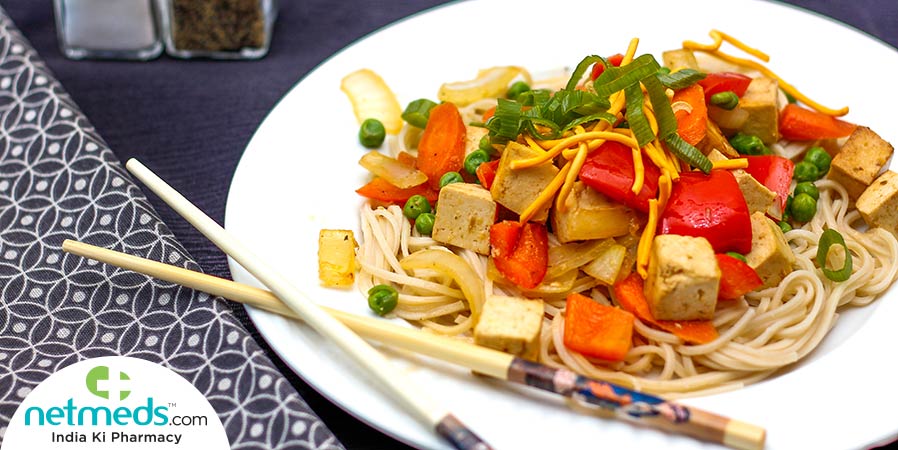
Then this article is for you, which provides a detailed comparison of tofu vs paneer, their nutrition, health benefits, uses, and side effects.
Paneer
Paneer is a fresh cheese made from dairy milk sources such as cow’s or buffalo’s milk that has been curdled with lemon juice or any other natural citric acid sources. Paneer originated in India and is commonly known as Indian cottage cheese. The texture depends on how long the paneer is pressed and ranges from soft and spongy to slightly firm. Moreover, it does not dissolve or melt while cooking.
To Augment Your Overall Health And Well-being, Buy From Our Rich Array Of Health Supplements
Tofu
Tofu is a plant-based vegan source of protein made from soy milk. Similar to paneer, tofu is also curdled and pressed from bean milk. Tofu is available in numerous textures, including soft, firm and extra-firm. Tofu originated in China and is a staple food across Asian countries. However, now it is consumed globally. Though bland on its own, tofu soaks up the flavours of its seasonings.
Also Read: Tofu For Good Health: Treat Your Kids To These Yummy Snack Recipes Packed With Protein
Tofu vs Paneer Difference
The main difference between tofu and paneer lies in their source and nutritional content. Tofu is made from soybeans, which makes it a totally plant-based and vegan food, whereas paneer is obtained from milk and it is an animal-based dairy product. Tofu is lactose-free and is suitable for those with lactose intolerance, while paneer may cause digestive problems for some people.
Tofu vs Paneer Nutrition (Per 100g)
There is a noticeable difference between the nutritional value of tofu and paneer per 100 grams in terms of calories, fat, and protein. Tofu offers approximately 75 calories, making it a low-calorie protein option, while paneer contains around 265 calories, which is significantly higher. Tofu contains 8–10 grams of protein, whereas paneer delivers a higher protein content of 18–20 grams per 100 grams. In terms of fat, tofu has only 4–5 grams, while paneer contains 20–22 grams of fat, making paneer much richer and heavier. Carbohydrate content is low in both, with tofu providing about 2 grams and paneer around 1–2 grams. Paneer is naturally rich in calcium, while tofu contains a moderate amount of calcium, which can be enriched with calcium. Tofu is cholesterol-free, but paneer contains 50–60 mg of cholesterol per 100 grams.
Also Read: What is Analogue Paneer? Differences, Health Impact, And How To Identify It?
Tofu vs Paneer: Which Is Healthier?
Tofu is generally beneficial for weight loss, improving heart health, managing diabetes and high cholesterol. Being a plant-based protein and lactose-free, it is a perfect choice for vegans and those with lactose intolerance.
Paneer is a better choice for muscle building, for those with higher energy needs, and children requiring calorie-dense food.
Tofu vs Paneer Taste
Paneer renders a creamy, milky, and rich taste.
Tofu offers mild and neutral flavours and absorbs flavours well.
Paneer has a stronger natural taste, while tofu adapts easily to spices and gravies.
Tofu vs Paneer Uses
Culinary uses
Paneer and tofu are both a versatile ingredient that opens up a world of innovative cuisines. Paneer holds its shape well when cooked, making it perfect for grilling, frying or adding to salads or curries. Its firm yet soft nature lets it soak up in gravies while staying firmer and satisfying.
While tofu has a neutral taste and can be soaked or marinated to absorb more flavours. Soft ones are good to make soups and desserts, while firm ones can be stir-fried or grilled. This nature makes tofu a versatile ingredient to cook both savoury and sweet dishes.
Both these protein-rich foods can be substituted for one another in many dishes. To make richer and more flavourful dishes, paneer is ideal, while tofu offers a gentle taste and lighter base. This means whether you prefer tofu or paneer, you can relish wholesome and delicious meals customised to your taste and health goals.
Tofu and paneer are used widely in a variety of culinary dishes across the globe. Paneer is found more in Indian cuisine, while tofu is common in Chinese recipes. They are amazing additions to stir-fries, soups or curries. In numerous recipes, you can substitute one for the other without an extreme change in taste or texture. Both are sold in blocks and available in grocery stores, usually in the refrigerated part of the produce section.
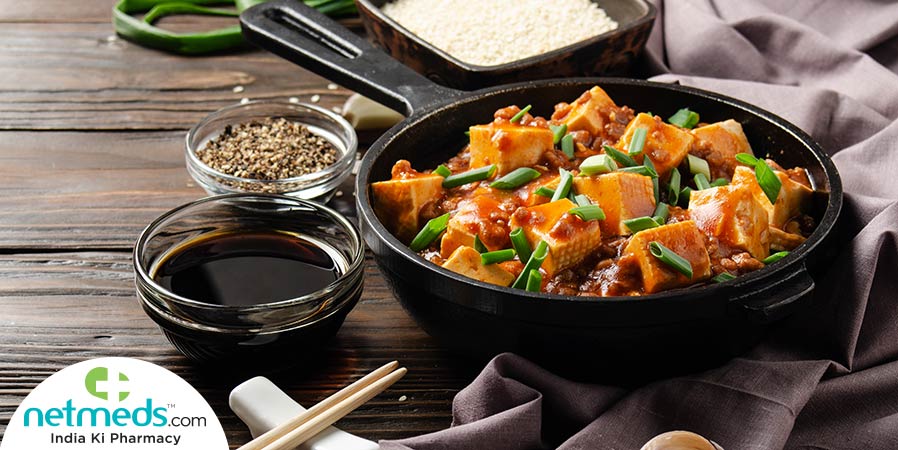
Tofu needs to be drained before cooking. Some of the dishes made using tofu include:
Tofu curry
Tofu bhurji
Stir-fries
Salads
Smoothies
Sandwich fillings
Common Uses of Paneer
Palak paneer or paneer butter masala
Paneer tikka
Paneer bhurji
Stuffed parathas
Curries and gravies
Ways to Add Tofu To Meal Plan
Substitute paneer with tofu in curries
Add grilled tofu to make nutritious salads
Use tofu scramble instead of eggs for a vegan delight.
Add tofu to soups, stir-fries and noodles.
Ways to Add Paneer To Meal Regimen
Always prefer low-fat paneer or homemade paneer while cooking different recipes.
Palak paneer gravy or other rich gravies.
Add to vegetable curries and biryanis.
Paneer paratha.
Grilled or roasted paneer snacks
Tofu vs Paneer Side Effects
Side Effects of Tofu
Though safe and well-tolerated by most healthy adults, soy may cause allergy in rare cases. Excess intake may result in bloating and digestive problems.
Side Effects of Paneer
Consuming paneer high in fat may increase cholesterol levels. It is also not suitable for those with lactose intolerance. Overconsumption of high-fat paneer may result in weight gain.
Frequently Asked Questions
Which Is Better Paneer or Tofu?
Both are valued as high-quality protein foods to cater to your nutritional needs. For vegans, tofu is ideal, which is also perfect for weight loss and optimal heart health. To make traditional and rich recipes, paneer is the best; however, go for low fat option. Overall, tofu is ideal for regular intake as it is low in calories and fat.
Is It Ok To Eat Tofu Every Day?
Yes, tofu is generally safe to eat daily in moderate quantities, around 100–150g. It is low in calories, cholesterol-free, and rich in plant protein meet the nutritional needs and augmenting overall health.
What Do We Call Tofu in India?
Tofu is commonly known as soy paneer.
Is Tofu More Expensive Than Paneer?
Not really, tofu is often cheaper or equal in price, and readily available in urban regions.
Conclusion
Although they may look similar, paneer and tofu are distinct foods. Paneer is a type of cheese, while tofu is made from soybeans. They are both great sources of protein and calcium that have gentle and fairly soft textures and can be readily interchangeable in certain dishes. Both foods can be part of a balanced diet; the key lies in portion control and personal health goals.
References
Low Cost Technology of Soy-Paneer (Tofu) Health Food from Soymilk Blended with Buffalo Milk
October 2018International Journal of Current Microbiology and Applied Sciences 7(10)
Surya PRAKASH Tripathi
IPS Academy
https://www.researchgate.net/publication/341254680_Low_Cost_Technology_of_Soy-Paneer_Tofu_Health_Food_from_Soymilk_Blended_with_Buffalo_Milk
https://www.happiesthealth.com/articles/food-and-nutrition/paneer-tofu-pros-cons
 Previous