


One more gulab jamun, another plate of crispy snacks, or a serving of rich paneer tikka, and you're worried about losing count of your Diwali calories? Well! Food is indeed a big part of Diwali celebrations. And while there is nothing wrong with enjoying your favourite festive treats, eating more than usual for several days can leave your stomach feeling less happy. That feeling of fullness, repeated burping, heartburn, or bloating after a heavy meal can be signs that your digestive system is asking for some time off to recover.
Let’s delve into some essential yet simple ways to get yourself back on track once your Diwali festivity and eating spree is over!
Also Read: Diwali And Heart Health: Festive Precautions For People With High Blood Pressure
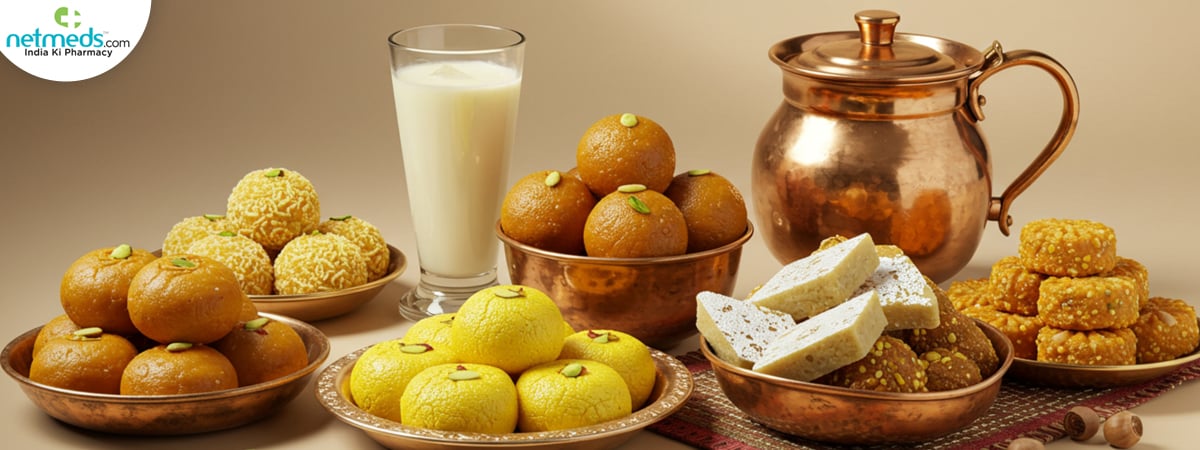
9 Healthy Eating Tips to Follow After Diwali Overindulgence
You do not need an expensive detox programme or a crash diet to feel better. A few sensible food choices and some changes to your daily routine can help ease digestive discomfort and get your eating habits back on track. Here are nine natural ways to detox and the best foods to eat after festive indulgence, besides making these healthy eating habits a part of your daily routine.
Give Your Digestive System A Break With Alternative Lighter Meals
After days of festive feasting, give rich, oily meals a miss and opt for lighter home-cooked foods such as moong dal khichdi, vegetable Dalia or a bowl of homemade dal-rice. Keep portions moderate and eat mindfully to avoid overloading your stomach.
Do Not Skip Meals To Compensate for Overeating
Feeling guilty about eating too many sweets? Skipping breakfast or lunch to make up for festive indulgence is not the right way. Going without food for long hours can leave you extremely hungry and encourage overeating later. Return to your regular meal schedule and choose balanced portions.
Add More Fibre To Your Daily Diet
Festive menus are fully loaded with refined flour, sweets, and fried snacks. This can affect bowel movements and contribute to constipation, as they do not leave any room for fibre-rich foods. Bring seasonal fruits, green vegetables, whole grains, beans and lentils back onto your plate. Apples, papaya, pears, carrots and oats are easy additions. Increase fibre gradually and stay hydrated.
Let Plain Curd Be Part of Your Meals
A bowl of homemade curd is a familiar addition to Indian meals. Dahi or curd has live cultures that provide beneficial bacteria that may help maintain a healthy gut microbiome. Enjoy it with rice, add it to a vegetable meal or have a small bowl alongside lunch. It is better to choose unsweetened curd instead of a flavoured yoghurt
Cut Down on Fried Snacks and Sugary Treats
You do not have to give up your favourite namkeen or mithai forever, but continuing to eat them in large quantities after Diwali may prolong digestive discomfort. Fried foods are high in fat and can slow stomach emptying, while excess sugar adds unnecessary calories. For everyday snacking, choose roasted makhana, a handful of almonds, fresh fruit, or homemade chana chaat.
Try Ginger or Fennel After Meals
There is a reason ginger and fennel seeds have been used in Indian kitchens for generations. Ginger may help with nausea and certain digestive complaints, while fennel is traditionally chewed after meals. You can prepare a mild ginger infusion or chew a small quantity of fennel seeds after eating. These ingredients may offer some digestive comfort, but they are not cures for persistent acidity or bloating.
Include Protein in Your Meals
A festive diet can sometimes become dominated by sweets, refined carbohydrates and fried snacks. Make room for protein-rich foods to keep meals satisfying and nutritionally balanced. Dal, rajma, chickpeas, paneer, eggs, tofu, fish and chicken are good choices. Combine them with vegetables and whole grains rather than relying on heavy gravies or processed foods.
Take a Short Walk After Eating
If you have been spending most of your festive evenings sitting around the dining table, it is time to get moving again. To manage post-meal blood sugar management and improve your digestive comfort, a short ten-minute walk after meals is fine. You don’t need an intense workout to get started. Even a relaxed walk around your neighbourhood is a good first step.
Get Back to a Regular Sleep Schedule
Late-night celebrations, social gatherings, and Irregular meal timings can throw your sleep schedule off track. Poor sleep can also hamper hunger hormones and may result in cravings for sugary and/or calorie-dense foods. Try to return to consistent bedtimes, with about eight hours of sleep. Skip eating heavy meals just before you hit the bed.
(For Healthy Digestive Function And Gut Health, shop From Our Wide Range Of Digestive Supplements)

Is a Detox Diet Necessary After Diwali?
After a few days of festive eating, detox teas, juice cleanses, and restrictive diets can seem tempting. But do you really need them? Not quite. Your liver and kidneys already work continuously to process and eliminate waste products from the body. There is no convincing scientific evidence that commercial detox drinks or restrictive cleanses remove toxins or reverse the effects of overeating. Rather than surviving on juices or skipping meals, give your body the nutrition it needs. Eat a variety of fruits and vegetables, include whole grains and protein, drink enough water, and get adequate rest. These everyday habits are much more useful than following a short-term detox trend.
When Should You Seek Medical Advice?
Occasional acidity, gas, and bloating after a heavy meal usually settle with time and sensible dietary changes. However, do not ignore symptoms that persist or become severe. Consult a doctor if you experience repeated vomiting, severe abdominal pain, blood in your stools, difficulty swallowing, or unexplained weight loss. Persistent digestive complaints may need medical evaluation rather than home remedies.
Conclusion
Diwali is meant to be enjoyed, and eating your favourite sweets or snacks is not something to feel guilty about. What matters is what you do afterwards. Instead of starving yourself or trying the latest detox trend, return to home-cooked meals, eat more fruits and vegetables, stay hydrated, and make time for a daily walk. A little consistency is all it takes to get back to your usual eating routine.
References:
https://www.niddk.nih.gov/health-information/digestive-diseases/acid-reflux-ger-gerd-adults/eating-diet-nutrition
https://www.niddk.nih.gov/health-information/digestive-diseases/gas-digestive-tract/eating-diet-nutrition
https://www.nhs.uk/symptoms/bloating/
https://www.nhs.uk/conditions/heartburn-and-acid-reflux/
https://www.mayoclinic.org/diseases-conditions/gas-and-gas-pains/in-depth/gas-and-gas-pains/art-20044739
https://pmc.ncbi.nlm.nih.gov/articles/PMC11891037/
https://link.springer.com/article/10.1007/s13410-015-0427-8
 Previous


