You have probably seen the posters around: chubby newborns wrapped in blankets, messages shouting out “Safety, Quality, Nurturing Care – Birth Right of Every Newborn.” That is the vibe of Newborn Care Week. In 2026, India marks Newborn Care Week from November 15 to 21, putting the spotlight right where it belongs: on the first 28 days of a baby’s life, when they are at their most fragile.
There is no sugarcoating it; bringing a baby home feels daunting. But small, steady routines make a huge difference. Here is a down-to-earth look at how to manage bathing, umbilical cord care, baby hygiene, feeding, warmth, and those moments when you really do need to call the doctor.
Also Read: Newborn Care Week 2025: Theme, Significance And 7-Day Guide To Top Baby Care Practices

Newborn Care Week 2026: Theme And Significance
Each year, November 15–21 is all about boosting newborn survival, encouraging quality care, and helping babies thrive. India ties this directly to reducing newborn deaths and stillbirths, big goals set out in the India Newborn Action Plan.
This week matters because the first month can go sideways fast: infections, feeding hang-ups, trouble breathing, and temperature dips. Simple things like warmth, breastfeeding soon after birth, clean hands, and paying attention to any odd symptoms can turn the tide.
Care for your newborn with our wide-range of baby care essentials!
Essential Newborn Care Basics
Wash your hands (with real soap and water) before holding or feeding your baby.
Dress your baby warm, but avoid overheating; make sure the head is covered in cooler places.
Start breastfeeding early and feed whenever the baby’s hungry.
Keep the umbilical cord clean and dry.
Wait at least a day before giving the first bath.
Don’t skip newborn check-ups or immunisations.
Safe Bathing Guide For Newborns
Delay The First Bath
The World Health Organisation says to wait at least 24 hours. Bathe too early, and you risk cooling your baby down too much. Plus, it can mess with skin-to-skin bonding and early feeds.
Sponge Bath Until The Cord Falls Off
Stick with sponge baths until the umbilical stump drops off and heals. Get your supplies ready before you start: a warm, cosy room, clean water at body temperature (test with your wrist), soft towels.
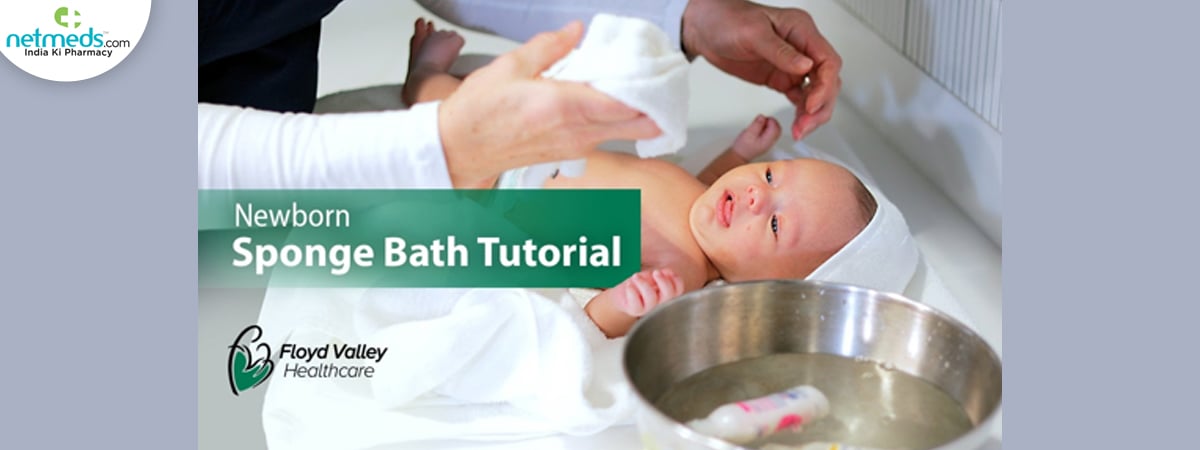
How To Give A Safe Sponge Bath?
Lay your baby flat and unwrap only the bits you are cleaning. Start with the face (just water), then do the rest with plain water or a mild soap. Clean the nappy area last, front to back. Pat everything dry; don’t rub and dress your baby right away.
Never leave your baby alone, not even for a second. Skip the hot water, heavy-duty soaps, and scrubbing.
When To Start Tub Baths?
Once the cord falls off and looks healed, you can go for short tub baths. Fill a small baby tub with just a couple of inches of warm water. Always keep a hand on your baby and wrap things up if they are getting chilly or unsettled.
Umbilical Cord Care: Do’s And Don’ts
That little stump usually dries up and falls off in a couple of weeks. Just keep it clean, dry, and fuss-free.
Do’s:
Let air reach the cord when possible.
Fold the nappy away from the stump to avoid moisture.
Clean with warm water only if soiled with pee or poo, and pat dry immediately.
Wash your hands before and after any cord touching.
Don’ts:
Put powders, oils, herbal cures, alcohol, or random ointments on the stump (unless the doctor says it is okay).
Yank or cut off the stump yourself.
Start tub baths before the stump falls off and heals.
Ignore redness, swelling, a foul smell, pus, bleeding, or a wet stump; these all mean infection, so call the doctor.
In some places with higher risks, the WHO does recommend a daily antiseptic (4% chlorhexidine) on the cord stump for a week, but if your baby was born in a hospital and everything was clean, just keep it dry and check with your paediatrician if unsure.
Baby Hygiene: Daily Care Made Simple
Nappy Care
Change the diaper quickly. Use water or gentle, fragrance-free wipes, dry well, and pop on a clean nappy. This helps stop nappy rash before it starts.
Skin Care
Go easy. Newborn skin is sensitive, so don’t overdo baths. A gentle face/hands/wrinkles/nappy area wipe-down between baths is usually enough.
Hand hygiene
Anyone handling your baby should scrub up first. Keep sick visitors at bay and don’t let people kiss your baby’s face or hands early on.
Clothes and Warmth
Go for one more layer than what you would wear, and keep the head warm on cooler days. Check your baby’s chest or back to see if they are comfy, not their hands or feet.
Feeding, Sleep, and Development
Breastfeeding is the gold standard; start as soon as you can and keep it up. Early feeds help with immunity, weight gain, and bonding. According to WHO, get your baby nursing as soon as they are stable and you are ready.
Put babies to sleep on their backs, on a solid, flat surface. No pillows, toys, or extra bedding, just a safe space. This drops the risk of suffocation and SIDS. Share your room, not your bed, for the first few months. Keep the room comfortably cool, and don’t leave your baby snoozing on sofas or adult beds.
Feeding: What to Look Out For?
Start breastfeeding in the first hour if you can. In the early days, your milk is ultra-rich in antibodies. Feed every time your baby is rooting, sucking, smacking lips, or turning toward you.
How To Tell If Your Baby Is Feeding Well?
You will know your baby is getting enough if they:
Wet at least six nappies a day after the first few days
Poop regularly, and it is soft
Settle after most feeds and wake on their own for feeds.
Get back to their birth weight by day 10–14.
Sleepy baby? Not feeding well? Not enough wet nappies or not gaining weight? Call your doctor.
Keeping Your Newborn Warm
Newborns lose warmth fast. They have little body fat and a lot of surface area compared to their weight. Dress them in a layer or two more than you would wear, and keep the head covered if it is cool.
Skin-to-skin contact, also called kangaroo care, works wonders. Cuddle your baby against your bare chest for warmth and bonding, especially if your baby was born early or is tiny.
Safe Sleep For Newborns
Always put your baby down on their back on a firm, flat sleep surface. Skip pillows, soft blankets, and toys in the sleep area. These can smother a baby.
Have your baby sleep in your room, but not in your bed, especially early on. Don’t let the room get stuffy or too warm. And don’t leave babies asleep on adult beds or couches.
Immunisation And Newborn Screening
Vaccines protect. In India, babies usually get BCG, OPV, and Hepatitis B at birth, with other shots on a set schedule. Newborn screening (like for hearing and certain thyroid problems) picks up issues early, when treatment is most effective.
Common Newborn Care Mistakes To Avoid
Bathing babies too soon or too often
Putting home remedies or unapproved stuff on the cord stump
Bundling babies up too much (risking overheating)
Not paying attention to poor feeding or fewer wet nappies
Letting sick folks handle the baby
Sleeping babies on their stomachs or with pillows and fluffy stuff
Delaying medical help when a baby suddenly has trouble breathing, feeding, or keeping warm
A Simple Daily Newborn Care Routine
Wash your hands before touching your baby
Feed when your baby wants and keep an eye on wet nappies
Keep your baby warm, but not too warm
Clean face, hands, and nappy area whenever needed
Keep the cord stump dry and clean
Do skin-to-skin as often as you like, supervised
Put your baby on their back for every sleep
Don’t skip doctor visits or vaccines
When to See the Doctor?
Call or see a doctor right away if your newborn has:
Trouble feeding, being unusually sleepy, or having far fewer wet nappies
Fast, strained, or noisy breathing
Blue lips, face, or tongue
Repeated vomiting, swollen tummy, or blood in the stool
New or worsening yellow skin or eyes
Redness, leaking, strong smell, or bleeding around the cord
Conclusion
Newborn Care Week is your nudge to slow down, pay attention, and get the basics right. Delay that first bath, keep the cord dry, wash your hands, feed on cue, and don’t ignore warning signs. These simple habits give your baby the best shot at a healthy, safe start.
References:
National Health Mission — Newborn Week:
https://nhm.hp.gov.in/child-health/fbncfacility-based-newborn-care/new-born-week
Ministry of Health & Family Welfare — National Newborn Week:
https://familywelfare.mn.gov.in/page/101
WHO — Caring for a newborn:
WHO — Kangaroo mother care practice guide:
WHO — Newborn health recommendations:
https://iris.who.int/server/api/core/bitstreams/e3ae29ae-a7f2-47f8-b1ce-bed3e3b2a971/content
Merck Manuals — Care of the healthy term newborn:
NHS — Washing and bathing your baby:
https://www.nhs.uk/baby/caring-for-a-newborn/washing-and-bathing-your-baby/
Women & Infants Hospital — Newborn care and wellness guide:
https://www.womenandinfants.org/services/pregnancy/newborn-care
 Previous