These days, eating healthy is made to sound more complicated than it is. Between emerging diet trends, packaged foods marketed as healthy, and the influence of social media on dietary advice, it can be hard to know what a wholesome, balanced diet plan looks like. Even homemade meals may not offer the right blend of nutrition if they contain large amounts of carbohydrates but very little protein, fruit, vegetables, or other dietary variety.
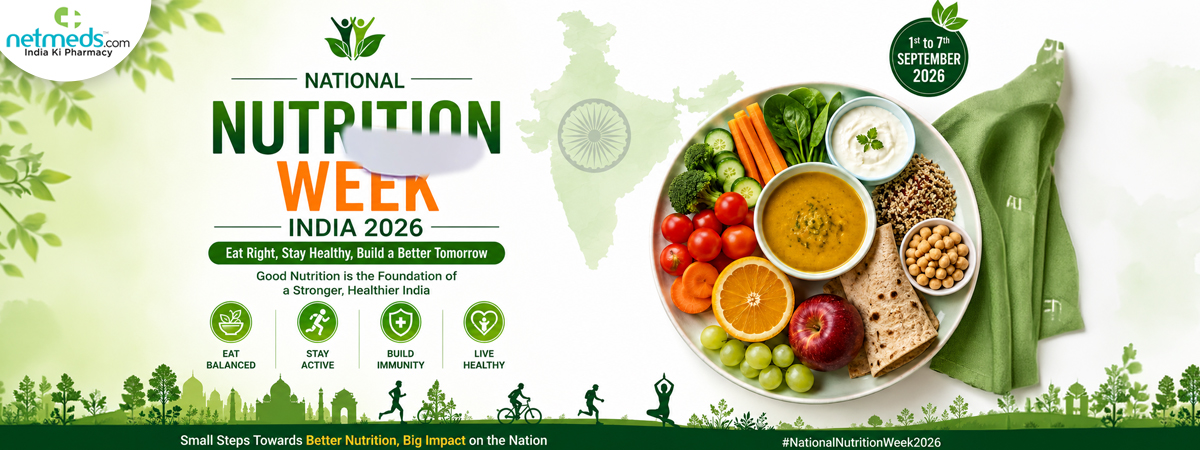
National Nutrition Week 2026 serves as a perfect way to look more closely at the daily food choices all Indian families make. National Nutrition Week 2026 is observed in India from September 1 to September 7 to raise awareness about the importance of healthy eating and adequate nutrition. Nutrition plays an essential role in supporting growth, immunity, energy levels, brain function, and overall well-being.
(To Stay Healthy and Augment Your Overall Physical And Mental Well-being, Shop From Our Wide Range Of Nutritional Supplements)
National Nutrition Week awareness is also closely linked with the government's Mission Poshan 2.0 and the nationwide Rashtriya Poshan Maah, observed throughout September. These programs focus on improving nutrition outcomes through community participation, behavioural change, diet diversity and access to nutritious foods.
Take this two-minute read to understand common dietary mistakes we make and simple, sustainable changes that can help individuals and families build healthier eating habits.
What Is National Nutrition Week?
National Nutrition Week is observed every year from September 1 to September 7 in India. The week aims to create awareness about the importance of nutrition and encourage people to make informed and healthy food choices.
Nutrition is more than simply eating adequate food. A healthy diet should deliver a wide variety of key nutrients, including carbohydrates, proteins, healthy fats, vitamins, minerals, fibre and adequate fluids.
The observance also highlights the importance of good nutrition across different stages of life, from childhood and adolescence to adulthood, pregnancy and older age.
Significance Of National Nutrition Week 2026
Promotes Nutrition Awareness
Most people may know that eating healthy is important but may not understand how to plan a well-balanced diet. Promoting nutrition awareness can help individuals make better choices regarding portion sizes, food variety, and appropriate nutrient intake.
Encourages A Balanced Diet
A healthy and balanced diet should include a combination of whole grains, pulses, vegetables, fruits, nuts, seeds, dairy or suitable alternatives, and other protein-rich foods. Eating a diverse range of foods helps provide a broad spectrum of essential nutrients.
Address Malnutrition
Malnutrition comprises both undernutrition and overnutrition. Nutrition-focused programs aim to promote right access to wholesome foods and encourage healthier dietary behaviours across all sections of the population.
Supports Healthy Lifestyle Habits
A good nutrition status works together with physical activity, adequate sleep, proper hydration and other healthy lifestyle. Developing healthy eating habits can contribute to optimising overall health and well-being.
In addition, nutrition initiatives emphasise community participation and behavioural change. Mission Poshan 2.0 aims to confer appropriate nutrition through initiatives involving Anganwadi centres, local communities and other stakeholders.
5 Common Dietary Mistakes People Make
Even people who consider themselves health-conscious can make simple dietary mistakes. Here are five common ones and practical ways to correct them.
Not Eating Adequate Fruits/Vegetables
A common dietary mistake people often make is relying largely on simple refined grains, processed and packaged foods, or ready-to-eat convenience foods, while having very small portions of fruits and vegetables. However, fruits and vegetables offer dietary fibre, vitamins, minerals and numerous beneficial plant compounds vital for augmenting overall well-being.
How To Eat Healthy?
Have at least one seasonal variety of fruit daily.
Aim to have at least 1-2 servings of vegetables at lunch and dinner.
Choose a rich array of colours of fruits and vegetables throughout the week.
Prefer whole fruits over fruit juices for better fibre intake.
Refined and Highly Processed Foods
Foods like refined flour products, sugary snacks, packaged beverages, and highly processed convenience foods can easily become a regular part of the diet. Eating these foods occasionally is different from making them dietary staples.
Also Read: National Nutrition Week 2025: Theme, And 8 Must-To-Add Power Foods For Optimal Health
How To Eat Healthy?
Choose a wide range of whole grains such as oats, brown rice, millets and whole-wheat products in your daily diet regimen
Replace packaged snacks with nuts, seeds, fruit or homemade snacks.
Read nutrition labels when purchasing packaged foods.
Restrict foods high in added sugar, salt and unhealthy fats.
Skipping Protein-Rich Foods
Protein is a key macronutrient for maintaining muscles and supporting several important bodily functions. However, some meals may contain very little protein.
How To Eat Healthy?
Include a good-quality protein source in each main meal. Based upon individual dietary preferences, the best choices of protein include:
Dal and other pulses
Beans and chickpeas
Soy and tofu
Paneer and curd
Eggs
Fish, poultry or lean meat
Nuts and seeds
Combining different plant-based protein sources can also help improve dietary variety.
Ignoring Portion Sizes
Eating nutritious foods does not necessarily mean consuming unlimited quantities. Portion sizes matter, particularly when meals are energy dense.
How to eat healthy?
Serve food in right portions.
Avoid eating directly from large packets.
Eat slowly and pay attention to hunger and fullness cues.
Build meals around vegetables, protein-rich foods and whole grains.
Be mindful of calorie-dense foods such as sweets, fried snacks, sauces and sugary beverages.
Not Drinking Enough Water
Hydration is mostly overlooked when people focus mainly on food. Water is essential for several bodily functions and helps maintain normal fluid and electrolyte balance.
How to eat healthy?
Drink water regularly throughout the day.
Carry a reusable water bottle handy.
Increase fluid intake when exercising or in a hot climate.
Choose water over sugary drinks and carbonated beverages.
Include water-rich foods such as fruits and vegetables as part of a balanced diet.
5 Simple Measures to Eat Healthy Every Day
You do not need to follow an extremely strict and restrictive diet to improve your nutrition. Small, consistent changes can make healthy eating easier.
Follow The Principle Of Dietary Diversity
Try to include a variety of food groups rather than relying on a limited selection of foods. Rotate fruits, vegetables, grains, pulses and protein sources throughout the week.
Make Half Your Meal Vegetables
Adding more seasonal vegetables to lunch and dinner is a simple way to increase fibre and micronutrient intake while adding colour and variety to meals.
Choose Minimally Processed Foods
Create a balanced meal regimen around foods such as whole grains, pulses, lean protein, vegetables, fruits, nuts, seeds and other nutritious foods.
Cut Down On Excess Sugar, Salt / Unhealthy Fats
Limit frequent consumption of sugary drinks, sweets, salty packaged snacks and deep-fried foods. This does not mean eliminating every food you enjoy; moderation is key, and overall dietary patterns matter.
Plan Your Meals
Meal planning can make healthy eating easier and reduce dependence on last-minute packaged or fast foods. Keep nutritious staples such as fruits, vegetables, pulses, whole grains, nuts and seeds readily available.
Conclusion
National Nutrition Week serves as a reminder that good nutrition is built through daily food choices rather than short-term restrictive diets. Eating a wide variety of seasonal foods, including quality protein, having plenty of fruits and vegetables, whole grains, maintaining hydration and restricting sugary, salty and highly processed foods can maintain a balanced eating pattern.
The Indian government works relentlessly to strengthen nutrition awareness through initiatives such as Mission Poshan 2.0 and Rashtriya Poshan Maah; individuals and families can contribute by making practical, sustainable and informed dietary choices.
References:
Barriers to Adherence to Healthy Diet and Recommended Physical Activity Perceived by the Polish Population
Katarzyna Domosławska-Żylińska 1,*, Magdalena Łopatek 1, Magdalena Krysińska-Pisarek 1, Larysa Sugay
https://pmc.ncbi.nlm.nih.gov/articles/PMC10779332/
https://www.mdpi.com/2072-6643/16/19/3367
 Previous