Chronic joint pain, muscle stiffness, nerve discomfort, and age-related degeneration have become increasingly common due to sedentary lifestyles, stress, improper posture, and lack of adequate self-care. While modern pain management methods may offer temporary relief, they often fail to address the root cause of these conditions, deep-seated Vata imbalance.
Ayurveda views pain, degeneration, dryness, and restricted movement as classic manifestations of aggravated Vata dosha, especially affecting the bones (Asthi dhatu), muscles (Mamsa dhatu), and nervous system (Majja dhatu). To counter this imbalance, Ayurveda prescribes oil-based therapies that nourish, lubricate, and rejuvenate tissues from within.
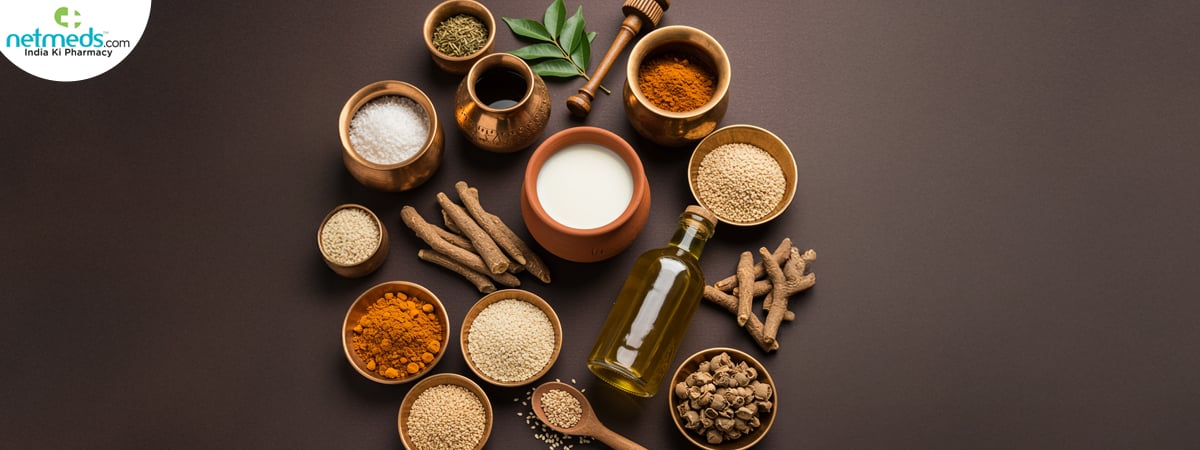
One such time-tested formulation is Mahanarayan Taila, a revered medicated oil widely used for musculoskeletal, neurological, and degenerative disorders. Enriched with a powerful blend of herbs infused in a nourishing oil base, Mahanarayan Taila offers both immediate comfort and long-term restoration.
Get rid of pain and inflammation with our wide range of ayurvedic oils for massage!
In this blog, we explore what Mahanarayan Taila is, its ingredients, preparation method, medicinal qualities, Ayurvedic properties, detailed health benefits, dosage, side effects, precautions, and more, helping you understand why it remains a cornerstone of Ayurvedic pain management.
What Is Mahanarayan Taila?
Mahanarayan Taila is a classical Ayurvedic medicated oil primarily indicated for Vata-related disorders affecting the joints, muscles, bones, nerves, and spine. The term ‘Maha’ means great, while ‘Narayan’ refers to Lord Vishnu, symbolising strength, protection, and preservation, highlighting the oil’s deeply restorative nature.
This oil is traditionally prepared by processing a large number of potent herbs in a base of sesame oil and milk, following references from authoritative Ayurvedic texts such as Bhaishajya Ratnavali and Ashtanga Hridaya.
Mahanarayan Taila is widely used for conditions like arthritis, spondylosis, sciatica, muscle wasting, paralysis, sports injuries, post-surgical weakness, and age-related joint degeneration. It is predominantly applied externally through Abhyanga (therapeutic massage) and Panchakarma therapies, though internal use may be advised in select cases under expert supervision.
Product Description Of Mahanarayan Taila
Form: Medicated herbal oil
Colour: Golden brown to dark brown
Texture: Thick, unctuous, deeply penetrating
Aroma: Herbal, warm, mildly pungent
Taste (if administered internally): Bitter, pungent
Mahanarayan Taila is available in bottles for massage use, clinical Panchakarma applications, and therapeutic rehabilitation protocols. It is suitable for both professional Ayurvedic therapies and home-based pain relief routines.
Key Ingredients of Mahanarayan Taila
Mahanarayan Taila is a polyherbal formulation containing over 30 herbs, carefully selected to pacify Vata, nourish tissues, and restore mobility.
Major Herbal Ingredients
Ashwagandha (Withania somnifera): Strengthens muscles, nerves, and bones
Bala (Sida cordifolia): Enhances muscle tone and nerve vitality
Shatavari (Asparagus racemosus): Nourishes tissues and supports regeneration
Dashamoola (Group of 10 roots): Reduces inflammation and balances Vata
Rasna (Pluchea lanceolata): Relieves joint stiffness and pain
Guduchi (Tinospora cordifolia): Anti-inflammatory and rejuvenative
Devadaru (Cedrus deodara): Improves circulation and relieves swelling
Gokshura (Tribulus terrestris): Strengthens connective tissues
Yava (Barley): Provides stability and nourishment
Base Ingredients
Tila Taila (Sesame oil): Deeply nourishing, Vata-pacifying oil
Go Ksheera (Cow’s milk): Enhances tissue-building and cooling effects
Water: Used for decoction preparation
Each ingredient works synergistically to deliver profound musculoskeletal and neurological support.
Method of Preparation
The preparation of Mahanarayan Taila follows a detailed and time-honoured Sneha Kalpana process:
Clean the herbal ingredients thoroughly, then crush and boil them in water to prepare a potent herbal decoction.
Allow the mixture to simmer gently until it reduces to one-fourth of its original volume, resulting in a concentrated extract rich in therapeutic compounds.
Add cow’s milk to the decoction to enhance its nourishing, strengthening, and cooling properties.
Combine high-quality sesame oil with the prepared decoction and milk mixture.
Cook the blend slowly over a mild flame, stirring continuously to ensure even heating and prevent charring.
Continue heating until all moisture evaporates completely and only the pure, herb-infused oil remains.
Once the oil cools, filter it carefully to remove residual herbal matter.
Finally, store the medicated oil in airtight, preferably amber-coloured containers to protect it from light and preserve its potency.
This meticulous preparation process ensures that both water-soluble and fat-soluble active principles of the herbs are effectively absorbed into the oil, enhancing its therapeutic efficacy.
Medicinal Qualities of Mahanarayan Taila
Vatahara: Pacifies aggravated Vata dosha
Vedanasthapana: Relieves pain
Balya: Strengthens muscles and bones
Snigdha: Provides deep lubrication
Shothahara: Reduces inflammation and swelling
Rasayana: Rejuvenates tissues and nerves
Ayurvedic Properties Of Mahanarayan Taila
Rasa (Taste)
Bitter (Tikta), Sweet (Madhura)
Guna (Qualities)
Heavy (Guru), Unctuous (Snigdha)
Virya (Potency)
Heating (Ushna)
Vipaka
Sweet (Madhura)
Dosha Action
Strongly pacifies Vata, supports Kapha
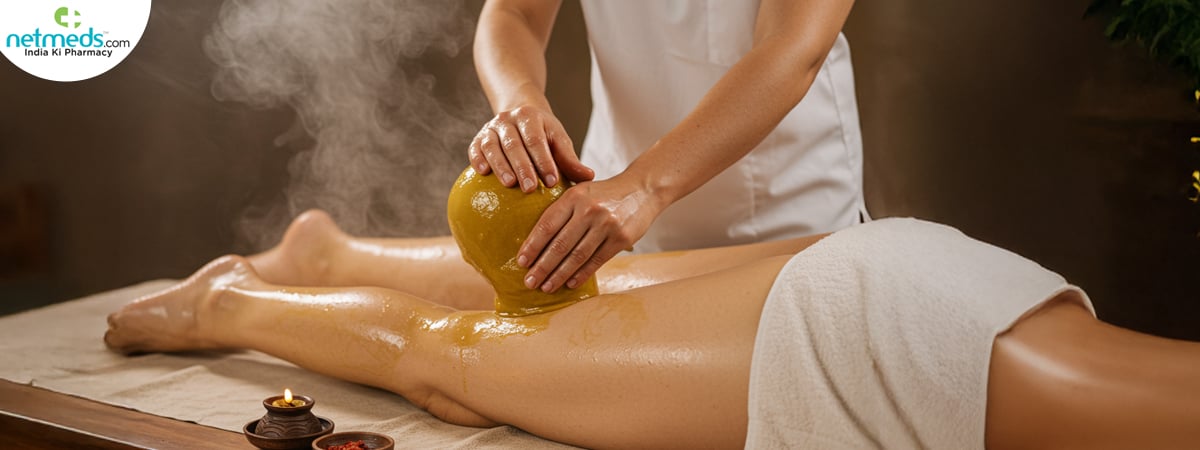
10 Amazing Health Benefits of Mahanarayan Taila
Relieves Chronic Joint Pain and Arthritis
Chronic joint pain caused by conditions like osteoarthritis and rheumatoid arthritis is closely linked to aggravated Vata dosha, which leads to dryness, degeneration, and stiffness in the joints. Mahanarayan Taila works by deeply lubricating the joint spaces, nourishing the cartilage, and improving synovial fluid movement. Its warming (Ushna) and unctuous (Snigdha) qualities help reduce pain, swelling, and morning stiffness, making daily movements smoother and less painful. Regular massage can significantly improve joint comfort and slow degenerative changes.
Strengthens Muscles
Muscle weakness and wasting often occur due to prolonged illness, ageing, nerve damage, or lack of movement. Mahanarayan Taila contains strengthening herbs like Ashwagandha, Bala, and Shatavari, which nourish Mamsa dhatu (muscle tissue) at a deeper level. When massaged regularly, the oil improves muscle tone, supports tissue regeneration, and restores strength. It is particularly beneficial for people recovering from surgery, long-term bed rest, or neuromuscular conditions.
Eases Lower Back Pain
Lower back pain and sciatica (Gridhrasi) are classic Vata disorders involving nerve compression and spinal stiffness. Mahanarayan Taila penetrates deep into the lumbar region, reducing inflammation around nerves and relaxing tight muscles. Its warming nature improves blood circulation, relieves radiating pain, numbness, and tingling sensations, and restores flexibility to the spine. It is commonly used in therapies like Kati Basti and Abhyanga for chronic back pain relief.
Also Read: Sciatica: 5 Simple And Effective Stretches To Ease Nerve Pain
Supports Nerve Health
Nerve-related issues such as tingling, numbness, burning sensations, and weakness are signs of disturbed Majja dhatu (nervous tissue). Mahanarayan Taila nourishes and rejuvenates nerve endings, improves nerve conduction, and calms an overactive nervous system. Regular application helps manage peripheral neuropathy, nerve degeneration, and post-injury nerve pain by restoring Vata balance and enhancing nerve resilience.
Improves Joint Mobility
Restricted movement, joint cracking, and stiffness often result from dryness and toxin accumulation (Ama) in the joints. The deeply penetrating herbs in Mahanarayan Taila help dissolve toxins, lubricate joint capsules, and increase elasticity of ligaments and tendons. With consistent use, joint mobility improves, flexibility increases, and movements become smoother, making it especially useful for people with sedentary lifestyles or physically demanding routines.
Also Read: Ayurveda For Rheumatoid Arthritis: Phenomenal Herbal Remedies To Mitigate Joint Pain
Aids Post-Stroke Rehabilitation
In Ayurveda, stroke is known as Pakshaghata, a severe Vata disorder that affects movement and muscle control on one side of the body. Mahanarayan Taila is widely used during post-stroke rehabilitation as part of Panchakarma therapies. Gentle massage improves circulation to affected areas, strengthens weakened muscles, supports nerve regeneration, and enhances coordination. Over time, it helps restore mobility, reduce stiffness, and support functional recovery.
Also Read: Stroke/Cerebrovascular Accident: Causes, Symptoms And Treatment
Reduces Inflammation
Inflammation and swelling in joints, tendons, and muscles can arise due to Vata-Kapha imbalance or toxin buildup. Mahanarayan Taila contains anti-inflammatory herbs like Dashamoola, Guduchi, and Rasna, which help calm inflammation without causing dryness. Regular application reduces swelling, relieves tenderness, and promotes faster healing of inflamed tissues, making it effective for tendonitis, bursitis, and joint inflammation.
Also Read: Shotha/Edema: Time-Tested Ayurvedic Remedies To Get Relief From Painful Water Retention
Enhances Recovery from Sports Injuries
Athletes and physically active individuals often experience muscle strains, ligament injuries, and joint stress. Mahanarayan Taila accelerates recovery by improving blood flow, reducing muscle tightness, and nourishing injured tissues. Its strengthening and rejuvenating properties help prevent stiffness, improve flexibility, and restore muscle balance, making it ideal for post-workout massages and injury rehabilitation.
Beneficial in Age-Related Degeneration
As we age, Vata naturally increases, leading to joint degeneration, brittle bones, muscle weakness, and reduced mobility. Mahanarayan Taila is highly beneficial in geriatric care (Jara Chikitsa) as it counteracts dryness, nourishes tissues, and preserves joint health. Regular massage improves balance, reduces the risk of falls, and enhances overall physical stability and comfort in elderly individuals.
Promotes Physical Relaxation
Beyond physical healing, Mahanarayan Taila has a calming effect on the mind and nervous system. Vata imbalance often manifests as restlessness, anxiety, poor sleep, and mental fatigue. Abhyanga with this oil grounds the body, relaxes tense muscles, soothes nerves, and promotes deep relaxation. This results in improved sleep quality, reduced stress levels, and better mind-body harmony.

How to Use Mahanarayan Taila? Dosage and Application
Dosage depends on age, health condition, and individual constitution.
External Application
Warm the oil slightly
Massage gently for 20–30 minutes
Focus on affected joints or entire body
Follow with warm water bath
Internal Use (Only under supervision)
Dosage: 2–10 ml with warm milk or water
Used in specific therapeutic protocols
Mahanarayan Taila Side Effects
Mahanarayan Taila is generally safe for external use, but some potential side effects include
Mild skin irritation in sensitive individuals
Digestive discomfort if taken improperly
Excess heat sensation in Pitta-dominant individuals
Precautions Before Using Mahanarayan Taila
Patch test before use
Avoid on open wounds or infections
Consult an Ayurvedic doctor for internal use
Use cautiously in Pitta disorders
Pregnant and lactating women should seek advice
Conclusion
Mahanarayan Taila is a timeless Ayurvedic formulation that embodies holistic healing for pain, degeneration, and neuromuscular disorders. Its deeply nourishing and Vata-pacifying nature not only alleviates symptoms but also rejuvenates tissues at a cellular level.
Whether used in therapeutic massages or as part of a structured Panchakarma protocol, Mahanarayan Taila remains a powerful natural ally for restoring mobility, strength, and overall vitality. When used mindfully under expert guidance, it offers long-lasting relief and improved quality of life, naturally and safely.
References:
- https://www.researchgate.net/publication/360217469_FORMULATION_AND_EVALUATION_OF_MAHANARAYANA_OIL_FOR_PAIN_RELIEF_AND_MUSCLE_TONE
- https://medwinpublishers.com/JONAM/efficacy-of-mahanarayana-taila-matra-basti-in-primary-insomnia-anidra-an-analytical-review.pdf
- https://www.wjpmr.com/download/article/72092020/1601457183.pdf
 Previous