


We all love chasing the next big skin care trend! Glass skin, slugging, skin cycling, or the latest viral ingredient lighting up our feeds. From serums to supplements, are we not constantly on the lookout for what truly works? However, while trends come and go, some ingredients rise above the hype and find their place in real routines. One such skin-friendly component is astaxanthin. An antioxidant quietly becoming a skin care obsession for its science-backed power to protect, repair, and glow-boost skin in a world full of stressors.
So, why is this fancy name suddenly everywhere? Let us break down how it is changing the skin care game and how you can use it to slay like never before.

Also Read: Vitamin C, Skin Acids And Retinoids: Benefits, Precautions. When To Start Using Them?
Is Astaxanthin Famous For Transforming Anti-Ageing Skin Care?
It is! We all know antioxidants remain an essential component for dermal health, and astaxanthin is certainly a game-changing ingredient in advanced skin care. A carotenoid, natural and also known for its deep red-orange pigment, it belongs to the same family as beta-carotene but is much more powerful in neutralising free radicals. What sets astaxanthin apart is its unique molecular structure, which allows it to protect skin cells from both internal and external oxidative stress.
Flaunt Gorgeous Skin And A Refreshed Look, With Our Wide Range Of Best-Selling Skincare Products!
Where Does Astaxanthin Come From?
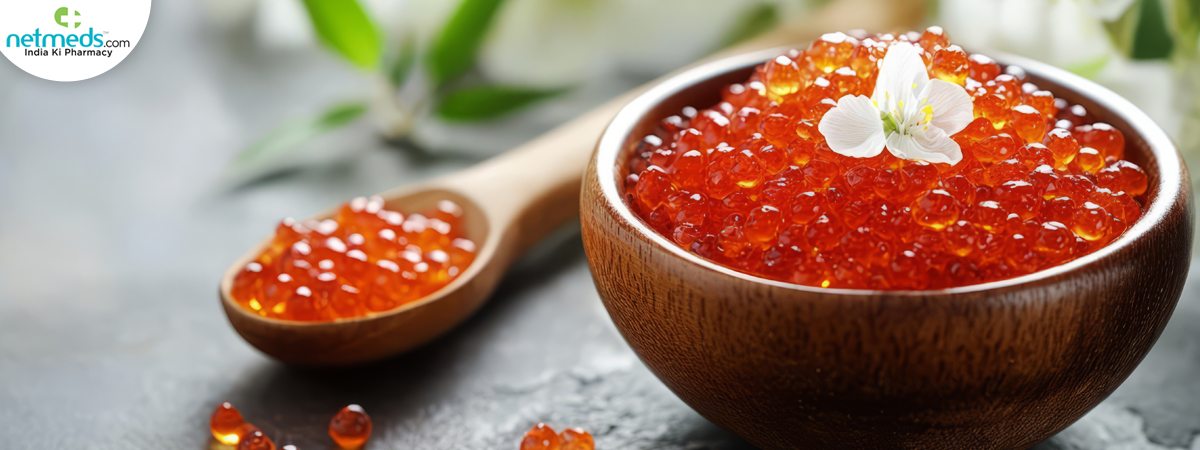
Astaxanthin is primarily found in microalgae called Haematococcus pluvialis. This algae produces astaxanthin as a natural defence mechanism when exposed to harsh conditions like UV radiation. When marine animals consume this algae, the antioxidant passes up the food chain. As a result, astaxanthin is also found in salmon, trout, shrimp, lobster, krill, and crab, giving them their characteristic pink or reddish colour. In skin care and supplements, astaxanthin is usually derived from algae rather than synthetic sources, as natural astaxanthin is more effective. Thanks to its ability to cross cell membranes and provide long-lasting antioxidant protection, this compound has become a highly valued ingredient in anti-ageing skin care, UV protection formulas, and skin health supplements.
Benefits Of Regular Astaxanthin Use For Skin
Supports Collagen Preservation
Regular astaxanthin use helps inhibit collagen degradation caused by oxidative stress. By preserving collagen and elastin fibres, it improves skin elasticity and firmness, reducing the appearance of fine lines and wrinkles associated with photo-induced ageing.
Provides Internal Photoprotection Against UV Damage
Astaxanthin offers systemic photoprotection by reducing inflammation caused by harmful rays and DNA damage. While not a substitute for sunscreen, it can enhance skin resilience against sun exposure.
Combats Inflammation
Astaxanthin has anti-inflammatory properties that can regulate inflammatory markers in the skin. This makes it beneficial for sensitive, acne-prone, and reactive skin by reducing redness, irritation, and barrier dysfunction over time.
Boosts Natural Skin Radiance
Astaxanthin helps revive dull, tired-looking skin by improving overall skin health from within. With regular use, it supports even skin tone, enhances natural radiance, and gives the skin a healthy, well-rested glow.
Improves Skin Hydration
By strengthening the skin barrier, astaxanthin helps retain moisture and prevent dryness. Consistent use improves skin smoothness, softness, and texture, making the skin feel more supple and visibly healthier.
Helps Skin Cope With Daily Environmental Stress
From pollution to screen exposure, modern skin faces constant stress. Astaxanthin helps the skin adapt better to these daily aggressors, reducing visible fatigue, supporting long-term skin strength, and preventing premature ageing
5 Ways to Add Astaxanthin To Your Skin Care Routine
Whether applied topically or consumed through diet and supplements, astaxanthin can defend against premature ageing, environmental damage, and dullness. Adding astaxanthin to your skin care routine is a smart step towards healthier, stronger, and more radiant skin. Here is how you can do it:
Astaxanthin Skin Care Products
Look for serums, creams, or lotions containing astaxanthin. When used consistently, these products help protect skin from UV damage, improve hydration, and reduce signs of ageing.
Astaxanthin Supplements
Oral astaxanthin supplements support skin health from within. They help improve skin elasticity, reduce wrinkles, and enhance natural glow by combating oxidative stress at a cellular level.
Eat Astaxanthin-Rich Foods
To get this component in its best form, include wild salmon, trout, shrimp, and krill oil in your diet. These natural sources are great sources of astaxanthin and omega-3 fatty acids.
Pair With Sunscreen
Astaxanthin is not a sunscreen, but when used alongside SPF, it enhances protection against UV-induced skin damage and photo ageing.
Combine With Other Antioxidants
Astaxanthin works well with vitamin C, vitamin E, and niacinamide. This combination strengthens the skin barrier and boosts overall antioxidant defence.
Also Read: Ultimate Daily Skincare Routine: Why It Needs Nurture Every Day And Steps To Stay Radiant
Frequently Asked Questions
Is Astaxanthin Good For Anti-Ageing?
Yes, astaxanthin helps reduce fine lines, wrinkles, and loss of elasticity by protecting collagen and fighting oxidative stress.
Can Astaxanthin Improve Skin Glow?
Regular use of astaxanthin supports even skin tone, hydration, and natural radiance, giving the skin a healthy glow.
Is Astaxanthin Suitable For Sensitive Skin?
Astaxanthin has anti-inflammatory properties, making it suitable for sensitive and acne-prone skin when used correctly.
How Long Does Astaxanthin Take to Show Results?
With consistent use, visible improvements in skin texture and elasticity may appear within six to eight weeks.
References:
The Role of Astaxanthin as a Nutraceutical in Health and Age-Related Conditions
Geir Bjorklund
https://pmc.ncbi.nlm.nih.gov/articles/PMC9655540/
https://onlinelibrary.wiley.com/doi/10.1155/2020/2156582
 Previous


