Yoga, an ancient practice that harmonizes the body, mind, and spirit, has evolved into various forms across different cultures. While most people are familiar with traditional yoga, deeply rooted in Indian philosophy, Kemetic Yoga, an African-based practice, is gaining recognition for its benefits in posture, mindfulness, and healing. But which yoga style is best for you?
Also Read: Yoga Props 101: What Are They, Benefits, And 10 Essential Items For Every Yogi
This blog explores the key differences, benefits, and origins of Kemetic vs. Traditional Yoga to help you choose the ideal practice for your wellness journey.
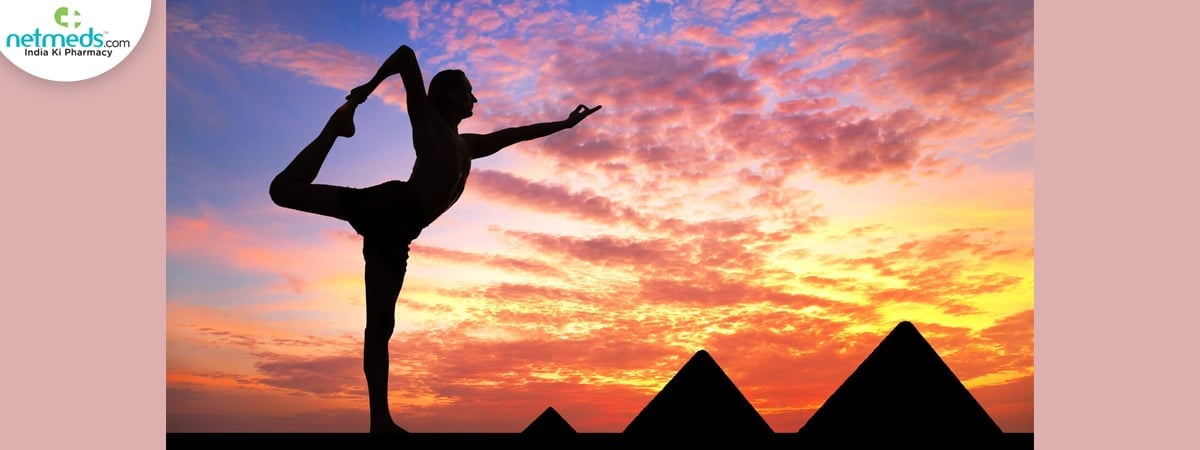
What is Kemetic Yoga?
Kemetic Yoga, also called "Egyptian Yoga," is gaining attention as a mindful practice that enhances posture, flexibility, and stress relief. Compared to Traditional Yoga styles like Hatha, Vinyasa, and Ashtanga, Kemetic Yoga for beginners emphasizes geometric alignment and controlled breathing for holistic healing. It is a system of postures, and meditative practices based on hieroglyphic inscriptions found in ancient Egyptian temples. The movements are slow, controlled, and geometrically aligned, emphasizing deep breathing and spinal alignment.
What is Traditional Yoga?
Traditional yoga, originating from ancient India, is a holistic practice that integrates physical postures (asanas), breath control (pranayama), and meditation (dhyana) to achieve mental clarity and spiritual enlightenment. There are various forms of traditional yoga, including Hatha, Ashtanga, Kundalini, and Vinyasa, each with its unique focus and benefits.
Which Yoga Practice is Right for You?
The choice between Kemetic Yoga vs. Traditional Yoga depends on your personal preferences, cultural interests, and wellness goals.
Is Kemetic Yoga better than Traditional Yoga?
The answer depends on your wellness goals. If you seek spinal alignment, controlled breathing, and African spiritual traditions, Kemetic Yoga may be a better fit. However, if you seek a meditative, introspective practice that connects breath with movement, Traditional Yoga may be more suitable.
Can You Practice Both?
Absolutely! Many practitioners incorporate elements of both Kemetic and Traditional Yoga to create a well-rounded routine. Kemetic Yoga for beginners is an excellent choice due to its slow, controlled movements and focus on breathwork. Unlike fast-paced yoga styles, it provides a gentle introduction to body alignment and mindfulness, making it ideal for those new to yoga. However, you can explore the dynamic sequences from Traditional Yoga for strength and endurance.
Is Kemetic Yoga suitable for beginners?
Yes, Kemetic Yoga’s slow movements and focus on breath control make it ideal for beginners looking for a mindful practice.
Can Kemetic Yoga help with stress relief?
Yes, the deep breathing techniques and meditative postures in Kemetic Yoga promote relaxation and stress reduction.
What are the best yoga styles for flexibility?
Traditional yoga styles like Hatha, Vinyasa, and Ashtanga focus on improving flexibility through dynamic stretching.
Can I practice both Kemetic and Traditional Yoga together?
Yes, integrating both styles can provide a balanced approach to physical, mental, and spiritual well-being.
Do I need special equipment for Kemetic Yoga?
No, a yoga mat and comfortable clothing are sufficient. Some practitioners use meditation cushions for seated postures.
Also Read: Yoga For Beginners: 5 Easy Asanas To Initiate This Holistic Practice Right At Home
Core Principles of Kemetic Yoga:
- Rooted in African spirituality and ancient Egyptian philosophy
- Focuses on geometric alignment of the body
- Uses slow, flowing movements combined with controlled breathing
- Emphasizes mindfulness, self-awareness, and holistic healing
- Often includes teachings about Egyptian mythology and historical connections
Benefits of Kemetic Yoga
Improves Posture and Body Alignment
Kemetic Yoga emphasizes geometric postures that align the spine and promote better posture.
Enhances Breathing and Circulation
Deep breathing techniques in Kemetic Yoga boost oxygen flow, helping to improve circulation and detoxify the body.
Strengthens Mind-Body Connection
With a focus on mindfulness, Kemetic Yoga fosters self-awareness and emotional balance.
Aids in Stress Reduction
Kemetic Yoga for stress relief and flexibility is one of the best yoga styles that helps release tension while promoting mind-body awareness, making it an excellent practice for relaxation and flexibility.
Cultivates Spiritual Awareness
Kemetic Yoga integrates ancient African spiritual practices, helping practitioners connect with their higher self.
Promotes Flexibility and Mobility
The fluid, controlled movements help improve flexibility and mobility without putting stress on joints.
Boosts Energy and Vitality
By activating life force energy through breathwork, Kemetic Yoga helps in increasing overall vitality.

Core Principles of Traditional Yoga:
- Rooted in Indian philosophy and the teachings of the Vedas
- Focuses on the union of mind, body, and spirit
- Involves a structured sequence of postures and breathing techniques
- Includes meditation and mindfulness practices for inner peace
- Often associated with Hindu and Buddhist traditions
Benefits of Traditional Yoga
Enhances Physical Strength and Flexibility
Regular practice of Traditional Yoga improves strength, flexibility, and endurance.
Supports Mental Clarity and Focus
Meditation and breathwork enhance cognitive function and concentration.
Reduces Stress and Anxiety
Practicing traditional yoga for stress relief and flexibility helps lower cortisol levels, leading to reduced stress and improved mood.
Boosts Immunity and Detoxification
Yoga postures aid in better circulation and stimulate the body's detoxification process.
Improves Respiratory Health
Pranayama (breath control) strengthens lung capacity and enhances respiratory function.
Aids Digestion and Metabolism
Certain yoga postures improve digestion and boost metabolism, aiding in weight management.
Promotes Emotional and Spiritual Growth
Yoga fosters self-awareness, mindfulness, and spiritual connection, leading to a more fulfilling life.
Key Differences Between Kemetic Yoga and Traditional Yoga
Feature
Kemetic Yoga
Traditional Yoga
Origin
Ancient Egypt (Kemet)
Ancient India
Philosophy
Rooted in African spirituality and geometric alignment
Based on Hindu and Buddhist teachings of self-realization
Movement Style
Slow, controlled, and geometrically aligned postures
Varies from slow (Hatha) to dynamic (Vinyasa, Ashtanga)
Breathwork
Deep, rhythmic breathing with every posture
Controlled breathing (pranayama) with varied techniques
Spiritual Elements
Connection to ancient Egyptian mythology and African wisdom
Incorporates yogic scriptures like the Bhagavad Gita and Patanjali’s Yoga Sutras
Goal
Holistic healing, mindfulness, and spinal health
Physical, mental, and spiritual enlightenment
Here is how you can decide:
Choose Kemetic Yoga if:
- You are interested in African history and spiritual traditions
- You prefer slow, mindful movements with geometric precision
- You want to focus on breath control, spine alignment, and deep relaxation
- You seek a holistic healing approach for stress relief and body awareness
Choose Traditional Yoga if:
- You resonate with Indian philosophy and yogic scriptures
- You want a variety of yoga styles, from gentle (Hatha) to intense (Ashtanga)
- You aim for a structured path towards self-discipline, strength, and flexibility
- You are interested in meditation, mindfulness, and achieving mental clarity
Conclusion
Both Kemetic Yoga and Traditional Yoga offer profound benefits for physical, mental, and spiritual well-being. Whether you choose the structured, breath-aligned movements of Kemetic Yoga or the diverse, meditative traditions of Traditional Yoga, the key is to find a practice that resonates with your body and mind. Experiment with both styles, listen to your intuition, and embark on a yoga journey that nurtures your overall well-being.
Frequently Asked Questions
(This article is reviewed by Kalyani Krishna Chief Content Editor)
Author Profile
Soumita Basu:
Soumita Basu holds a Bachelor’s Degree in Pharmacy and is keenly interested in Ayurveda, home remedies, yoga, fitness, diagnostics, and beauty. With nearly 6 years of experience, she produces evidence-based health content, including articles, videos, and infographics, to provide valuable insights to her audience.
References:
- https://yogainternational.com/article/view/the-black-history-of-yoga/?srsltid=AfmBOorNaGCVypjGG6WxlVFEHJI3sXq5wmLkL9iEOt1Z_fiCh8dw4w1K
- https://www.researchgate.net/publication/355982245_India's_battle_against_Egyptian_Yoga
- https://jps.library.utoronto.ca/index.php/ya/article/download/37820/28794/99575
 Previous