The monsoon season brings much-needed respite from sweltering summer heat, but it also increases discomfort for people with joint discomfort. Increased humidity and atmospheric pressure changes can aggravate arthritis symptoms and trigger inflammation. People living with arthritis may observe increased joint pain, muscle stiffness, and swelling, making it hard to move freely and carry out daily activities.
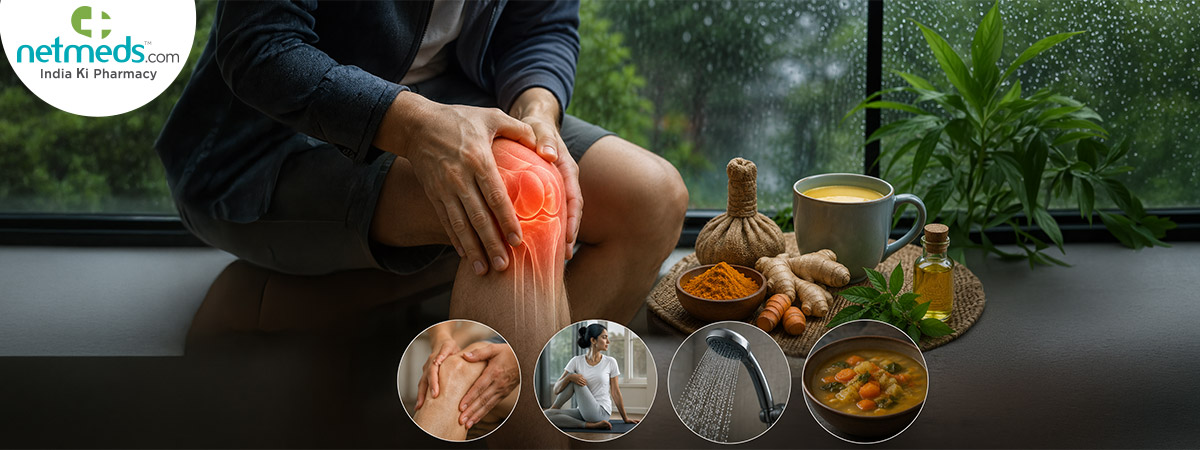
What Is Arthritis?
Arthritis is an inflammatory condition that affects the joints, causing symptoms like pain, stiffness, swelling and difficulty moving. Osteoarthritis, rheumatoid arthritis and gout are among the common forms of arthritis.
(To Ease Joint Pain And Stiffness, Shop From Our Best-Selling Supplements)
Why Does the Rainy Season Worsen Joint Pain?
The joint is a region where two or more bones meet. These points are surrounded by structures such as cartilage, ligaments, synovial fluid and nerves, promoting stability and easy movement of the joints. During the rainy season, pressure drops, lower temperatures, and high humidity may induce joint pain as the structures around the joints become highly sensitive to the climatic conditions. The soft tissues surrounding the joint expand, increasing the stiffness in the knees, hips, shoulders or back. This may add pressure on the nerve endings around the joint, contributing to pain and reduced mobility in some people.
Common Symptoms Of Arthritis During Monsoon
People with arthritis may experience:
Joint pain or aching
Swelling around the joints
Reduced range of motion
Difficulty walking or climbing stairs
Muscle stiffness around affected joints
Increased discomfort after prolonged inactivity
Persistent or worsening symptoms should not simply be attributed to the weather. They may indicate that the underlying condition requires medical evaluation. The good news is that simple lifestyle measures, regular movement and appropriate medical care can help manage joint pain during monsoon and support better mobility.
5 Effective Ways To Manage Joint Pain During Monsoon
Managing arthritis includes a combination of physical activity, weight management, healthy eating, good rest and the right medical care. Here are five effective strategies to support and regulate monsoon joint pain.
Get Moving with Low-Impact Exercise
Rainy season may encourage most people to stay indoors; however, continued physical inactivity can make joints feel stiffer. Regular, gentle movements help maintain flexibility, improve muscle strength and joint function.
Try low-impact activities such as:
Indoor walking
Stretching
Static cycling
Swimming
Start slowly and choose activities that do not unusually increase your pain. If you have severe arthritis or mobility issues, speak with a healthcare provider or physiotherapist about suitable exercise regimens.
Maintain A Healthy Weight
Being overweight or obese can put additional stress on weight-bearing joints such as the knees, hips and ankles. Maintaining body weight within a healthy range can help reduce mechanical stress on these joints and support mobility.
Focus on a balanced diet comprising the right portion of vegetables, fruits, whole grains, legumes, lean meats, healthy fats and nuts and seeds.
Restrict intake of highly processed foods, sugar-laden foods, and foods high in unhealthy fats.
Stay Warm/ Avoid Prolonged Exposure To Dampness
During the monsoon, keep your body warm and cosy, and avoid staying in wet clothes for prolonged periods. If your joints feel stiff, gentle movement or a warm shower may help you feel more comfortable.
A warm compress may temporarily ease muscle pain and joint stiffness. However, avoid applying excessive heat directly to swollen or acutely inflamed areas unless advised by a healthcare provider
Prioritise Anti-Inflammatory Foods
A wholesome and healthy eating pattern may support overall health and help people manage chronic inflammatory conditions alongside prescribed treatment.
Include foods rich array of anti-inflammatory foods, such as:
Fatty fish
Walnuts
Green leafy vegetables
Seasonal vegetables
Berries and other fruits
Whole grains and legumes
Spices such as turmeric and ginger as part of a balanced diet
There is no single food that can cure arthritis. Food choices should complement, not replace medical treatment.
5 Best Anti-Inflammatory Drinks To Manage Arthritis Pain And Swelling
Follow Your Treatment Plan
For those diagnosed with arthritis, it is important to take medications as prescribed by a healthcare provider and get regular follow-up review. Never stop or change arthritis medications just because your symptoms improved or worsened with the weather changes.
Consult a doctor if joint pain is:
Persistent or progressively worsening
Associated with significant swelling
Accompanied by redness or warmth
Limiting your daily activities
Associated with fever or feeling unwell
Sudden and severe
Early assessment can help identify the cause of joint symptoms and ensure appropriate treatment.
Can Monsoon Weather Cause Arthritis?
No. Monsoon season does not cause arthritis; however, arthritis occurs due to several factors based on the type, such as age-related joint changes, autoimmune processes, genetics, existing joint injuries and other health conditions.
However, some people who already have arthritis may notice that their symptoms become more noticeable during changes in temperature, humidity or atmospheric pressure.
Can Joint Pain Be Prevented During Monsoon?
While it may not be possible to prevent weather-related changes in joint discomfort completely, certain healthy habits can help keep joints mobile and support overall joint health.
Stay physically active, maintain a healthy weight, eat a balanced diet, avoid prolonged inactivity and follow your healthcare provider's treatment plan. Paying attention to your symptoms can also help you identify activities or environmental factors that appear to make your discomfort worse.
Conclusion
Joint pain during monsoon can be particularly uncomfortable for people living with arthritis. Weather changes may make existing symptoms more noticeable in some individuals. Regular low-impact workouts, maintaining a healthy weight, staying comfortable, eating a whole meal, and following prescribed treatment plans are effective ways to manage arthritis pain during the monsoon. If pain, swelling or stiffness persists or interferes with daily life, consult a healthcare professional for proper evaluation and treatment.
References:
https://pmc.ncbi.nlm.nih.gov/articles/PMC10120534/
Associations between weather conditions and osteoarthritis pain: a systematic review and meta-analysis
Lin Wang a, Qinguang Xu a,*, Yan Chen b, Zhaohua Zhu c,✉, Yuelong Cao a,✉
 Previous