Reaching into the refrigerator and finding a container with leftover dough from the last meal is common in most households. Yes, making roti or paratha with leftover dough is a day-to-day practice as it feels practical and time-saving. Moreover, kneading dough every time you cook, especially on rushed mornings or after a long day, may feel tiring. However, food experts suggest that this may not always be as harmless as it looks. Dough is not just a blend of flour and water; it is moist and rich in carbohydrates that support microbial growth if it is not properly handled. And with most of us relying on meal prep and batch cooking, it is important to understand whether refrigerated dough is safe or not. Dive into this article to explore if this practice is good or bad for health.

To Augment Your Physical And Mental Health, Shop From Our Wide Range Of Health Essentials
How Leftover Dough Impacts Health?
Leftover dough can influence health in several ways, depending on how long it has been kept and under what conditions. Dough kept outside at room temperature for more than 8-10 hours can ferment rapidly, leading to acidity and indigestion when eaten. Excessive fermentation changes the pH of the dough, making it difficult for the stomach to digest. Another major issue is the growth of bacteria and fungi. Dough exposed to air, moisture, or unclean hands can easily attract microbes. Eating contaminated dough can lead to symptoms such as stomach ache, vomiting, diarrhoea, fever, or nausea, which are typical signs of mild food poisoning.
Dough that contains milk, curd, or ghee, which is often used in making paratha or naan, is riskier because these ingredients spoil faster and break down quickly when not refrigerated. As a result, dough with dairy and other ingredients easily turns sour, sticky, and develops harmful bacterial colonies much sooner than plain wheat dough.
Is Refrigerated Dough Considered Safe?
Leftover dough can be safely used the next day, only if it has been properly stored. Food experts recommend that refrigerated kneaded dough be used for not more than 24 hours. The problem arises when the dough sits outside the refrigerator for a longer duration, especially overnight.
Also Read: Got Leftover Bread? Try These Easy, Unique, Delicious Recipes
Dough kept at room temperature for more than 10 hours may let harmful bacteria, including E. coli and Salmonella, multiply. However, refrigeration slows bacterial growth but does not impede it completely. The longer the dough sits, the more observable the changes in texture, smell and taste.
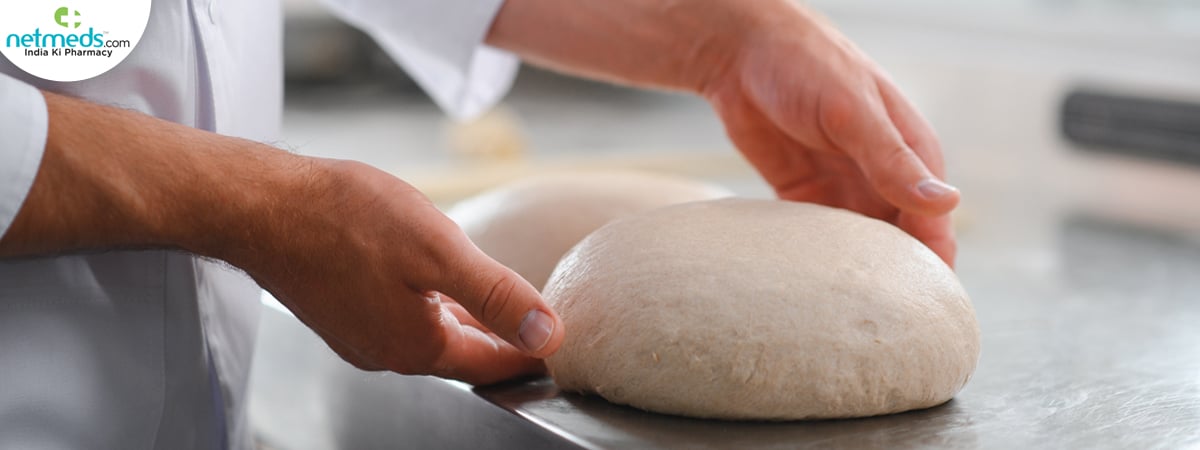
How Long Can Dough Be Safe In The Refrigerator?
Plain wheat dough generally stays good for about 12 to 24 hours when stored in the refrigerator. While dough kneaded with ingredients like milk, curd, or oil has a shorter shelf life, about 12 to 18 hours, because dairy-based mixtures spoil faster.
Pizza, buns or bread dough contains yeast, and when these doughs when refrigerated for about 24 to 48 hours are safe and beneficial, as the slow fermentation process improves flavour and texture.
If you want to store dough for a longer period, freezing is the safest option. Frozen dough can remain usable for one to three months if wrapped well and kept in an airtight box. But regardless of storage method, any dough that has developed a sour smell, changed colour, turned excessively sticky, or shows even tiny mould spots should be discarded immediately.
Also Read: Sourdough Bread: Nutrition, Health Benefits And How To Make It At Home
What Happens To Dough While Stored In The refrigerator?
The refrigerated dough undergoes several changes, though these changes do not show any negative effects immediately, but they do affect the texture, taste and digestibility.
Gluten continues to produce, making the dough tougher and elastic.
Moisture content reallocates, making the dough dry or cracked on the surface.
Important nutrients like vitamin C and folate slowly start to degrade.
Mild fermentation happens, which slowly makes the dough sour and can cause bloating or acidity in some people.
Side Effects of Eating Old or Spoiled Dough
Consuming old or spoiled dough can result in several health issues. Over-fermented dough can cause gas, bloating and acidity as its altered pH impedes digestion.
Dough spoiled with bacteria or mold can stimulate symptoms like vomiting, diarrhoea, abdominal cramps or even fever, indicating food poisoning.
Mould-infected dough can cause allergic reactions like itching, skin rashes or breathing problems, especially in sensitive people.
Because of these potential risks, it is always safer to discard dough that changes in texture or smells rather than taking a chance.
Conclusion
Leftover dough can be safe to use when stored properly and consumed within a shorter time, usually within 12 to 24 hours for plain dough. Fresh dough is always the best and healthiest option, but if leftover dough is refrigerated promptly in an airtight container and shows no signs of spoilage, it can be reused without any concern. However, any dough that smells unusual, looks discoloured, feels overly sticky, or shows mould should be discarded immediately.
References:
https://www.theweek.in/news/health/2025/10/22/fact-check-is-it-safe-to-use-leftover-kneaded-dough.html
https://www.researchgate.net/publication/248485429_Quality_and_safety_characteristics_of_bread_made_from_frozen_dough
 Previous