


Far more than beautifying your living space, indoor plants can do better. In a world where indoor pollution is often overlooked, certain houseplants step in as natural purifiers, absorbing harmful toxins, boosting oxygen levels, and balancing humidity. The result? Fresher, cleaner air that supports healthier lungs and easier breathing. Especially in modern urban homes, these green companions act like living air filters, bringing both vitality and relief to your everyday environment.
Also Read: Chest Infection: Causes, Symptoms, and Treatment
Do Plants Naturally Purify And Protect Your Indoor Air?
While plants won’t replace medication, they can create a more asthma-friendly indoor environment. Here is how certain indoor plants can help with each of these respiratory conditions and why they are beneficial:
Improve Lung Health
They can help reduce allergens, improve breathing, and create a calming indoor atmosphere. Incorporating the right plants into your living space not only supports lung health but also promotes mental relaxation, better sleep, and a healthier lifestyle overall, making your home a natural wellness sanctuary.
Asthma
Asthma is a condition where the airways become inflamed and narrow, making breathing difficult. Indoor plants can help by improving air quality: They absorb pollutants like dust, smoke, and harmful chemicals.
Allergies
Allergies are often triggered by airborne particles like dust, mold, or pollen. Some plants help lower indoor toxins, which can otherwise irritate the immune system. They may also stabilize humidity, preventing overly dry air that worsens allergy symptoms.
Bronchitis
Bronchitis involves inflammation of the bronchial tubes, leading to coughing and mucus buildup. Plants can help by adding moisture to dry air, which soothes irritated airways.
Sinus Congestion
Sinus congestion happens when the nasal passages are blocked or inflamed. Plants naturally increase humidity, which can help loosen mucus. Cleaner air reduces exposure to dust and pollutants that worsen sinus pressure. A fresher environment may help reduce headaches and nasal irritation.
Chronic Obstructive Pulmonary Disease (COPD)
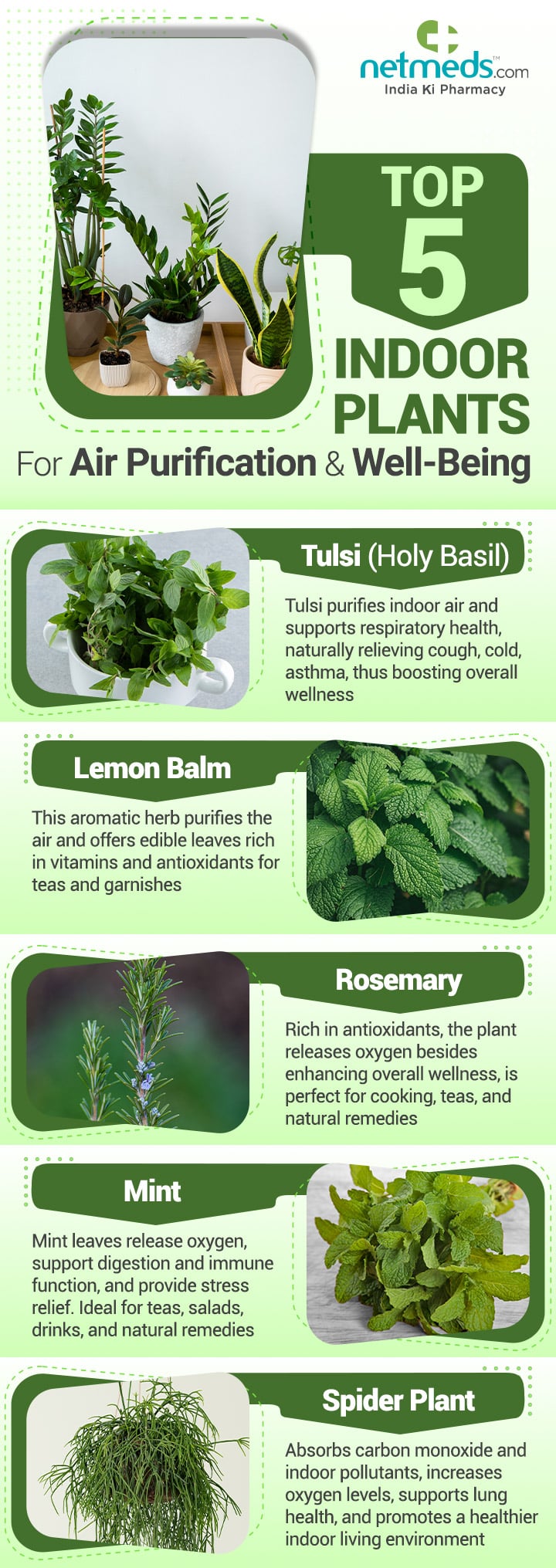
Chronic obstructive pulmonary disease is a long-term condition that makes airflow difficult. They help create a low-pollution environment, which is critical for COPD management. Check the infographic to know more:
References:
An Introduction to Its History, Usage, Regulation, Current Trends, and Research Needs
Sissi Wachtel-Galor and Iris F. F. Benzie.
https://www.ncbi.nlm.nih.gov/books/NBK92773/
https://journals.cambridgemedia.com.au/ajhnm
 Previous


